Luxury Senior Glamping America: Upscale Outdoor Hospitality Analysis
Outdoor hospitality across North America has evolved from rudimentary wilderness camping into a sophisticated sector defined by architectural ingenuity, environmental integration, and specialized accessibility standards. High-end canvas safari tents, glass-domed structures, and restored vintage trailers now inhabit protected wilderness borders. These properties offer immersion in natural landscapes without sacrificing the physical comforts of high-tier hotel accommodations.
Designing wilderness experiences for mature travelers requires balancing environmental immersion with uncompromising physical security and ergonomic support. High-altitude mountain plateaus, desert basins, and coastal forest reserves present distinct physiological challenges, including rapid temperature drops, uneven terrain, and variable oxygen levels. Addressing these factors requires a structural approach to hospitality engineering, site navigation, and emergency logistics.
Superficial tourism descriptions often focus on aesthetic elements like fire pits, thread counts, and organic dining options. However, true operational excellence rests on unglamorous infrastructural frameworks. On-site climate control systems, climate-proof boardwalk connections, zero-step transition thresholds, and rapid medical evacuation protocols form the foundation of safety. Evaluating these backend systems reveals how luxury outdoor properties maintain safety standards while providing genuine connection to wild ecosystems.
Understanding “Luxury Senior Glamping America”
The intersection of high-tier hospitality and senior-focused outdoor travel is often misunderstood. Industry marketing frequently conflates rustic glamping with genuine accessible luxury, creating gaps between guest expectations and physical realities on-site.
Core Architecture and Access Metrics
True luxury outdoor accommodations for mature adults require structural adaptations that preserve independence without compromising the immersive experience:
-
Zero-Threshold Structural Transitions: Flush doorways and wide entryways eliminate tripping hazards between canvas living areas, ensuite bathrooms, and outdoor viewing decks.
-
Climate-Controlled Enclosure Envelope: Integrated HVAC units maintain stable indoor temperatures during extreme desert shifts or sudden mountain weather changes.
-
Topographical Boardwalk Integration: Elevated timber walkways replace loose gravel or mud paths, connecting living units to central dining facilities.
-
Ensuite Sanitary Engineering: Walk-in showers with grab bars, elevated toilets, and instantaneous hot water systems provide private, residential-grade hygiene.
Evaluating Operational Performance
Evaluating properties requires looking past marketing language to examine physical infrastructure, staffing ratios, and emergency readiness.
When evaluating sites for luxury senior glamping america, confirming that physical infrastructure matches high-end service standards guarantees a safe and comfortable stay.
Critical Discrepancies in Glamping Standards
Standard glamping sites rely on shared bathhouses, wood stoves, and crushed stone pathways. Superior properties design every square foot for physical ease and environmental protection.
Path Conditions and Mobility Safety
Unpaved paths pose hazards for guests with joint stiffness or balance concerns. High-standard properties construct illuminated timber boardwalks that accommodate wheelchairs and mobility devices without disrupting natural soil drainage.
Thermal Regulation Infrastructure
Canvas walls conduct ambient cold and absorb summer heat. Premium sites install dual-layer insulated tent skins paired with underfloor radiant heating and ducted cooling systems to ensure year-round climate stability.
Deep Contextual Background
The historical trajectory of North American outdoor recreation reflects shifts in demographic wealth, architectural technology, and wellness philosophy over the past century.
Evolution of Luxury Outdoor Hospitality
Early twentieth-century wilderness retreats catered to wealthy urbanites seeking rural escape through permanent timber lodges.
Technological advances in composite canvas materials, off-grid power generation, and modular building techniques enabled the expansion of canvas-walled luxury suites into remote areas. These developments allow older travelers to experience wilderness environments without enduring physical discomfort.
Demographics and Environmental Demand Shifts
Retiring generations are seeking active, nature-focused travel that bypasses traditional enclosed resorts. High-value outdoor hospitality bridges this gap, offering direct access to national parks and protected forests while providing orthopedically supportive furniture and chef-prepared meals.
Conceptual Frameworks and Mental Models
Systematic property evaluation uses analytical frameworks to measure physical safety, thermal efficiency, and medical accessibility before confirming bookings.
Framework 1: The Physiological Stress Index (PSI)
The PSI model evaluates how environmental conditions affect guest energy levels during outdoor stays.
-
Low-Stress Environments: Flat coastal pine forests featuring ducted heating, level boardwalks, and low altitude preserve energy for daily activities.
-
High-Stress Environments: High-altitude mountain plateaus requiring navigation across loose shale paths in freezing morning temperatures strain physical endurance.
Framework 2: The Structural Accessibility Grid (SAG)
This framework evaluates accommodation safety by reviewing bathroom layout, entrance angles, lighting distribution, and furniture height.
Key Categories or Variations
Options within luxury senior glamping america fall into several distinct architectural styles, each presenting unique trade-offs between environmental immersion and structural support.
Comparison of Glamping Accommodation Models
| Structural Typology | Thermal Insulation | Mobility Index | Bathroom Integration | Terrain Fit |
| Custom Canvas Safari Tents | Moderate | High (with ramps) | Fully Integrated Ensuite | Flat Meadows / Desert |
| Geodesic Glass Domes | Very High | Moderate | Integrated Pods | Rocky Plateaus / Snow |
| Luxury Hardwood Cabins | High | Very High | Full Residential Suite | Forested Hillsides |
| Restored Airstream Fleets | Moderate – High | Low (tight steps) | Compact Built-in | Paved River Valleys |
Custom Canvas Safari Tents
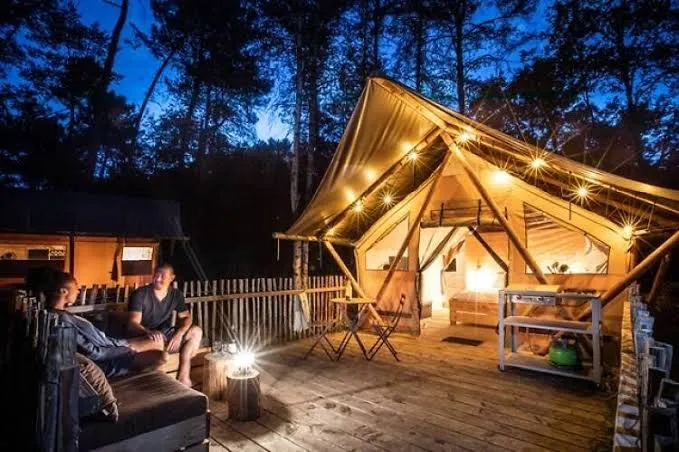
Platform-mounted safari tents offer traditional outdoor character combined with high ceilings and spacious indoor layouts.
Structural Advantages
-
Canvas walls breathe naturally while platform foundations keep living areas elevated above ground moisture and insects.
-
Expansive footprints allow for king-size orthopedic beds, seating areas, and attached bathroom facilities on a single level.
Operational Limitations
-
Strong wind gusts can vibrate structural canvas, creating sound that may disturb light sleepers during midnight storms.
Geodesic Glass Domes
Framed glass or polycarbonate dome structures provide uninhibited view corridors while delivering robust thermal performance.
Structural Advantages
-
Rigorous climate insulation keeps interiors comfortable during extreme winter freezes or desert heat waves.
-
Panoramic windows provide views of night skies and surrounding topography from climate-controlled interiors.
Operational Limitations
-
Curved interior walls reduce usable perimeter space, requiring specialized furniture layouts and step-up bathroom access pods.
Detailed Real-World Scenarios
Reviewing realistic operational scenarios illustrates how property selection, climate factors, and mobility planning affect the guest experience.
Scenario A: A Seven-Day Desert Oasis Retreat in Southern Utah
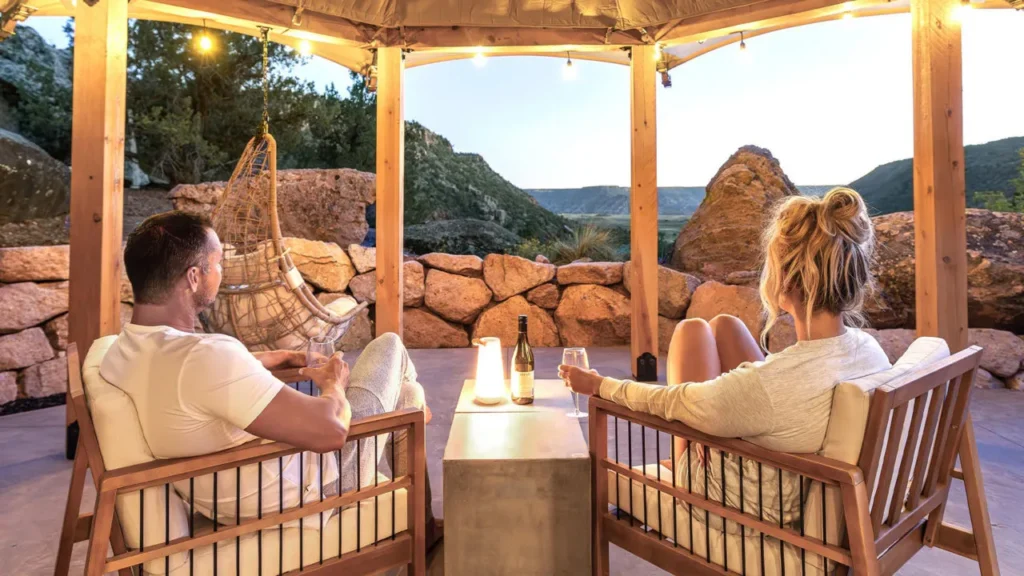
A couple in their early seventies books a canvas suite near Red Rock canyons to explore desert ecosystems without risking heat exhaustion.
-
Operational Need: Experiencing desert canyon views while managing heat sensitivity and nocturnal temperature drops.
-
Critical Risk: Navigating soft sand paths in darkness increases trip risks, while inadequate daytime cooling causes dehydration.
-
Strategic Choice: Booking a property with insulated canvas suites, continuous timber boardwalks, and active climate management.
Scenario B: Autumn Forest Exploration Along the Maine Coast
A guest recovering from joint replacement surgery plans a coastal woodland retreat during peak fall foliage.
Operational Review
-
High coastal humidity and chilly autumn evenings require consistent underfloor heating and steam-free bathroom facilities.
-
Smooth timber ramps connecting tent platforms to coastal viewing decks ensure safe transit without joint strain.
Strategic Plan
-
Reserving a hard-floored timber frame tent equipped with an accessible roll-in shower and zero-threshold entry ramp.
-
Scheduling private golf cart transfers for trips between the tent enclosure and the main lodge dining hall.
Planning, Cost, and Resource Dynamics
Budgeting for luxury wilderness stays involves evaluating nightly accommodation rates, private transfer fees, guided excursion costs, and tailored meal plans.
Financial Requirements for High-Tier Wilderness Stays
| Expense Category | Desert Resort (5 Nights) | Mountain Safari (7 Nights) | Budget Optimization Approach |
| Accommodations | $3,500 – $6,500 | $7,000 – $14,000 | Book shoulder-season weeks early |
| Private Transit | $400 – $900 | $800 – $1,800 | Coordinate regional airport shuttles |
| Guided Excursions | $800 – $1,600 | $1,500 – $3,500 | Select group eco-tours over private |
| On-Site Dining | Included in Base | $1,200 – $2,500 | Verify fully inclusive meal packages |
Structural Site Verification Parameters
Inspecting floor layouts, pathway lighting, power generation stability, and emergency communication coverage prevents surprises upon arrival.
Auditing these factors ensures that selected sites for luxury senior glamping america deliver both physical comfort and operational reliability.
Tools, Strategies, and Support Systems
Modern luxury glamping resorts utilize advanced infrastructure and guest services to maintain high safety standards in remote locations.
Essential On-Site Support Systems
-
Electric All-Terrain Transport Carts: Silent, low-speed carts available around the clock to transport guests between suites and communal spaces.
-
Satellite Medical Communication: Direct voice links to regional medical centers for immediate triage assistance in off-grid locations.
-
Ergonomic Furnishing Systems: Custom-built furniture featuring orthopedic seat heights and supportive armrests to ease standing transitions.
-
Automated Environmental Controls: Smart thermostat networks that automatically adjust room heating or cooling before ambient outdoor drops occur.
Risk Landscape and Failure Modes
Remote wilderness locations present inherent environmental risks that require proactive mitigation strategies and property oversight.
Uncontrolled temperature swings represent a primary hazard. High-end resorts mitigate this risk through dual backup power systems that maintain heating and cooling during regional grid failures.
Navigational hazards are minimized by keeping pathways clear of debris and maintaining continuous low-level safety lighting throughout the grounds.
Governance, Maintenance, and Long-Term Adaptation
Properties catering to mature guests must continually update structural features, safety protocols, and staff training standards.
Infrastructure Evolution Phases
Conducting seasonal audits allows site managers to upgrade facilities and maintain smooth, safe operational standards year-round.
Measurement, Tracking, and Evaluation
Evaluating guest comfort and safety involves monitoring key performance metrics across all hospitality operations.
Key Operational Metrics for High-End Sites
-
Thermal Consistency Index: Tracking interior room temperature stability against outdoor weather shifts to ensure HVAC efficiency.
-
Pathway Safety Index: Monitoring pathway maintenance frequency and illumination levels to reduce trip risks.
-
Response Time Metrics: Measuring staff arrival times when guests request transportation or assistance from remote tent locations.
Common Misconceptions and Oversimplifications
Dispel popular myths regarding luxury outdoor travel helps guests make informed decisions when selecting wilderness destinations.
-
Myth: All glamping tents provide equal protection from wild weather.
Fact: Single-layer basic tents offer minimal insulation against wind and cold, while custom safari suites utilize multi-layer engineered fabrics.
-
Myth: Remote glamping properties cannot accommodate specific mobility needs.
Fact: High-tier luxury properties design built-in timber boardwalks, custom ramps, and zero-threshold roll-in showers.
-
Myth: Roughing it is an inherent part of any canvas-walled tent stay.
Fact: Premium sites offer residential-grade mattresses, fine linens, flush toilets, and continuous hot water systems.
Ethical, Practical, or Contextual Considerations
Developing luxury accommodations within delicate wilderness ecosystems requires balancing guest comfort with environmental preservation. Sustainable site design uses low-impact helical pile foundations, solar energy arrays, and greywater recycling systems to protect local fauna and terrain.
When properties honor environmental stewardship while prioritizing physical accessibility, guests enjoy authentic wilderness immersion supported by high safety standards.
Conclusion
Evaluating options across North America requires examining structural integrity, climate control systems, path safety, and emergency protocols. Selecting properties built with robust boardwalks, continuous climate systems, and high service standards allows travelers to experience protected wild landscapes with peace of mind.