Top Senior Tours in America: Comprehensive Itinerary Guide
Organized group travel for mature demographics represents a complex balance between physical accessibility, cultural depth, and logistical support. Evaluating travel packages requires looking beyond promotional itineraries to examine actual daily movement schedules.
Modern senior travel spans various formats, from small-group educational journeys to fully catered coastal cruises. Selecting an appropriate package depends heavily on individual physical endurance, medical needs, and travel preferences.
Proper planning requires a careful assessment of transit logistics, accommodation accessibility, emergency health support, and daily activity density. Overlooking these operational factors can turn a promising vacation into an exhausting ordeal.
This comprehensive guide breaks down the core categories, planning models, risk factors, and evaluation metrics that define high-quality group travel across North America.
top senior tours in america
Operational Infrastructure of Group Travel
Evaluating group travel options requires examining the operational systems that support aging travelers. High-performing operators build itineraries around four foundational components: structured pacing, physical accessibility, luggage assistance, and medical contingency planning.
Core Metrics of Quality Operator Design
Reputable travel providers distinguish themselves through specific operational standards:
-
Daily Activity Pacing: Limiting active walking windows to manageable blocks separated by structured rest periods.
-
Transit Duration Limits: Keeping continuous coach transfers under two hours to reduce physical stiffness and circulatory fatigue.
-
Luggage Management: Providing full door-to-door porterage services to minimize heavy lifting for travelers.
-
Tour Director Ratios: Maintaining low participant-to-guide ratios to ensure personalized attention and safety oversight.
Subheading: Pitfalls of Generic Itinerary Marketing
Promotional travel brochures frequently misrepresent physical demands by describing excursions with vague marketing terms. Unclear activity descriptors often mask steep stair climbs, prolonged standing, or rapid transfers.
Evaluating top senior tours in america requires reviewing physical rating systems rather than relying on glossy photos. Reliable operators provide exact walking distances, terrain descriptions, and daily step counts for every scheduled activity.
Deep Contextual Background

Historical Evolution of Organized Senior Travel
Group travel for older adults has shifted significantly over the past half-century. Early offerings relied almost exclusively on high-density motorcoach trips with rigid, fast-paced itineraries.
Transition to Experiential and Adaptive Travel
Modern travelers prioritize cultural immersion, educational lectures, and culinary experiences over passive sightseeing. Group travel operators have responded by introducing smaller group sizes and flexible daily schedules.
Subheading: Impact of Modern Travel Accessibility Standards
Federal accessibility guidelines have transformed transport fleets, hotel accommodations, and public attractions. Modern coaches feature kneeling mechanisms and lift systems, making group travel accessible to individuals with varying mobility needs.
Conceptual Frameworks and Mental Models
Applying structured analytical models helps travelers select appropriate tour packages based on physical capabilities and logistical needs.
1. The Daily Effort Matrix
This model evaluates tour itineraries by balancing daily walking distances against schedule density.
2. The Transit Friction Model
This framework measures the physical energy lost during transfers between hotels, vehicles, and attractions. Packages requiring frequent single-night hotel stays create higher physical strain than multi-night hub-and-spoke itineraries.
Subheading: Evaluating Hub-and-Spoke Efficiency
Hub-and-spoke itineraries operate from a single central hotel, using daily radial trips to explore surrounding sites. This approach eliminates daily packing and reduces physical exhaustion for participants.
Key Categories and Operational Variations
Senior Tour Category Profiles
Group travel programs fall into several distinct operational categories, each offering different trade-offs in pacing, luxury, and physical demand.
-
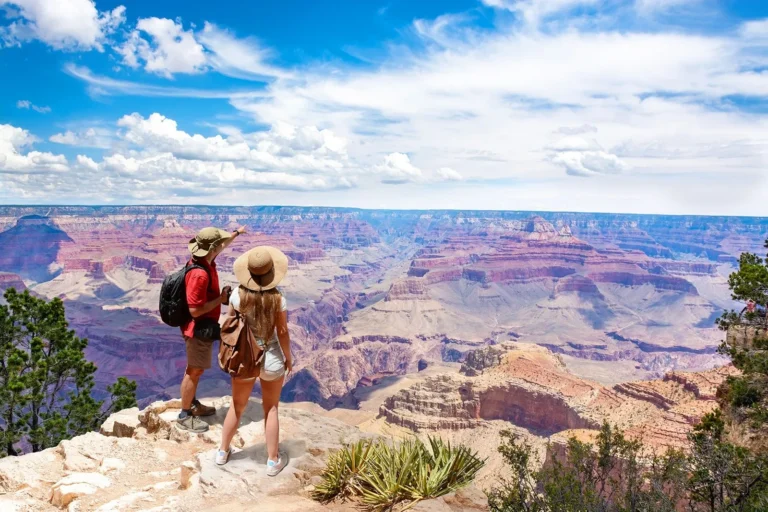
National Park Coach Circuits: Structured overland tours focusing on scenic landscapes and natural monuments. Excellent scenic value, though long drive times between park lodges require physical endurance.
-
Inland Waterway River Cruises: Slow-paced journeys along major American rivers aboard paddlewheel or modern vessel ships. Cabins serve as floating hotels, minimizing hotel transfers.
-
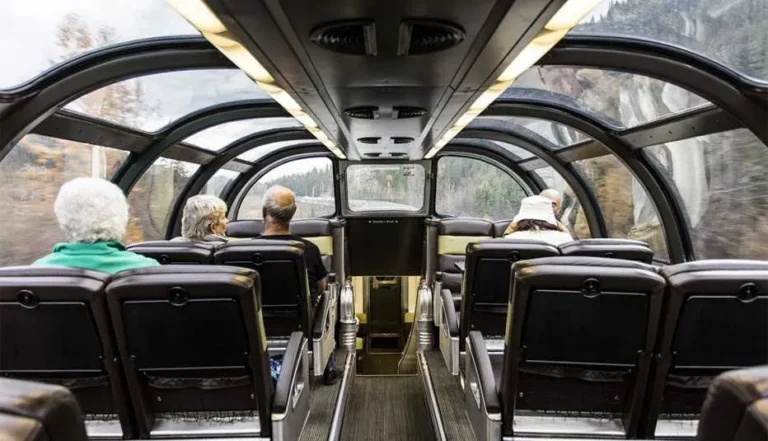
Scenic Rail Journeys: Rail-based routes passing through mountain corridors and remote countryside. Passengers enjoy panoramic views, though train car movement can present stability challenges.
-
Educational Cultural Tours: Programmed itineraries centered on historical lectures, museum visits, and arts performance. These programs offer rich content, though museum tours require long periods of standing.
-
Regional Culinary & Heritage Routes: Small-group trips exploring localized food, wine, and craft traditions. Group sizes remain small, though walking along historic urban streets can present terrain challenges.
-
Inter-Island Coastal Cruises: Small-ship maritime voyages exploring coastal bays and historical ports. These routes offer intimate access, though small vessel motion may affect sensitive travelers.
Travel Category Comparison Table
| Category | Physical Pacing | Luggage Friction | Medical Proximity | Transit Type |
| National Park Coach | Moderate to High | Low (Porterage Included) | Variable (Remote Parks) | Highway Motorcoach |
| River Cruises | Low (Relaxed) | Minimal (Unpack Once) | High (River Towns) | Riverboat Vessel |
| Scenic Rail | Low to Moderate | Low (Luggage Transferred) | Moderate (Rail Corridors) | Passenger Train |
| Educational Tours | Moderate (Standing) | Moderate (Multiple Hotels) | High (Urban Centers) | City Coach & Walking |
Subheading: Decision Logic Protocols
Choosing among top senior tours in america involves evaluating transit modes and accommodation structures.
Selecting river cruises or hub-and-spoke rail trips reduces daily packing strain, while overland coach tours offer access to remote natural sites.
Detailed Real-World Scenarios
Scenario 1: Navigating National Parks with Limited Mobility
-
Context: A traveler with osteoarthritis joins a canyon national park motorcoach tour.
-
Constraints: Cannot walk distances exceeding 500 yards without resting; uses a foldable cane.
-
Decision Mechanics: The tour director provides alternative accessible overlook locations while the main group completes longer trails.
-
Outcome: The traveler enjoys scenic views without exceeding physical endurance limits.
Scenario 2: Managing Dietary Needs on a Riverboat Cruise
-
Context: A passenger with strict low-sodium dietary requirements embarks on a Mississippi River voyage.
-
Constraints: Requires specialized menu preparations for all daily meals.
-
Decision Mechanics: The hotel manager coordinates directly with the galley chef prior to departure to establish custom daily meal options.
-
Mitigation: Pre-planned culinary arrangements prevent dietary complications during the trip.
Subheading: Managing Sudden Medical Delays
-
Context: A participant experiences severe dehydration during a summer tour of historical monuments.
-
Constraints: The tour schedule requires traveling to a different city the following morning.
-
Decision Mechanics: The tour director coordinates with local urgent care personnel and arranges private ground transit to reconnect the traveler with the group later.
-
Second-Order Effects: Clear emergency protocols prevent tour disruptions while ensuring proper medical care for the guest.
Planning, Cost, and Resource Dynamics
Financial Models and Expense Structures
Pricing for organized travel packages varies widely based on group size, accommodation quality, and included amenities.
| Tour Class | Daily Cost Range | Included Features | Common Extra Costs |
| Standard Motorcoach | $250 – $400 | Lodging, coach transit, basic breakfast | Optional excursions, driver gratuities |
| Premium Educational | $450 – $750 | Small group size, lectures, most meals | Single room supplements, airfare |
| Luxury River Cruise | $600 – $1,200+ | All-inclusive dining, excursions, stateroom | Premium wines, specialized spa services |
Subheading: Single Supplement Dynamics and Hidden Fees
Single travelers often face single supplement charges ranging from 20% to 80% above double-occupancy rates. Some operators offer roommate-matching programs to help solo guests avoid these additional fees.
Tools, Strategies, and Support Systems
Deploying targeted planning resources helps ensure a comfortable and secure group travel experience:
-
Activity Level Rating Charts: Standardized scales used by travel operators to categorize physical demands across itineraries.
-
Medical Evacuation Subscriptions: Specialty travel insurance programs covering air transport during medical emergencies.
-
Foldable Mobility Aids: Compact, lightweight transport chairs designed for easy storage on tour coaches.
-
Pre-Departure Luggage Shipping: Services that ship heavy bags directly from home to the initial tour hotel.
-
Quiet-Sound Audio Receivers: Wireless earpieces that allow guests to hear guide commentary clearly without standing close.
-
Specialized Dietary Questionnaires: Detailed forms submitted weeks before departure to confirm culinary accommodations.
Risk Landscape and Failure Modes
Subheading: Preventing Compounding Exhaustion
Minor delays, hot weather, and packed schedules can quickly lead to physical exhaustion for older travelers. High-quality operators prevent compounding fatigue by including mandatory rest days on longer itineraries.
Governance, Maintenance, and Long-Term Adaptation
Evaluating travel options on an ongoing basis ensures itineraries match changing physical capabilities over time.
Pre-Booking Assessment Checklist
-
Verify Activity Ratings: Confirm walking requirements and stair counts match physical abilities.
-
Review Accommodation Styles: Ensure hotels offer elevator access and accessible bathroom setups.
-
Confirm Medical Coverage: Check that travel insurance policies include emergency evacuation provisions.
-
Audit Daily Drive Times: Ensure continuous motorcoach segments remain under two hours.
Measurement, Tracking, and Evaluation
Using clear metrics helps travelers select operators that deliver safe, comfortable experiences.
Subheading: Essential Travel Documents
-
Detailed Medical Profiles: Clear records listing ongoing health conditions, primary care contacts, and current medications.
-
Travel Insurance Policy Cards: Physical cards containing policy numbers and 24-hour emergency assistance hotline numbers.
-
Confirmed Accommodation Lists: Hotel contact lists shared with family members prior to departure.
Common Misconceptions and Oversimplifications
1. “Senior Tours Are Exclusively for Individuals with Limited Mobility”
Reality: Many senior tours feature active itineraries like alpine walks and sea kayaking, categorized by distinct activity levels.
2. “All Motorcoach Trips Require Exhausting Physical Travel”
Reality: Premium operators use luxury coaches equipped with comfortable seating, climate controls, and regular rest breaks.
3. “River Cruises Guarantee Complete Immunity from Motion Sickness”
Reality: River vessels remain very stable, though passage through river locks or open bays can occasionally cause mild motion.
4. “Group Travel Eliminates Personal Freedom and Free Time”
Reality: High-quality itineraries balance guided excursions with unstructured free time for independent exploration.
5. “Travel Insurance Is Unnecessary for Domestic USA Tours”
Reality: Standard health insurance policies often limit coverage across state lines or exclude emergency medical evacuation.
Ethical, Practical, and Contextual Considerations
Choosing tour operators that respect local environmental resources and support regional communities promotes sustainable tourism practices. Responsible group travel minimizes environmental impacts while supporting local historical preservation projects.
Conclusion
Selecting an ideal group travel package requires balancing physical accessibility, travel pacing, and personal interests. Evaluating top senior tours in america through clear operational frameworks helps travelers select itineraries that deliver memorable, stress-free experiences. Proper planning ensures every journey remains safe, comfortable, and deeply rewarding.