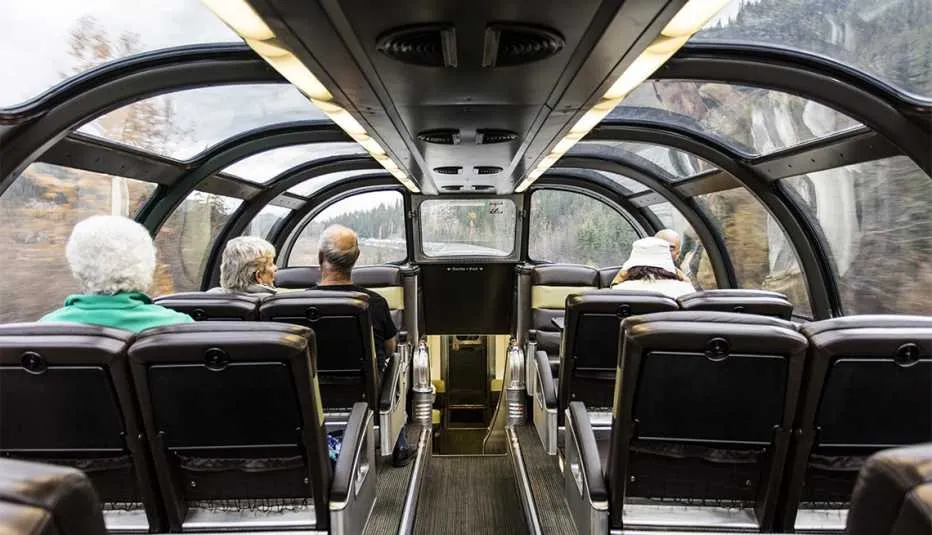
Top Senior Train Trips in America: Strategic Route Analysis & Travel Logistics
Long-distance passenger rail travel across North America represents a distinct intersection of geography, engineering history, and specialized logistical management. For mature travelers, long-haul rail journeys offer a comfortable alternative to highway driving and commercial aviation. Passenger trains combine spacious onboard movement, expansive continental scenery, and central downtown arrival points.
However, the North American passenger rail ecosystem operates under unique infrastructure constraints and operational realities. Unlike European high-speed rail corridors, American passenger routes share tracks with heavy freight traffic across thousands of miles. Freight train interference, dispatching delays, seasonal weather disruptions, and varied equipment layouts create a complex environment. Managing these operational variables requires deliberate pre-trip analysis and logistical foresight.
Evaluating passenger rail options requires examining route architecture, sleeper cabin configurations, onboard medical realities, and station accessibility standards. Understanding equipment choices, dispatch dynamics, and itinerary planning strategies enables travelers to minimize physical fatigue, prevent scheduling disruptions, and maximize overall trip quality across the nation’s passenger rail network.
Understanding Top Senior Train Trips in America
Evaluating long-distance rail itineraries requires looking past romantic marketing imagery to analyze actual operational conditions. Passenger rail systems across the United States feature distinct route characteristics, equipment types, and physical demands that influence the onboard experience.
Operational Components of Long-Distance Rail
A successful long-distance rail trip relies on several interconnected operational elements that shape daily comfort, physical mobility, and schedule reliability:
-
Equipment Configuration: Navigating bi-level Superliner cars versus single-level Viewliner equipment dictates stairs, door clearances, and cabin layouts.
-
Sleeper Class Accommodations: Roomette configurations versus full Bedrooms determine in-room toilet access, sink availability, and night berth accessibility.
-
Route Dispatch Dynamics: Amtrak trains operate over host freight tracks owned by Class I railroads, directly impacting schedule precision.
-
Station Infrastructure: Platform heights, wheelchair lift mechanics, red cap porter services, and lounge access amenities vary significantly across regional hubs.
Physical Comfort and Spatial Dynamics
Physical ease on a long-haul train trip depends heavily on equipment selection. Bi-level Superliner cars used on western routes feature steep interior staircases connecting upper dining levels with lower boarding areas.
When evaluating top senior train trips in america, selecting ground-level accessible bedrooms or single-level routes reduces stair navigation while preserving full access to dining services.
Service Expectations vs. Dispatch Realities
Long-distance passenger trains traverse vast geographical stretches prone to extreme weather, signal failures, and freight congestion. Recognizing that arrival times represent estimates rather than guarantees allows travelers to build realistic travel buffers.
Deep Contextual Background
The American passenger rail system underwent radical restructuring during the mid-twentieth century, fundamentally shaping modern route structures, equipment designs, and corridor dispatching rules.
Historical Evolution of U.S. Passenger Rail
Prior to 1970, private railroad companies operated luxury passenger trains like the 20th Century Limited and Super Chief. Declining mail revenues and rising interstate highway competition caused severe passenger rail deficits.
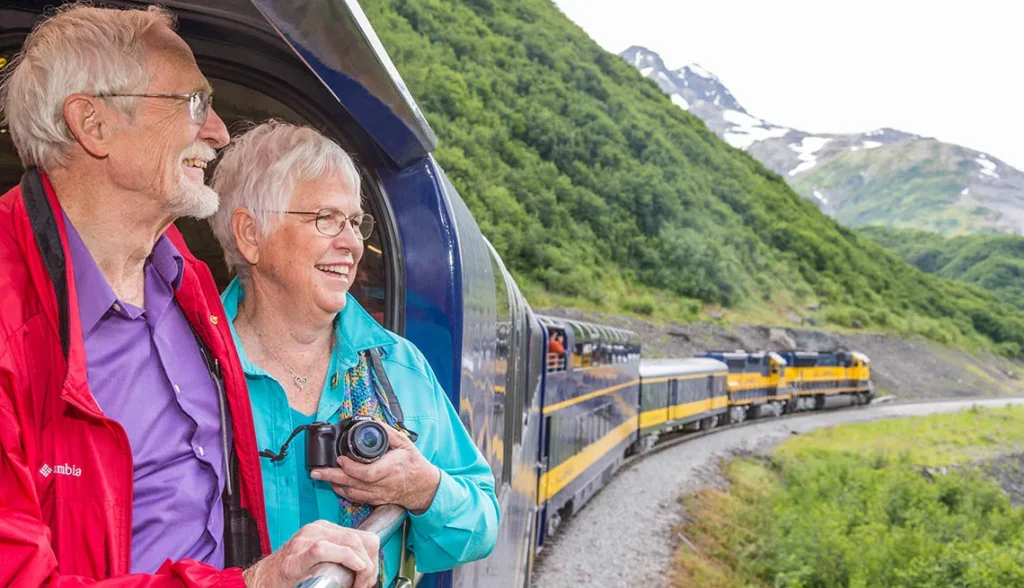
The Rail Passenger Service Act of 1970 created Amtrak, nationalizing passenger rail operations in 1971. This consolidation preserved historic long-distance routes while shifting operational priority to private host freight carriers.
Host Railroad Rights and Infrastructure Controls
Unlike nationalized European rail systems, Amtrak owns less than three percent of the tracks it operates on, primarily along the Northeast Corridor. Outside this eastern segment, passenger trains operate on private freight lines, making dispatching delays a major variable on cross-country journeys.
Conceptual Frameworks and Mental Models
Systematic rail planning relies on clear analytical frameworks that evaluate route fatigue, medical accessibility, and financial value before booking long-distance journeys.
Framework 1: The Cumulative Rail Motion Index (CRMI)
The CRMI model calculates total physical strain based on route duration, track quality, and equipment swaying dynamics.
-
High CRMI Rating: Extended 48-hour transcontinental routes on bi-level Superliner equipment requiring frequent upper-deck dining room visits.
-
Optimal CRMI Rating: Single-level 12-to-24-hour daytime or overnight corridor journeys featuring level boarding and flat interiors.
Framework 2: The Medical Emergency Proximity Scale (MEPS)
This framework measures health safety by evaluating distance to medical trauma centers along isolated rail lines.
Key Categories and Route Variations
Selecting an American rail journey requires evaluating regional scenery, climate variables, equipment types, and overall physical demands across major passenger routes.
Comparison of Premier Senior Rail Corridors
| Rail Route / Corridor | Equipment Type | Primary Scenic Highlight | Onboard Dining Structure | Delay Sensitivity |
| Empire Builder | Bi-Level Superliner | Glacier National Park | Traditional Dining Car | Moderate to High |
| Coast Starlight | Bi-Level Superliner | Pacific Ocean Coastline | Traditional Dining Car | Moderate |
| California Zephyr | Bi-Level Superliner | Sierra Nevada & Rockies | Traditional Dining Car | High (Mountain Freight) |
| Lake Shore Limited | Single-Level Viewliner | Hudson River Valley | Flexible Dining Service | Low to Moderate |
Western Mountain and Desert Corridors
Routes like the California Zephyr and Empire Builder cross magnificent mountain passes and river canyons, offering unmatched scenic views from upper-deck observation cars.
Western Route Strengths
-
Unmatched views of remote mountain ranges, deep river canyons, and national parks.
-
Full traditional dining car service featuring multi-course hot meals cooked onboard.
Western Route Challenges
-
Bi-level equipment requires navigating narrow stairways between levels.
-
Long single-track segments over mountain passes introduce significant dispatch delays.
Eastern River and Coastal Corridors
Single-level routes like the Silver Meteor and Lake Shore Limited run through eastern states, offering flat level-deck boarding from high platforms.
Eastern Corridor Strengths
-
Single-level Viewliner cars eliminate internal staircases entirely.
-
Dense urban station spacing ensures fast access to medical facilities along the route.
Eastern Corridor Challenges
-
In-cabin space is tighter compared to bi-level western accommodations.
-
Scenic views feature rolling countryside rather than dramatic mountain peaks.
Detailed Real-World Scenarios
Analyzing real-world scenarios highlights how cabin choices, connection windows, and mobility support interact during transcontinental rail journeys.
Scenario A: Managing Multi-Train Transcontinental Connections
A retired couple plans a rail journey from New York to San Francisco with a transfer in Chicago.
-
Operational Need: Ensuring enough time in Chicago to make a stress-free connection between eastern and western trains.
-
Critical Risk: A tight 60-minute transfer window risks a missed connection if the eastern train runs late.
-
Mitigation Strategy: Booking a five-hour layover in Chicago, utilizing the station’s private Metropolitan Lounge for quiet rest.
Scenario B: Addressing Mobility Needs on a Western Route
An older traveler with knee joint pain wants to experience the Rocky Mountains via train.
Operational Assessment
-
Navigating upper-deck dining rooms on bi-level cars presents severe physical strain and fall risks.
-
Standard roomettes require climbing into narrow upper berths or stepping over high thresholds.
Strategic Solution
-
Booking a lower-level Accessible Bedroom featuring a private step-free bathroom and handrails.
-
Requesting room-service meal delivery directly to the cabin, eliminating the need to climb stairs.
Planning, Cost, and Resource Dynamics
Budgeting for long-distance rail travel requires comparing sleeper class fares, pre-trip hotel stays, meal costs, and travel insurance coverage.
Financial Structure of Long-Distance Rail Travel
| Expenses Category | Cost Range (Per Person) | Included Amenities | Budget Optimization Strategy |
| Roomette Accommodation | $400 – $1,200 | Private room, meals included, lounge access | Book 3–6 months ahead for low tier fares |
| Full Bedroom Suite | $800 – $2,500 | In-room shower/toilet, sofa, meals included | Ideal for passengers needing private facilities |
| Connecting Hotel Stays | $150 – $350 / night | Overnight sleep, station transfer buffer | Use downtown hotel links near stations |
| Travel Insurance Plan | 6% – 10% of trip total | Delay coverage, trip interruption, health | Ensure missed connection coverage exists |
Managing Unexpected Disruption Expenses
Travelers exploring top senior train trips in america should account for potential indirect costs during extended trips. Common budget risks include:
-
Unplanned Hotel Stays: Missed connections requiring an overnight stay in gateway cities.
-
In-Station Porter Gratuities: Cash tips for Red Cap porters providing luggage and cart support.
-
Onboard Dietary Enhancements: Purchasing specialized snacks or bottled drinks at cafe cars.
Tools, Strategies, and Support Systems
Utilizing specialized planning tools and support networks helps travelers manage baggage, verify station accessibility, and track train locations in real time.
Essential Rail Planning Tools
-
Amtrak Status Tracking Apps: Real-time GPS mapping applications displaying current train locations, speed, and delay estimates.
-
Station Accessibility Guides: Official directories detailing platform designs, elevator locations, and wheel-chair lift equipment.
-
Red Cap Assistance Services: Uniformed station porters offering priority boarding, golf cart transport, and luggage handling.
-
Independent Rail Advisory Services: Specialized travel agencies focused on booking sleeper cabins and complex rail itineraries.
Risk Landscape and Failure Modes
Long-distance rail travel presents specific operational challenges that require careful preparation.
Freight track congestion represents a primary delay factor. When freight trains take priority on single-track lines, passenger trains must wait in sidings, leading to cascading delays.
Onboard mechanical issues represent another operational risk. Extreme heat or cold can affect HVAC systems or plumbing in older railcars, underscoring the value of packing extra layers and water.
Governance, Maintenance, and Long-Term Adaptation
Adapting travel habits to match changing physical needs ensures mature adults can continue enjoying rail travel comfortably.
Long-Term Rail Travel Adaptation Path
Evaluating physical fatigue after each trip helps travelers make smart adjustments. Shifting toward daytime regional trips or booking lower-level accessible bedrooms maintains comfort and peace of mind.
Measurement, Tracking, and Evaluation
Monitoring personal comfort and route reliability metrics helps refine future rail itineraries.
Key Evaluation Criteria
-
Physical Fatigue Score: Rating bodily comfort after sleeping in train berths to evaluate cabin choices.
-
On-Time Performance Ratio: Tracking delay patterns on specific routes to choose realistic connection windows.
-
Station Transfer Smoothness: Evaluating baggage handling and porter support at transfer stations.
Common Misconceptions and Oversimplifications
Clearing up common rail travel myths helps passengers form accurate expectations before booking.
-
Myth: Passenger trains always have priority over freight trains on American tracks.
Fact: While federal law mandates passenger priority, freight railroads frequently delay passenger trains on single-track lines.
-
Myth: All sleeper cabins include private in-room toilets and showers.
Fact: Standard Roomettes use shared restrooms located nearby in the car, while larger Bedrooms feature private facilities.
-
Myth: Train travel eliminates all walking and physical effort.
Fact: Navigating moving train corridors, steep car stairs, and long station platforms requires steady balance and stamina.
Ethical, Practical, and Contextual Considerations
Choosing rail travel over regional flights or long highway drives significantly lowers carbon emissions per passenger-mile, supporting eco-friendly travel goals.
Additionally, passenger rail service provides vital transportation links to rural communities, helping maintain historical station depots and supporting local economies across inland America.
Conclusion
Exploring America by rail offers mature travelers an engaging way to experience the nation’s diverse landscapes and historic towns. Understanding equipment layouts, booking appropriate sleeper cabins, and building generous transfer buffers prevents minor delays from disrupting travel plans.