Best National Parks for Seniors United States: Comprehensive Access & Route Analysis
Best National Parks for Seniors United States. Visiting federal parklands across North America requires evaluating infrastructure quality, geographical elevation, and specialized health logistics. For older travelers, national parks provide unmatched access to iconic landscapes, pristine wilderness areas, and rich historic sites. However, exploring these protected public spaces demands careful pre-trip analysis and strategic itinerary design.
Modern park infrastructure varies dramatically across the National Park Service network. While iconic parks feature accessible paved boardwalks, smooth scenic drives, and modern visitor centers, remote wilderness reserves offer minimal physical accommodations. Furthermore, environmental variables such as steep elevation changes, extreme desert heat, and isolated mountain roads introduce distinct operational challenges. Managing these factors allows travelers to explore wilderness areas safely without physical overexertion.
Determining suitable park destinations involves examining trail surface conditions, shuttle bus systems, gateway community medical services, and seasonal climate patterns. Understanding infrastructure layouts, altitude impacts, and lodging logistics enables older adults to maximize comfort while experiencing North America’s legendary natural treasures.
Understanding Best National Parks for Seniors United States
Evaluating national parks for mature travelers requires looking past promotional photography to analyze ground-level accessibility realities. Federal parklands feature diverse topography, varying infrastructure ages, and distinct physical demands that shape the visitor experience.
Core Accessibility Infrastructure Elements
A park’s suitability depends heavily on several interconnected infrastructure components that directly impact daily mobility and comfort:
-
Paved Trail Networks: Boardwalks and paved paths featuring gentle gradients allow easy walking or wheelchair navigation near major scenic sites.
-
Scenic Byways and Overlooks: Paved road corridors with frequent roadside turnouts offer spectacular views directly from vehicles.
-
Transit and Shuttle Fleet Design: Low-floor shuttle buses equipped with wheelchair ramps facilitate easy movement across park valleys.
-
Visitor Center Accommodations: Climate-controlled facilities providing accessible restrooms, educational exhibits, and ranger assistance.
Physical Demands and Environmental Factors
Physical comfort depends on matching personal mobility levels with specific park terrain characteristics. High-altitude parks introduce cardiovascular strain, while desert preserves present extreme heat challenges.
When evaluating the best national parks for seniors united states, selecting destinations with well-maintained boardwalks and lower elevations significantly reduces physical fatigue.
Infrastructure Variability Across Parks
Older parks established in the nineteenth century often feature historic stone staircases and uneven masonry pathways. Conversely, parks updated after the passage of the Americans with Disabilities Act offer modern ramp networks and smooth paved overlooks.
Deep Contextual Background
The development of national park infrastructure reflects shifting federal priorities regarding public access, wilderness preservation, and recreational engineering over the past century.
Evolution of Park Access Engineering
Early park development focused on scenic roadways designed for private automobiles, culminating in historic construction projects like Shenandoah’s Skyline Drive and Glacier’s Going-to-the-Sun Road.
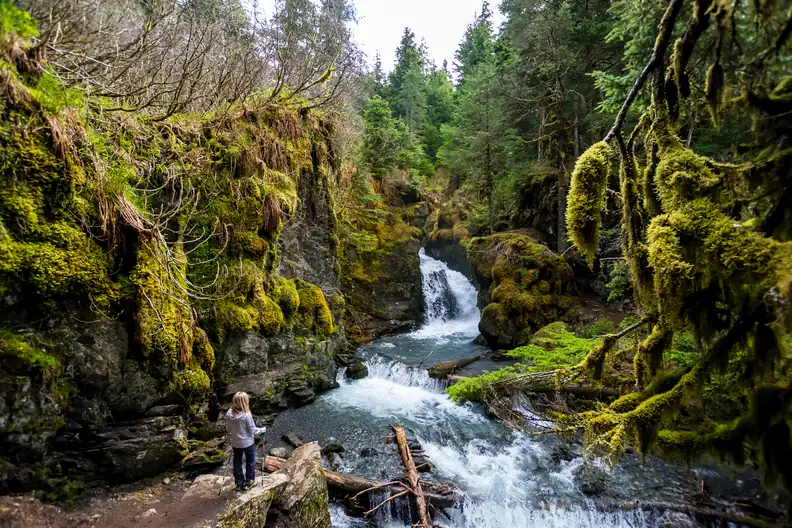
Subsequent federal initiatives integrated accessible design standards across major visitor corridors, ensuring step-free access to thermal features, canyon views, and ancient forest groves.
Impact of the Senior Pass System
The introduction of the America the Beautiful Senior Pass revolutionized park visitation for older adults. Providing lifetime access to federal recreation sites, this program encourages off-peak travel and multi-park road itineraries across regional corridors.
Conceptual Frameworks and Mental Models
Systematic park selection relies on clear analytical models that balance physical accessibility, altitude risks, and gateway medical proximity before booking long-distance trips.
Framework 1: The Mobility-to-Terrain Match Model (MTMM)
The MTMM model calculates physical effort by evaluating trail surface firmness, slope gradient, and resting bench frequency.
-
Optimal MTMM Rating: Flat boardwalks featuring frequent shaded benches and smooth paved surfaces.
-
High-Strain MTMM Rating: Unpaved gravel paths featuring steep inclines, loose rocks, and rare seating options.
Framework 2: The Gateway Medical Proximity Index (GMPI)
This framework measures health safety by calculating emergency transit time from park interiors to regional medical centers.
Key Categories or Variations
Selecting a national park destination requires evaluating geography, climate, elevation, and infrastructure layout across major federal parklands.
Comparison of Premier Senior-Friendly National Parks
| National Park | Elevation Range | Key Scenic Asset | Shuttle Accessibility | Gateway Medical Access |
| Yellowstone | 6,000 – 8,000 ft | Thermal Geysers & Wildlife | Accessible Boardwalks | On-site seasonal clinics |
| Shenandoah | 1,000 – 4,000 ft | Skyline Drive Overlooks | Private Vehicle Focused | Rapid access to town centers |
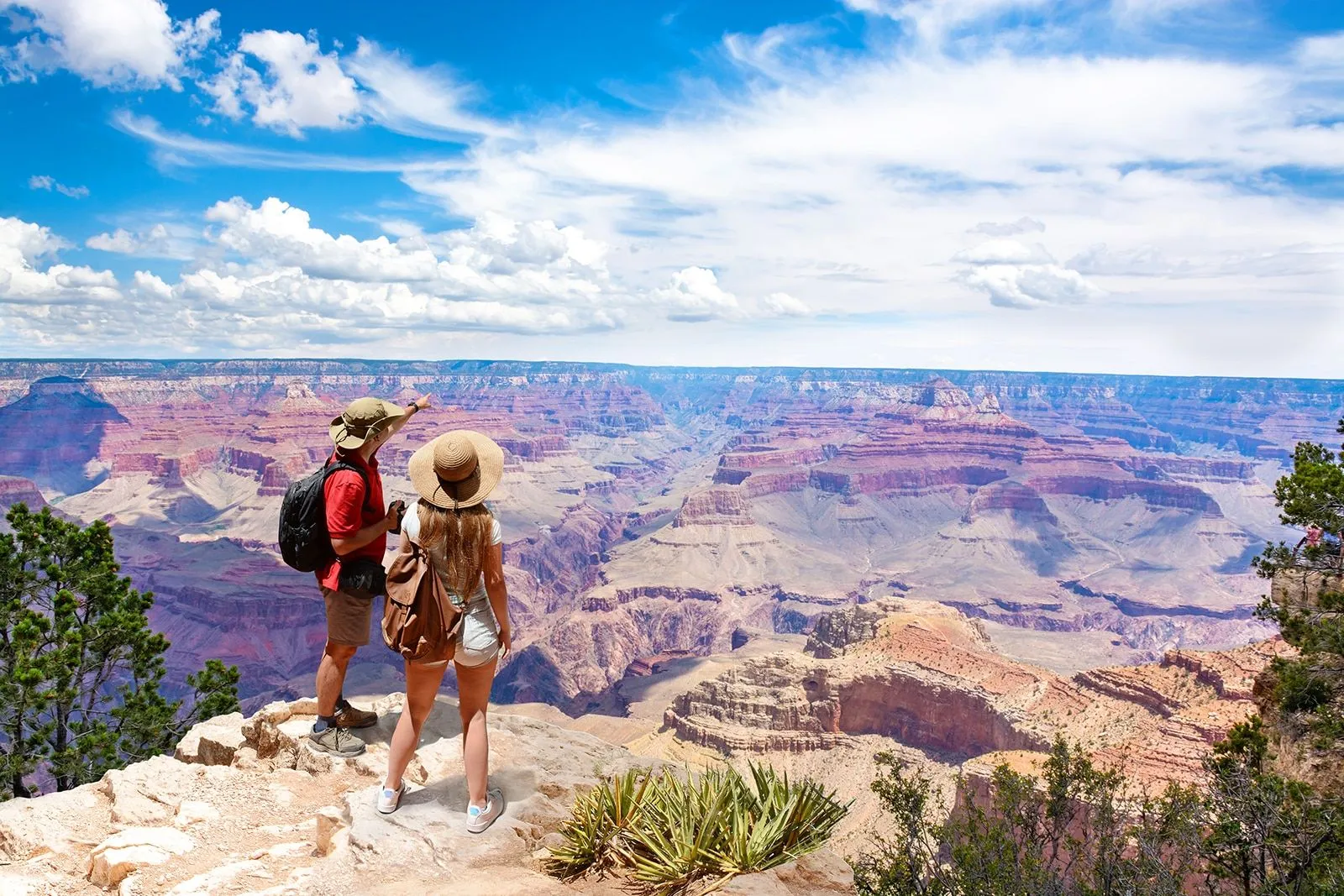
| Grand Canyon (South Rim) | 6,800 – 7,200 ft | Desert View Scenic Drive | Low-floor Ramp Shuttles | Full hospital in Flagstaff |
| Acadia | 0 – 1,500 ft | Ocean Drive & Carriage Roads | Island Explorer Bus Fleet | Immediate hospital in Bar Harbor |
Low-Elevation Coastal and Mountain Drive Parks
Parks featuring extensive scenic drives allow visitors to experience sweeping vistas without demanding physical hikes.
Key Advantages
-
Low elevations minimize altitude sickness risks and breathing strain.
-
Smooth paved roadways offer immediate access to scenic overlooks from personal vehicles.
Key Limitations
-
Peak autumn foliage or summer seasons create dense traffic congestion along narrow park roads.
Geothermal and Canyon Rim Parks
Iconic parks like Yellowstone and the Grand Canyon feature extensive boardwalk networks built around primary geologic attractions.
Key Advantages
-
Step-free boardwalks enable safe walking near thermal pools and canyon edges.
-
Free shuttle systems eliminate parking stress near congested natural landmarks.
Key Limitations
-
High base elevations above 6,000 feet require gradual acclimatization to avoid fatigue.
Detailed Real-World Scenarios
Analyzing practical scenarios demonstrates how elevation, climate, and accommodation choices interact during park visits.
Scenario A: Navigating Elevation Changes at Yellowstone
A mature traveler with mild cardiovascular sensitivity plans a summer trip to explore Yellowstone’s geyser basins.
-
Operational Need: Minimizing physical exertion while acclimatizing to the park’s 7,000-foot average elevation.
-
Critical Risk: Rapid physical activity upon arrival causes altitude fatigue and headaches.
-
Mitigation Strategy: Spending the first day resting at lodging facilities and focusing on flat boardwalk walks.
Scenario B: Managing Summer Heat at Grand Canyon South Rim
A couple visits the Grand Canyon during peak summer, seeking iconic views while avoiding high afternoon temperatures.
Operational Assessment
-
Direct sun exposure along rim paths increases heat exhaustion risks during midday hours.
-
Walking between overlooks along unshaded rim trails causes rapid physical dehydration.
Strategic Solution
-
Utilizing early morning hours for rim boardwalk walks and riding air-conditioned shuttle buses during midday heat.
-
Resting inside historic park lodges during peak afternoon temperatures.
Planning, Cost, and Resource Dynamics
Budgeting for a national park trip involves evaluating entry pass savings, gateway lodging rates, in-park dining options, and travel insurance coverage.
Financial Breakdown of Senior Park Trips
| Expense Category | Typical Cost Range | Value Inclusions | Budget Strategy |
| Senior Pass Fee | $20 (Annual) / $80 (Lifetime) | Free entry for passholder and vehicle passengers | Purchase online before trip |
| Gateway Hotel Lodging | $120 – $350 per night | Air-conditioned rooms, breakfast, parking | Book 4–6 months in advance |
| In-Park Lodge Rooms | $200 – $500 per night | Immediate park access, no morning traffic | Reserve 12 months ahead |
| Vehicle Rental / Fuel | $60 – $120 per day | Mobility flexibility across scenic drives | Select comfortable sedan or SUV |
Leveraging the Senior Pass System
The America the Beautiful Senior Pass provides exceptional financial value across the national park network. In addition to covering standard entrance fees, the pass frequently offers discounts on federal campground sites and expanded amenity fees.
Selecting the best national parks for seniors united states becomes even more cost-effective when combining lifetime pass benefits with off-peak seasonal travel strategies.
Tools, Strategies, and Support Systems
Utilizing specialized planning tools helps travelers verify trail accessibility, monitor weather changes, and secure convenient lodging.
Essential Park Planning Resources
-
NPS Accessibility Guides: Detailed digital booklets outlining trail gradients, accessible parking spaces, and bathroom facilities.
-
Recreation.gov Portal: Official reservation platform for securing vehicle entry permits, shuttle tickets, and campsites.
-
National Park Service App: Mobile application providing offline park maps, accessibility filters, and real-time news alerts.
-
Gateway Chamber Directories: Local travel guides detailing medical clinics, pharmacy locations, and accessible tour operators.
Risk Landscape and Failure Modes
Exploring national parks involves environmental risks that require proactive management to ensure personal safety.
Altitude illness represents a primary risk in mountain parks. Moving quickly above 6,000 feet without proper hydration can induce dizziness and fatigue, making gradual acclimatization essential.
Unpredictable weather patterns represent another critical factor. Mountain passes can experience sudden temperature drops and severe storms, highlighting the importance of carrying extra clothing layers and water.
Governance, Maintenance, and Long-Term Adaptation
Adapting travel routines to match changing physical needs allows older adults to continue enjoying national parks comfortably over time.
Strategic Travel Adaptation Stages
Evaluating physical fatigue after each trip helps travelers refine future park itineraries. Transitioning toward scenic drive corridors keeps park exploration rewarding while preserving physical energy.
Measurement, Tracking, and Evaluation
Monitoring personal comfort metrics helps refine future park itineraries and travel schedules.
Key Tracking Indicators
-
Daily Walking Distance: Monitoring steps on paved trails to prevent joint strain and muscle soreness.
-
Hydration Volume Intake: Tracking daily water consumption in dry or high-altitude park environments.
-
Rest Stop Frequency: Measuring how often seating breaks are needed during trail walks.
Common Misconceptions and Oversimplifications
Clearing up common park travel myths helps visitors plan safe and enjoyable trips.
-
Myth: National parks require strenuous hiking to see iconic sights.
Fact: Major parks feature accessible roadside overlooks and flat boardwalks leading directly to famous landscapes.
-
Myth: High-altitude mountain parks affect everyone equally.
Fact: Altitude sensitivity varies widely, but proper hydration and gradual pacing significantly reduce symptoms.
-
Myth: Cell phone coverage is reliably available across major national parks.
Fact: Mountain and desert terrain blocks cellular signals, making printed maps and offline navigation tools essential.
Ethical, Practical, or Contextual Considerations
Visiting national parks requires adhering to Leave No Trace principles to protect delicate natural ecosystems for future generations. Staying on designated boardwalks prevents damage to fragile geothermal formations and native plant life.
Additionally, traveling during shoulder seasons reduces overcrowding at popular park overlooks, supporting park conservation efforts while providing a quieter visitor experience.
Conclusion
Exploring North America’s national parks offers mature travelers an inspiring way to connect with grand landscapes and historic landmarks. Selecting parks with robust accessibility infrastructure, managing elevation challenges, and building flexible schedules ensures a safe and deeply rewarding journey.
With thoughtful destination planning and proper attention to physical comfort, visiting these protected public lands provides lasting memories across America’s most cherished natural spaces.