
Best Senior Getaways United States: Analytical Travel Guide
Curating travel itineraries for older adults across North America requires evaluating architectural design, microclimate stability, health system access, and physical strain. Standard travel literature often reduces mature travelers to a uniform age demographic. However, effective trip design must account for diverse functional capacities, medical considerations, and intellectual expectations.
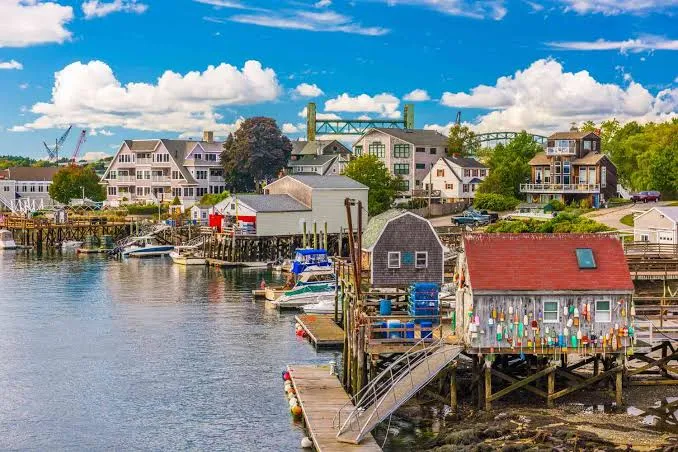
High-caliber domestic travel relies on seamless infrastructure, controlled daily pacing, dependable medical links, and rich regional traditions. Analyzing geographic regions reveals distinct trade-offs between physical exertion and cultural engagement. Arid desert sanctuaries offer stable warmth and level walking surfaces, whereas historic coastal ports provide deep regional heritage alongside microclimatic moisture, elevation shifts, and uneven stone paths.
Balancing physical comfort with intellectual engagement requires auditing transit logistics, lodging layouts, and emergency response capabilities. Experienced travelers examine property features, staff support ratios, and seasonal climate patterns long before committing to reservations. Mastering these evaluation frameworks enables mature travelers to construct rewarding, safe, and deeply restorative journeys across the nation.
Understanding “Best Senior Getaways United States”
Evaluating leisure options for mature travelers demands looking beyond superficial promotional claims and generic luxury branding. A rigorous analysis considers physical mobility standards, environmental friction, medical proximity, and cultural depth.
Structural Evaluation Pillars for Senior Travel
Identifying high-value destinations depends on scrutinizing four foundational operational pillars:
-
Architectural Accessibility: Step-free entryways, wide corridors, zero-barrier bathrooms, and reliable elevator networks across venues.
-
Schedule Flexibility: Open time blocks, flexible dining schedules, reduced crowding, and unhurried excursion paces.
-
Environmental Friction: Heat indices, elevation shifts, humidity levels, air quality metrics, and seasonal weather volatility.
-
Health System Proximity: Rapid access to urgent care facilities, regional trauma centers, and specialized medical providers.
Systematic Itinerary Assessment Framework
Achieving equilibrium between physical activity and rest requires evaluating travel routes, seasonal climates, and mobility demands. Thorough property and transit audits eliminate physical exhaustion while enhancing overall travel satisfaction.
When travelers weigh their options among the best senior getaways united states, matching functional physical needs with local infrastructure guarantees a restful and engaging journey.
Key Operational Variances in Travel Designs
Standard itineraries often mandate packed schedules, long terminal walks, and crowded attractions. Superior senior itineraries prioritize private ground transportation, priority boarding privileges, and quiet access to cultural landmarks.
Ground Surfaces and Walking Hazards
Uneven cobblestones, unpaved gravel, or slick marble entryways create slipping risks for travelers with mobility sensitivities. Exceptional destinations utilize textured, slip-resistant materials alongside level paved pathways.
Environmental Shading and Resting Zones
Prolonged exposure to direct sun and intense heat restricts outdoor sightseeing activities. Thoughtful venues integrate covered arcades, climate-controlled shuttles, and shaded benches along major walking loops.
Deep Contextual Background
The evolution of domestic senior travel across North America reflects broader demographic shifts, improved architectural standards, and changing concepts of healthy aging over recent decades.
Evolution of Senior Travel Infrastructure
Early leisure travel for retirees relied heavily on fixed motorcoach tours, seasonal coastal motels, and regional mineral springs with basic accessibility features.
Subsequent developments introduced universal architectural design principles, tailored wellness programming, and flexible culinary services. These advancements allow older travelers to explore alpine, desert, and coastal environments without sacrificing safety or personal comfort.
Transition Toward Custom Experiential Pacing
Contemporary retirees actively seek engaging domestic travel that combines gentle physical activity, farm-to-table dining, private museum tours, and expert-led history lectures. Flexible daily itineraries enable guests to enjoy morning sightseeing while keeping afternoons free for rest and recovery.
Conceptual Frameworks and Mental Models
Systematic itinerary design applies analytical models to evaluate physical strain, climatic friction, and service reliability before finalizing travel arrangements.
Framework 1: The Functional Exertion Index (FEI)
The FEI model assesses daily physical demand by measuring walking distances, elevation changes, and terrain surface types across a trip schedule.
-
Low-Strain Environments: Utilizing centralized hotels, level paved walkways, and private chauffeurs protects physical vitality for cultural activities.
-
High-Strain Environments: Navigating sprawling resorts with steep incline steps, uneven stairs, and shared buses causes fatigue and joint discomfort.
Framework 2: The Environmental Harmony Model (EHM)
This model evaluates travel plans by reviewing suite acoustics, dietary accommodations, ambient temperatures, and emergency medical readiness.
Key Categories or Variations
Selecting among the best senior getaways united states involves choosing between desert wellness retreats, historic coastal tours, river cruise journeys, and mountain lodge stays.
Comparison of Primary Travel Destinations
Desert Wellness Havens
Located in regions such as Palm Springs and Tucson, desert havens offer gentle winter weather, hydrotherapy facilities, and low-impact walking trails.
Distinct Advantages
-
Features flat physical terrain, reliable sunshine, and spa amenities that ease joint stiffness and promote relaxation.
-
Centralized dining venues and open garden courtyards encourage stress-free social interaction.
Potential Limitations
-
High summer temperatures restrict outdoor exploration, while low air humidity requires constant hydration.
Historic Coastal Cities
Cities like Charleston, Savannah, and Monterey offer deep cultural heritage, maritime cuisine, and scenic waterfront promenades.
Distinct Advantages
-
Provides rich architectural history, world-class dining, and level walking paths along protected waterfront districts.
-
Compact historic centers allow travelers to explore at a relaxed pace with minimal driving.
Potential Limitations
-
Cobblestone streets and older historic buildings often present stair barriers and uneven footpaths.
Detailed Real-World Scenarios
Examining concrete travel scenarios demonstrates how lodging choices, regional weather, and transportation arrangements influence comfort for older adults.
Scenario A: A Two-Week Autumn Tour of Coastal New England
A retired couple plans a fourteen-day trip through Massachusetts and Maine to experience coastal history and foliage views in comfort.
-
Operational Need: Viewing coastal landscapes and historical sites without enduring long motorcoach delays or stair climbing.
-
Critical Risk: Booking historic coastal inns lacking elevator infrastructure forces guests to carry luggage up steep stairways.
-
Strategic Choice: Securing ground-floor luxury suites and hiring a dedicated private driver for door-to-door transit.
Scenario B: A Spring Cultural Tour in Santa Fe
A traveler managing mild joint discomfort plans a trip focused on Southwestern art galleries, historic plazas, and regional culinary arts.
Operational Review
-
Crisp high-desert air provides mild spring temperatures, though high elevation requires steady pacing.
-
Navigating traditional art markets requires step-free access ramps rather than steep stone stairs.
Strategic Plan
-
Selecting a downtown boutique hotel near the main plaza and utilizing golf cart shuttles for gallery visits.
-
Maintaining consistent hydration and scheduling afternoon rest periods prior to evening dining.
Planning, Cost, and Resource Dynamics
Budgeting for the best senior getaways united states requires calculating accommodation rates, private transport fees, dining costs, guided tour fees, and travel insurance coverage.
Estimated Expenses for Domestic Senior Vacations
Optimizing Personal Comfort and Safety
Reserving suites located near central elevators, confirming roll-in shower configurations, and requesting extra room seating ensures physical comfort throughout the trip.
Evaluating these operational details mitigates unforeseen travel friction across the best senior getaways united states.
Tools, Strategies, and Support Systems
Utilizing accessibility mapping applications, expert travel advisors, and luggage delivery services ensures smooth journey coordination from departure to return.
Recommended Travel Support Systems
-
Accessibility Mapping Software: Digital platforms indicating step-free routes, slope grades, and public seating areas across cities.
-
Specialized Senior Travel Planners: Experienced advisors who inspect properties for elevator access, noise levels, and service standards.
-
Luggage Shipping Services: Door-to-door baggage logistics that eliminate heavy lifting at airport security lines.
-
On-Call Medical Services: National healthcare networks providing in-room doctor consultations and prescription management.
Risk Landscape and Failure Modes
Complex travel itineraries involve operational risks that can trigger physical exhaustion, health setbacks, or sudden schedule changes.
Physical exhaustion represents a major travel risk. Pacing activities, taking afternoon rest breaks, and using private transportation prevents health issues.
Environmental strain caused by heat or high altitude impacts health. Selecting moderate climates and maintaining hydration safeguards overall comfort.
Governance, Maintenance, and Long-Term Adaptation
Adapting travel styles, regional choices, and lodging types as personal mobility needs evolve ensures ongoing travel enjoyment over time.
Travel Style Evolution Stages
Reviewing physical comfort levels after every vacation helps travelers refine accommodation preferences and service needs for future trips.
Measurement, Tracking, and Evaluation
Monitoring travel expenses, daily energy levels, and resort service quality helps travelers select optimal destinations for upcoming vacations.
Key Metrics for Travel Comfort Evaluation
-
Daily Vitality Score: Tracking daily walking effort to ensure activities remain enjoyable without causing physical exhaustion.
-
Transit Reliability Index: Measuring private driver punctuality, baggage handling care, and vehicle boarding ease during transfers.
-
Sleep Quality Index: Evaluating room quietness, mattress support, and climate control stability across vacation nights.
Common Misconceptions and Oversimplifications
Correcting common travel myths enables mature travelers to choose the best senior getaways united states that offer physical ease and authentic enjoyment.
-
Myth: All high-end resorts offer complete accessibility facilities.
Fact: Historic luxury resorts frequently feature structural barriers such as stone steps, narrow doors, and steep garden paths.
-
Myth: Group motorcoach tours represent the most restful travel option.
Fact: Fixed group schedules often mandate early morning departures, long bus rides, and brief rest periods.
-
Myth: High-altitude mountain destinations suit all older travelers.
Fact: Reduced atmospheric oxygen at high elevations can induce headaches, sleep disturbances, and physical fatigue.
Ethical, Practical, or Contextual Considerations
Balancing independent exploration with necessary physical support represents an essential element of successful travel planning. Using chauffeur transfers, utilizing step-free walkways, and requesting tailored culinary menus preserves comfort without compromising dignity.
Prioritizing physical well-being, choosing transparent travel providers, and booking ground-level accommodations protects health while creating unforgettable experiences.
Conclusion
Designing memorable domestic vacations requires evaluating architectural accessibility, transportation convenience, microclimate comfort, and healthcare availability. Employing detailed mapping tools, selecting ideal weather windows, and securing private transport allows older adults to explore diverse American regions with complete peace of mind.