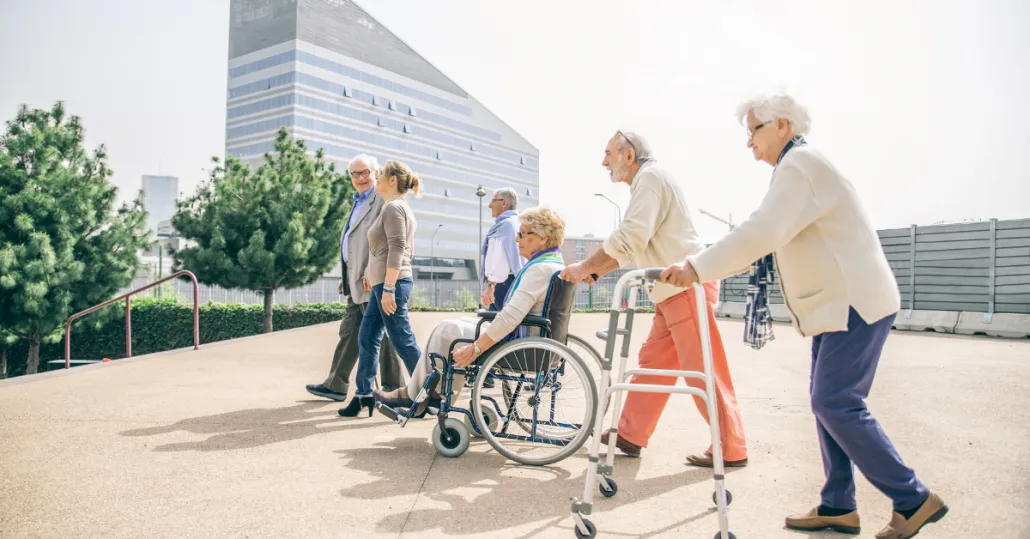
How to Manage Senior Mobility Issues: Comprehensive Guide & Clinical Frameworks
Age-related movement decline represents one of the most complex challenges in geriatric care, clinical therapy, and family support systems. Loss of physical independence rarely occurs overnight. Instead, it unfolds through subtle changes in balance, joint flexibility, muscle strength, and spatial awareness. Addressing these functional shifts requires balancing physical safety with personal dignity and independence.
Systemic mobility management extends far beyond purchasing a cane or installing bathroom grab bars. Effective interventions demand a deep understanding of musculoskeletal health, neurological coordination, and environmental design. When caregivers and medical practitioners focus solely on immediate physical symptoms, they often miss underlying causes like medication side effects, inner ear dysfunction, or cognitive decline.
Developing a sustainable strategy requires evaluating physical capabilities, home environment hazards, and long-term support networks. A proactive management plan helps older adults maintain autonomy while drastically reducing the risk of catastrophic fall injuries. This comprehensive pillar article delivers an analytical framework designed to help families, clinicians, and care managers systematically address physical decline and preserve long-term quality of life.
How to Manage Senior Mobility Issues
Addressing age-related movement challenges requires evaluating physical, cognitive, and environmental factors together. The core goal is not simply forcing an older adult to walk, but optimizing safe functional movement across daily routines.
Core Clinical and Operational Pillars
A comprehensive care approach relies on four fundamental pillars:
-
Biomechanical Evaluation: Assessing leg muscle strength, joint range of motion, gait stability, and postural alignment.
-
Environmental Hazard Auditing: Identifying spatial obstacles, poor lighting, slippery flooring, and narrow doorways.
-
Adaptive Technology Matching: Selecting correct mobility aids like rollators, walkers, or wheelchairs adjusted to proper height.
-
Medication and Neurological Review: Monitoring drug interactions that cause dizziness, blood pressure drops, or drowsiness.
Avoiding Common Assessment Pitfalls
Families often mistake gradual mobility decline for inevitable aging, delaying helpful therapeutic interventions. Conversely, over-assisting an older adult accelerates muscle loss by removing daily physical effort. Learning how to manage senior mobility issues effectively means providing targeted support that encourages active movement while eliminating major fall hazards.
Deep Contextual Background
The evolution of geriatric care has shifted the medical community’s approach to aging and movement. Historically, physical decline was treated as an unchangeable consequence of growing old, leading to passive care models.
Historical Shifts in Mobility Care
In the early twentieth century, immobile seniors were frequently confined to bed rest or institutional settings. This prolonged bed rest accelerated muscle atrophy, joint contractures, and pressure sores.
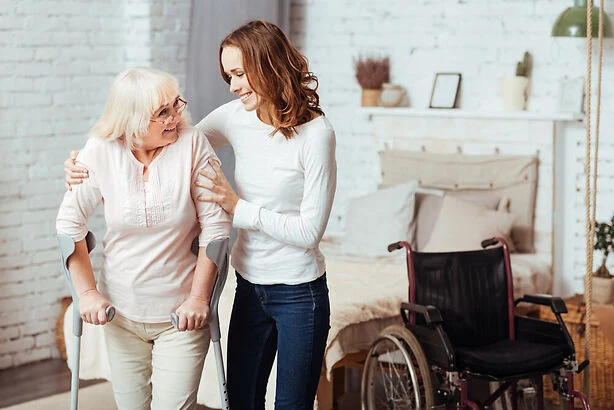
By the late 1980s, medical research proved that physical exercise, physical therapy, and active movement preserves mobility well into advanced age. Modern geriatric care prioritizes active rehabilitation, home modifications, and restorative physical therapy over passive confinement.
Societal and Technological Factors
Modern home architecture, urban infrastructure, and assistive technology now support aging in place. Universal design standards ensure that living spaces feature step-free entries, wider doorways, and accessible bathrooms. These environmental improvements empower seniors to remain independent within their communities longer.
Conceptual Frameworks and Mental Models
Systematic care management relies on structured evaluation models. Caregivers and healthcare professionals can utilize specific frameworks to measure physical function, safety risks, and care requirements.
Framework 1: The Functional Independence vs. Safety Threshold (FIST)
The FIST model evaluates the delicate balance between personal autonomy and environmental fall risks.
-
High FIST Ratio (> 1.5): Indicates strong physical ability and a safe home environment, allowing independent daily living.
-
Balanced FIST Ratio (0.8 – 1.2): Represents moderate physical limits requiring adaptive devices and targeted home updates.
-
Low FIST Ratio (< 0.5): Highlights severe fall risks demanding immediate physical therapy and full-time caregiver supervision.
Framework 2: The Physical Decline Progression Spectrum
Understanding where an individual sits on the physical decline spectrum helps determine timely care interventions before major fall accidents occur.
Key Categories and Intervention Variations
Selecting appropriate support interventions requires comparing available mobility solutions. Each category provides distinct trade-offs regarding cost, physical independence, and caregiver burden.
Comparison of Mobility Interventions
| Intervention Category | Physical Independence | Fall Protection Level | Implementation Cost | Caregiver Effort |
| Targeted Physical Therapy | High | Moderate to High | Ongoing Service Costs | Low to Moderate |
| Manual Assistive Devices | Moderate to High | Moderate | Low One-Time Expense | Low |
| Motorized Mobility Aids | Moderate (Conserves Energy) | High | High Capital Cost | Low |
| Environmental Home Updates | High | High | Moderate to High | Low (Post-Install) |
| Full-Time Caregiver Support | Low to Moderate | Highest | High Recurring Expense | High |
Physical Rehabilitation Programs
Targeted exercise programs focus on rebuilding leg muscle strength, joint flexibility, and core balance.
-
Pros: Preserves natural joint movement, delays physical decline, and boosts cognitive confidence.
-
Cons: Requires consistent physical effort, ongoing financial investment, and professional guidance.
Assistive Mobility Devices
Canes, rollators, and transport chairs offer immediate biomechanical support for unsteady individuals.
-
Pros: Inexpensive, widely available, and effective for preventing loss of balance.
-
Cons: Incorrect device height or improper usage can cause shoulder strain or falls.
Detailed Real-World Scenarios
Evaluating practical scenarios illustrates how physical capabilities, living environments, and health conditions interact over time.
Scenario A: Managing Post-Stroke Weakness in a Multi-Story Home
An 80-year-old senior recovering from a mild stroke experiences leg weakness while living in a two-story residence.
-
Operational Need: Installing stair lifts, fitting a rollator walker, and scheduling physical therapy sessions.
-
Critical Risk: Attempting to climb stairs unassisted, leading to a serious fall.
-
Mitigation Strategy: Reorganize the main floor for primary living and install safety grab bars in the bathroom.
Scenario B: Addressing Progressive Osteoarthritis in Rural Settings
A 76-year-old living in a rural area experiences severe knee pain that limits walking distance and grocery shopping trips.
-
Operational Need: Obtaining a lightweight folding electric wheelchair for long distances and securing rural transit support.
-
Critical Risk: Social isolation and missed medical appointments due to inability to drive or walk far.
-
Mitigation Strategy: Connect with community transport services and utilize motorized mobility devices for outdoor trips.
Planning, Cost, and Resource Dynamics
Financial planning for senior mobility care requires balancing immediate home update costs with ongoing medical care expenses.
Estimated Costs for Mobility Management
| Support Expense Item | Low-End Estimate | Mid-Range Estimate | High-End Estimate |
| Home Modifications (Ramps/Bars) | $250 | $1,500 | $8,000+ |
| Assistive Devices (Rollators/Canes) | $40 | $180 | $600 |
| Motorized Wheelchairs / Scooters | $900 | $2,500 | $6,000+ |
| Outpatient Physical Therapy | $50 / session | $120 / session | $250 / session |
| Home Health Aide (Monthly) | $1,200 | $3,500 | $7,000+ |
Managing Hidden Expenses
When care teams evaluate how to manage senior mobility issues, they must budget for hidden costs. Replacing worn rubber cane tips, servicing electric wheelchair batteries, and purchasing specialized adaptive footwear add to routine care expenses over time.
Tools, Strategies, and Support Systems
Implementing practical tools and support networks helps caregivers reduce fall hazards and maintain safe living environments.
Essential Mobility Support Tools
-
Automated Fall Detection Wearables: Smart sensors that alert emergency services or family members immediately after a fall.
-
Modular Entryway Ramps: Lightweight aluminum ramps that cover exterior entry steps for smooth wheelchair access.
-
Motion-Activated LED Footlight Strips: Automatic lighting that illuminates hallways and paths to the bathroom at night.
-
Physical Transfer Belts: Padded safety belts that allow caregivers to assist during sitting-to-standing transfers safely.
Risk Landscape and Failure Modes
Ignoring subtle balance issues leads to compounding health risks. Identifying potential failure points allows care teams to create effective safety backup plans.
A major failure mode involves sudden hypotension caused by blood pressure medications. When an older adult stands up quickly, sudden dizziness can trigger a fall. Medical teams must review drug prescriptions regularly to eliminate medication-induced balance loss.
Governance, Maintenance, and Long-Term Adaptation
Maintaining safe physical movement requires updating home environments and adjusting care strategies as health needs change over time.
The Long-Term Care Adaptation Spectrum
Regular physical assessments ensure that adaptive equipment matches current physical capabilities. Upgrading from a simple cane to a four-wheeled rollator at the right time prevents unnecessary physical fatigue and fall injuries.
Measurement, Tracking, and Evaluation
Tracking objective mobility indicators helps medical professionals measure physical progress and evaluate intervention success.
Key Tracking Indicators
-
Timed Up and Go (TUG) Test: Measuring the time required to stand from a chair, walk three meters, turn, and sit down.
-
Gait Speed Measurements: Tracking walking velocity over a set distance to predict fall risks.
-
Monthly Fall Incident Logs: Documenting near-misses, trips, and balance loss episodes to identify environmental hazards.
Common Misconceptions and Oversimplifications
Dispelling widespread myths prevents poor care decisions and dangerous delays in therapeutic intervention.
-
Myth: Using a walker makes muscle weakness worse.
Fact: Assistive devices reduce fall anxiety and joint strain, encouraging seniors to walk further and stay active.
-
Myth: Rest is the best treatment for unsteady legs.
Fact: Prolonged inactivity rapidly weakens leg muscles, making unsteadiness significantly worse.
-
Myth: Home modifications are only necessary after a major fall.
Fact: Proactive home updates prevent initial fall accidents from occurring, preserving long-term independence.
Ethical, Practical, and Contextual Considerations
Preserving personal dignity while managing mobility limitations requires thoughtful communication. Forcing an older adult to accept a wheelchair or give up driving without collaborative discussion can cause emotional distress and resistance.
Caregivers should involve seniors in every decision, focusing on how assistive tools restore freedom rather than highlight physical decline. Respecting individual autonomy builds trust and ensures long-term cooperation with safety plans.
Conclusion
Successfully managing age-related physical decline requires a balanced strategy that combines medical evaluation, exercise therapy, home updates, and adaptive technology. Understanding how to manage senior mobility issues allows families and healthcare providers to protect physical safety without sacrificing personal dignity.
Early intervention, regular physical assessments, and proactive environmental updates prevent catastrophic fall injuries and support long-term aging in place. An analytical, empathetic approach ensures older adults maintain freedom, comfort, and confidence throughout their senior years.