Prevent Senior Luggage Loss: Luggage Tracking and Travel Safety Guide
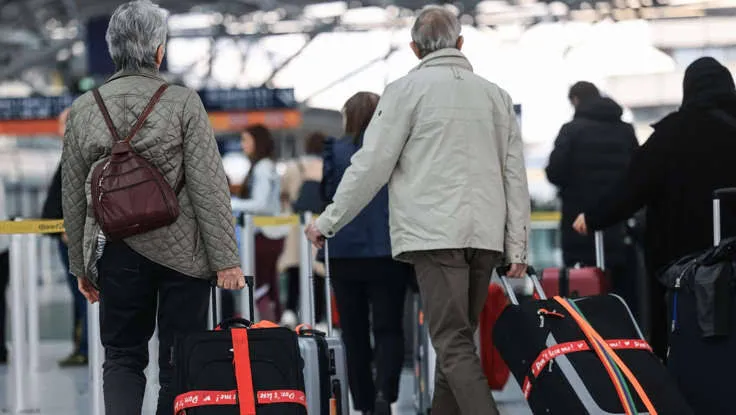
How to Avoid Senior Luggage Loss. Baggage handling systems inside international airports move millions of suitcases daily through automated sorting networks, conveyor belts, and tarmac transfers. When flight delays occur or transfer windows shrink, bags often get misrouted or left behind on airport aprons. Mature travelers facing lost luggage must navigate confusing terminal basements, negotiate with airline agents, and replace essential medications while managing physical fatigue.
Preventing lost luggage requires a complete approach that combines durable physical labeling, digital tracking technology, and smart flight scheduling. Relying solely on standard paper airline tags exposes suitcases to torn handles, unreadable barcodes, and routing errors. Connecting flights with short layover windows significantly increase the risk of mishandled luggage during transfers between different airlines.
Effective luggage protection balances carry-on weight limits with smart packing strategies and digital tracking tools. Experienced travelers use Bluetooth smart tags, place backup contact information inside their bags, select direct flight routes, and double-check baggage claim tags at check-in counters. Understanding baggage handling logistics enables older adults to protect critical belongings while maintaining stress-free travel itineraries.
Understanding “How to Avoid Senior Luggage Loss”
Protecting checked baggage requires going beyond standard exterior name tags. It demands a systematic travel workflow that coordinates digital location tracking, durable physical identification, and conservative flight routing choices.
Key Operational and Logistic Pillars
Managing luggage safety involves coordinating four core practical safeguards:
-
Digital Tracking Technology: Placing cellular or Bluetooth location tags inside checked bags to monitor their movement in real time.
-
Durable External Identification: Attaching sturdy leather or metal luggage tags with covered contact details that resist tearing during automated baggage sorting.
-
Flight Schedule Buffers: Choosing flight connections with at least two hours of layover time to allow ground crews to transfer bags safely.
-
Inside Contact Cards: Placing duplicate travel itineraries and emergency contact details directly on top of packed items inside every bag.
Baggage Safety Management Matrix
Minimizing luggage risks requires balancing digital location tracking tools with physical identification safeguards and smart packing techniques. Comprehensive planning connects technology with physical security.
When travelers evaluate how to avoid senior luggage loss, combining digital location tracking with clear physical identification ensures reliable bag recovery.
Structural Nuances in Luggage Handling
Automated baggage handling systems rely on optical scanners to read barcode tags attached at check-in counters. Scratched barcodes, hanging paper tags, or old destination stickers can cause routing errors inside airport sorting facilities.
Transfer Window Breakdown Risks
Express transfer windows under sixty minutes drastically increase luggage mishandling rates. While passengers can walk quickly across terminal gates, ground handling crews require additional time to unload, sort, and reload cargo holds.
Code-Share Airline Handoffs
Connecting flights operated by different partner airlines introduce administrative tracking gaps. When baggage transfer protocols fail between carriers, misplaced bags often sit in holding areas awaiting manual reconciliation.
Deep Contextual Background
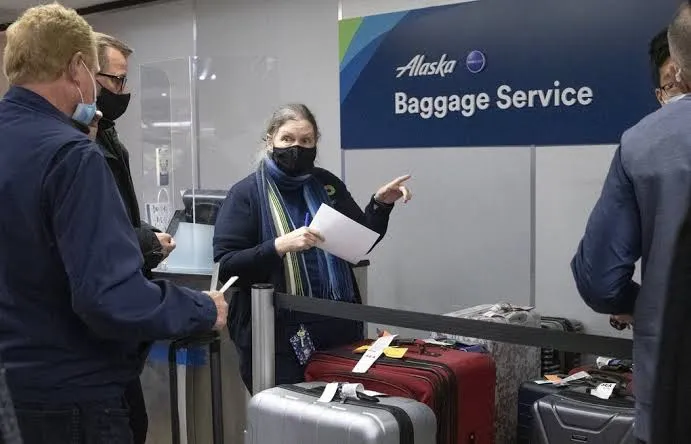
The evolution of airport luggage handling reflects major technological shifts, changing from manual cart sorting to automated barcode systems and global digital tracking networks.
Evolution of Airport Baggage Systems
Early commercial aviation relied entirely on manual baggage loading, hand-written paper tags, and visual sorting by airport ramp agents.
Technological innovations introduced automated laser sorting, RFID-enabled baggage tags, and smartphone location alerts. These advancements allow travelers to monitor their suitcases independently across global flight networks.
Shift Toward Real-Time Passenger Tracking
Modern airlines integrate baggage tracking updates directly into their official mobile applications. Passengers now receive instant notification alerts when their checked bags are loaded onto airplanes, unloaded at arrival gates, or transferred to baggage carousels.
Conceptual Frameworks and Mental Models
Systematic baggage protection utilizes proven organizational frameworks to evaluate transfer risks, packing priorities, and recovery steps before departing for the airport.
Framework 1: The Essential Inventory Split Model (EISM)
The EISM model organizes packed items into critical carry-on essentials and replaceable checked baggage contents.
-
Safe Packing Distribution: Critical prescription medications, medical devices, financial documents, and basic clothing remain in carry-on bags.
-
High-Risk Packing Distribution: Packing vital prescription drugs or expensive medical equipment inside checked suitcases exposes travelers to severe health risks if bags are delayed.
Framework 2: The Luggage Transfer Vulnerability Index (LTVI)
This framework evaluates misrouting risks based on flight connection times, airport size, and carrier transfers.
Key Categories or Variations
Protecting travel belongings involves choosing between carry-on options, checked bag setups, professional luggage delivery services, and digital tracking tools.
Comparison of Baggage Protection Strategies
| Protection Category | Primary Focus Area | Implementation Cost | Luggage Recovery Speed | Primary Operational Limitation |
| Carry-On Travel Only | Total Loss Avoidance | Low | Immediate | Overhead bin weight limits |
| Smart Bluetooth Trackers | Real-Time Location | $25 – $40 per bag | Very Fast | Dependent on network mesh |
| Door-to-Door Shipping | Terminal Bypass | $100 – $300 per trip | Scheduled | Requires advance pickup |
| Durable Metal Tags | Physical ID Safety | $10 – $20 per tag | Moderate | Relies on manual staff read |
In-Cabin Carry-On Strategies
Traveling exclusively with carry-on luggage completely removes the risk of lost checked bags at airport terminals.
Primary Advantages
-
Keeps all vital medications, medical equipment, and daily essentials within arm’s reach throughout the journey.
-
Eliminates long waiting times at crowded arrival carousels and removes airport check-in counter deadlines.
Operational Limitations
-
Lifting heavy wheel bags into overhead aircraft bins can cause physical strain or injury for older travelers.
Specialized Luggage Shipping Services
Professional door-to-door luggage delivery services pick up suitcases directly from homes and transport them straight to destination hotels.
Primary Advantages
-
Bypasses airport check-in lines, luggage carousels, and heavy lifting throughout transit hubs.
-
Provides detailed tracking updates and door-to-door delivery confirmation for complete peace of mind.
Operational Limitations
-
Requires packing belongings several days in advance to accommodate pickup and ground transport schedules.
Detailed Real-World Scenarios
Analyzing real-world scenarios demonstrates how packing choices, layover timing, and tracking technology interact during complex international journeys.
Scenario A: Handling Tight Layover Transfers During International Flights
A senior traveler connects through a major European transit hub with only fifty minutes between flights.
-
Operational Need: Ensuring checked bags successfully transfer between connecting flights during international journeys.
-
Critical Risk: Short transfer windows cause ground crews to miss loading checked bags onto departing aircraft.
-
Strategic Choice: Booking flight connections with at least two to three hours of layover time at major transit hubs.
Scenario B: Tracking Delayed Luggage Using Smart Location Tags
A traveler arrives at their destination airport, but their checked suitcase fails to appear on the arrival carousel.
Operational Assessment
-
Airline baggage agents lack immediate visibility on misplaced bags left behind at departure airports.
-
Bluetooth location trackers provide instant visual confirmation of the bag’s exact GPS location.
Strategic Solution
-
Opening the tracking application to show baggage agents the suitcase’s precise location at the origin airport.
-
Filing an official Mishandled Property Report with exact location data to accelerate priority delivery to the hotel.
Planning, Cost, and Resource Dynamics
Budgeting for luggage security involves evaluating tracker purchases, durable baggage hardware, shipping options, and specialty travel insurance coverage.
Financial Requirements Across Luggage Protection Tiers
| Protection Tool Tier | Initial Setup Cost | Ongoing Annual Cost | Primary Included Safety Benefit |
| Basic Identification | $10 – $25 | $0 | Durable metal tags and interior itinerary cards |
| Digital Smart Trackers | $30 – $100 | $0 – $10 | Real-time smartphone location updates worldwide |
| Baggage Protection Insurance | $20 – $50 per trip | Varies | Expense reimbursement for delayed or lost luggage |
| Door-to-Door Delivery | $150 – $400 per trip | Varies | Complete hands-free transit straight to hotels |
Protecting Critical Medications and Documents
Reviewing packing arrangements before departing prevents health risks if checked luggage experiences unexpected delays.
When evaluating how to avoid senior luggage loss, keeping vital prescription drugs in personal carry-on bags prevents dangerous health interruptions.
Tools, Strategies, and Support Systems
Utilizing digital tracking apps, high-visibility luggage accessories, and smart packing methods helps older adults secure their travel belongings effectively.
Essential Luggage Protection Resources
-
Bluetooth Smart Location Tags: Compact tracking devices that transmit accurate location updates to nearby smartphone networks.
-
Heavy-Duty Luggage Straps: High-visibility adjustable belts that reinforce bag zippers and make suitcases easy to spot on carousels.
-
Internal Contact Sleeve Documents: Waterproof pockets placed inside suitcases containing hotel addresses, return details, and flight numbers.
-
Official Airline Mobile Applications: Smartphone tools that send automated baggage status notifications during flight transfers.
Risk Landscape and Failure Modes
Securing checked baggage requires navigating handling operational risks that can lead to misplaced luggage, broken zippers, or lost items.
Torn airline barcode tags represent a frequent handling failure. When paper tags rip off on conveyor belts, automated sorting systems route bags to manual holding rooms.
Identical black suitcases create another carousel risk. Other passengers can accidentally grab similar-looking bags from arrival belts, causing unnecessary delays.
Governance, Maintenance, and Long-Term Adaptation
Updating baggage tracking tools and packing protocols before every trip keeps travel routines simple and safe as travel schedules change.
Strategic Luggage Management Phases
Checking tracker battery levels and updating home contact details on luggage tags every six months ensures tracking tools remain functional during travel.
Measurement, Tracking, and Evaluation
Systematic tracking of luggage security protocols helps travelers identify reliable airlines, safe connection airports, and effective packing methods.
Key Evaluation Metrics
-
Bag Transfer Success Rates: Monitoring the percentage of seamless baggage arrivals across different flight itineraries and transit airports.
-
Carousel Identification Speed: Measuring time spent identifying and retrieving luggage at arrival carousels using high-visibility identifiers.
-
Tracker Signal Reliability: Evaluating smartphone location updates across international transit hubs and arrival terminals.
Common Misconceptions and Oversimplifications
Clearing up widespread baggage safety myths helps travelers choose effective luggage protection strategies.
-
Myth: Placing fragile stickers guarantees careful manual handling by airport ramp workers.
Fact: Automated conveyor systems route bags based solely on printed barcodes, completely ignoring fragile labels.
-
Myth: External paper tags provided by airlines offer sufficient contact protection.
Fact: Thin paper tags easily tear off during automated baggage handling, leaving suitcases without external owner information.
-
Myth: Airlines reimburse the full value of all lost contents without receipt proof.
Fact: Carrier liability caps limit total compensation, and airlines require detailed purchase receipts for expensive claimed items.
Ethical, Practical, or Contextual Considerations
Balancing heavy luggage protection accessories with manageable carry-on weight limits represents an important travel safety consideration. Overpacking carry-on bags to avoid checking suitcases can cause physical strain or difficulty navigating airport terminals.
Using lightweight rolling suitcases, requesting airport wheelchair assistance, or utilizing luggage shipping services ensures a comfortable travel experience without physical exertion.
Conclusion
Preventing lost luggage requires combining digital location tracking tools, durable physical identification, conservative flight scheduling, and smart packing habits. Checking baggage tags at ticket counters, placing contact cards inside suitcases, and maintaining comfortable transfer buffers helps travelers protect their belongings.