Common Senior Cruise Mistakes: Comprehensive Risk Management & Avoidance Guide
Ocean cruising presents a complex operational environment where physical logistics, maritime medical protocols, and financial structures intersect. For older travelers, a sea voyage offers an appealing combination of destination access and unpack-once convenience. Yet the modern passenger shipping industry relies on unbundled pricing, high-density ship architecture, and strict timetable adherence. Small planning oversights can quickly create significant logistical, medical, or financial friction.
Avoiding operational breakdowns requires an analytical understanding of maritime systems. Land-based consumer protections and healthcare networks do not extend seamlessly into international waters. A guest who relies on domestic health insurance, books tight embarkation transfers, or overlooks shipboard walking distances faces vulnerabilities that can disrupt a long-planned journey.
Addressing these challenges demands an objective review of voyage planning. Analyzing cabin choices, mobility support, insurance riders, and port logistics prevents minor oversights from becoming costly emergencies. This comprehensive reference manual examines maritime service models, onboard health protocols, and risk factors to help mature travelers construct resilient, high-value cruise itineraries.
Understanding Common Senior Cruise Mistakes
Evaluating maritime travel errors requires recognizing that modern cruise ships function as floating commercial municipalities. Operating within international waters, these vessels enforce distinct legal frameworks, medical standards, and service structures.
Structural Categories of Voyage Errors
Planning oversights generally fall into distinct operational categories:
-
Medical Infrastructure Gaps: Assuming domestic health coverage applies at sea, or underestimating maritime infirmary treatment costs.
-
Vessel Architecture Miscalculations: Selecting distant staterooms without evaluating shipboard walking distances or elevator wait times.
-
Port Transit Disruptions: Booking tight same-day flight arrivals that risk missing embarkation cutoffs.
-
Destination Excursion Friction: Overestimating personal mobility on uneven historic cobblestones or tender boat transfers.
Deconstructing Operational Failures
A frequent misunderstanding is viewing all cruise itineraries as low-effort vacations. While shipboard life eliminates daily hotel transfers, navigating mega-vessels spanning over one thousand feet requires sustained physical effort.
By identifying common senior cruise mistakes, travelers can construct backup plans that address health risks, mobility limits, and financial exposure before leaving home.
Deep Contextual Background
The commercial cruise sector has undergone significant structural transformations over the past forty years. These industry shifts directly influence how mature travelers navigate shipboard environments and evaluate trip value.
Shift from Uniform Liners to Megaship Architecture
During the late twentieth century, passenger vessels maintained modest dimensions accommodating fewer than fifteen hundred guests. Public spaces remained centralized, and walking distances between staterooms and dining venues were relatively short.
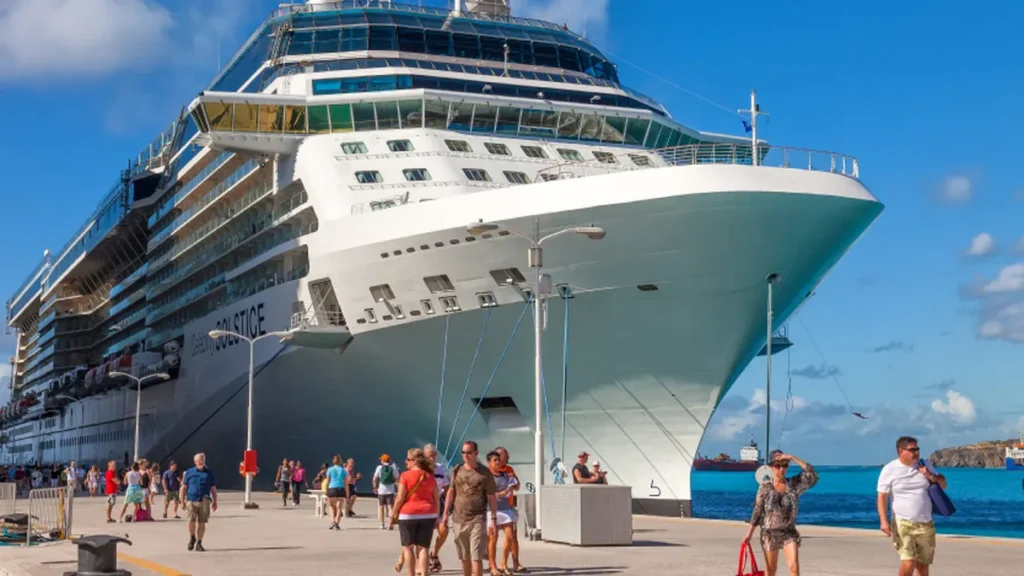
The introduction of modern megaships carrying over six thousand passengers expanded shipboard choices while dramatically increasing walking distances. A trip from an aft stateroom to a forward theater on a modern vessel can equal several city blocks, presenting physical challenges for guests with joint stiffness or low stamina.
Evolution of Onboard Healthcare Systems
Concurrently, maritime medical facilities evolved from basic first-aid stations into sophisticated urgent care clinics. However, international maritime law classifies these infirmaries as private fee-for-service facilities. Understanding this legal status helps travelers avoid unexpected, out-of-pocket medical bills while sailing.
Conceptual Frameworks and Mental Models
Systematic voyage evaluation relies on objective analytical frameworks. Travelers can utilize specific mental models to assess physical demands, health risks, and financial efficiency before booking.
Framework 1: The Cumulative Vessel Transit Score (CVTS)
The CVTS model calculates the daily physical distance required to navigate between a selected stateroom and key ship amenities.
-
High CVTS (> 1.5 Miles/Day): Forward or aft staterooms on high decks requiring extensive corridor walking and elevator waits.
-
Optimal CVTS (< 0.5 Miles/Day): Midship staterooms located on decks adjacent to main dining rooms and elevator banks.
Framework 2: The Medical Evacuation Vulnerability Index (MEVI)
This framework evaluates health risks based on vessel positioning relative to mainland trauma centers.
Key Categories and Risk Variations
Understanding voyage risk requires evaluating different ship sizes, itinerary structures, and cabin categories. Every choice presents distinct trade-offs regarding physical comfort, cost, and healthcare access.
Comparison of Maritime Risk Profiles
| Ship Category | Spatial Demand | Medical Capabilities | Port Access Logistics | Risk Severity |
| Megaships (5,000+ Guests) | Very High | Advanced Onboard Clinic | Frequent Tender Ports | High Spatial Friction |
| Mid-Sized (2,000 Guests) | Moderate | Standard Urgent Care | Direct Pier Docking | Low Spatial Friction |
| Small Ocean Ships | Low | Basic Medical Staff | Small Harbor Docking | High Motion Sensitivity |
| European River Vessels | Lowest | No Onboard Infirmary | Direct Town Docking | High Shore Reliance |
Megaship Logistics vs. Small Ship Motion
Selecting a ship size involves balancing onboard amenities against physical demands. Megaships offer expansive medical centers and stabilizing tech, yet their massive decks require high daily walking mileage.
-
Pros: Advanced medical stabilization gear, multiple dining options, and smooth sailing dynamics.
-
Cons: Extended terminal walking spans, long elevator queues, and crowded port disembarkation lines.
River Cruising Trade-Offs
River vessels dock directly in town centers, eliminating tender boats and long walking spans.
-
Pros: Direct town access, zero motion sickness, and intimate group sizes.
-
Cons: Complete reliance on local shore-side hospitals during medical emergencies.
Detailed Real-World Scenarios
Examining practical scenarios illustrates how cabin choices, arrival timing, and health insurance limits interact during maritime disruptions.
Scenario A: Navigating Same-Day Flight Disruptions
A couple books a same-day flight arriving at 1:30 PM for a 4:00 PM ship departure from a busy Florida port.
-
Operational Breakdown: A minor flight delay leaves no time buffer for airport baggage collection or terminal traffic.
-
Second-Order Impact: The ship raises its gangway on schedule, stranding the passengers and forcing expensive catch-up travel.
-
Mitigation Strategy: Arrive at the port city a full day early, booking a hotel with accessible airport-to-port transfers.
Scenario B: Medical Disembarkation in an Overseas Port
An 80-year-old traveler suffers a severe respiratory infection while sailing between Caribbean islands.
-
Operational Need: Urgent stabilization in the shipboard infirmary followed by an air ambulance transfer home.
-
Critical Risk: Relying on domestic health coverage that excludes international medical transport.
-
Mitigation Strategy: Purchase primary travel health insurance featuring a $500,000 medical evacuation rider.
Planning, Cost, and Resource Dynamics
Financial budgeting requires accounting for indirect expenses like emergency medical evacuation riders, pre-cruise lodging, and port logistics.
Estimated Costs of Common Cruise Planning Errors
| Operational Category | Potential Expense Range | Underlying Cause | Prevention Strategy |
| Shipboard Medical Care | $500 – $8,000 out-of-pocket | Fee-for-service infirmary pricing | Primary travel health insurance |
| Air Ambulance Evacuation | $30,000 – $100,000+ | Remote maritime transfers | Dedicated evacuation membership |
| Same-Day Flight Disruption | $1,500 – $4,000 | Missed ship departure | Pre-cruise hotel night stay |
| Inaccessible Port Taxi | $150 – $400 | Unregulated local transport | Pre-booked accessible tours |
Managing Unexpected Out-of-Pocket Expenses
Analyzing common senior cruise mistakes reveals that indirect fees often exceed base ticket costs during unexpected disruptions. Common financial leaks include:
-
Uninsured Pre-Existing Conditions: Claims denied due to missing early-booking insurance waivers.
-
Foreign Hospital Guarantees: Overseas clinics requiring immediate credit card deposits prior to admission.
-
Pier-Side Transportation Surcharges: Hiring private accessible vans without pre-arranged flat rates.
Tools, Strategies, and Support Systems
Deploying specialized planning tools and support networks helps travelers manage mobility limits, verify insurance terms, and streamline port transfers.
Essential Cruise Support Tools
-
Deck Plan Mapping Applications: Architectural tools that calculate distances between staterooms and ship elevators.
-
Primary Medical Travel Riders: Specialized insurance policies paying foreign hospitals directly during health crises.
-
Independent Accessible Shore Agencies: Tour operators providing step-free vehicles and guaranteed return times.
-
Port Accessibility Directories: Municipal guides outlining flat walking paths, bench locations, and public rest areas near cruise docks.
Risk Landscape and Failure Modes
Maritime travel presents physical, operational, and health vulnerabilities. Identifying these failure modes helps travelers establish effective safety measures.
A severe failure mode involves tender boat port transfers. When ships anchor offshore, passengers must step onto small shuttles across moving water, posing risks for guests with poor balance.
Another failure point is selecting an isolated bow or aft stateroom. High deck locations experience more ship motion, increasing motion sickness risks and physical fatigue.
Governance, Maintenance, and Long-Term Adaptation
Maintaining travel independence as an older adult requires evaluating physical stamina and adapting cruise choices over time.
Long-Term Adaptation Path
Reviewing physical energy levels after every trip helps travelers make smart adjustments. Shifting toward mid-sized vessels or river cruises ensures continued exploration without physical exhaustion.
Measurement, Tracking, and Evaluation
Tracking personal physical energy and financial metrics helps travelers refine future booking choices.
Key Evaluation Indicators
-
Daily Walking Span Index: Monitoring step counts to ensure shipboard walking distances stay within comfortable limits.
-
Out-of-Pocket Cost Ratios: Comparing final onboard spending against initial estimates to spot budget leaks.
-
Shore Excursion Comfort Score: Rating tour pacing, seating availability, and transport steps to improve future choices.
Common Misconceptions and Oversimplifications
Clearing up common maritime myths prevents poor booking decisions and unexpected onboard expenses.
-
Myth: All cruise ship cabins experience the same amount of motion.
Fact: Lower-deck, midship staterooms experience significantly less motion than high-deck forward or aft cabins.
-
Myth: Domestic health insurance policies cover medical care at sea.
Fact: Standard domestic plans rarely cover treatment in foreign waters or expensive medical evacuations.
-
Myth: Cruise lines will hold the ship if your independent flight is delayed.
Fact: Ships adhere to strict port schedules and will raise the gangway on time, regardless of delayed flights.
Ethical, Practical, and Contextual Considerations
Choosing mid-sized ships or eco-conscious operators helps protect delicate marine environments and island communities. Supporting local onshore businesses rather than spending exclusively on ship-owned tours distributes tourism benefits directly to local residents.
Additionally, traveling during shoulder seasons reduces port crowding, helping preserve municipal infrastructure for resident populations.
Conclusion
Navigating maritime travel successfully requires an analytical approach to cabin selection, health insurance, and port logistics. Understanding common senior cruise mistakes empowers mature adults to enjoy international travel while protecting their health and retirement assets.
Selecting midship staterooms, purchasing primary medical evacuation insurance, and arriving a day early eliminates major operational risks. Careful planning ensures every voyage remains safe, comfortable, and deeply rewarding.