Luxury Senior Resorts USA: Premium Hospitality Blueprint
Evaluating premier domestic destinations requires looking far beyond standard amenities like golf courses or valet parking. High-end hospitality for mature travelers operates at a distinct intersection of architectural accessibility, preventative wellness infrastructure, and personalized operational design.
The market for high-end senior destinations has evolved rapidly as travel expectations shift toward holistic longevity, cultural immersion, and seamless physical support. Understanding how top-tier properties integrate these elements allows guests and planners to distinguish between cosmetic upgrades and true institutional excellence.
Selecting an exceptional property demands a thorough review of spatial design, medical safety networks, environmental comfort, and service continuity. Misjudging these factors often transforms a restful retreat into a logistically frustrating endeavor.
This comprehensive framework breaks down the structural components, operational models, risk factors, and strategic planning protocols that define luxury senior resorts usa.
understanding “luxury senior resorts usa”
Multi-Perspective Systemic Architecture
Evaluating top-tier destinations requires an understanding of how distinct operational systems interact. Premium hospitality for older adults relies on four core pillars: subtle physical accessibility, integrated clinical wellness, adaptive environmental controls, and high-touch service coordination.
Core Dimensions of Institutional Excellence
High-end properties differ from standard hotels through their dedicated operational focus:
-
Universal Design Integration: Architectural modifications, such as roll-in showers and wide corridors, are seamlessly built into high-end aesthetics without feeling institutional.
-
Preventative Medical Safety: Immediate access to registered nurses, on-call physicians, and rapid emergency response protocols provides peace of mind.
-
Nutritional Customization: Executive culinary teams tailor meals to complex medical diets, allergies, and metabolic needs while maintaining fine-dining quality.
-
Pacing and Acoustic Design: Low ambient noise levels, spacious seating layouts, and relaxed schedules prevent physical fatigue and sensory overload.
Common Misunderstandings and Oversimplification Risks
A common mistake is confusing high nightly room rates with genuine physical accessibility. Many historic luxury hotels feature steep staircases, narrow doors, and distant parking setups that can create major mobility obstacles.
Similarly, assuming that a property offering basic spa treatments provides real medical support is a frequent oversight. True preventative wellness requires credentialed health practitioners, professional dietary tracking, and established links to regional acute-care hospitals.
Deep Contextual Background
Structural Evolution of Senior Hospitality
Historically, travel accommodations for older adults were split between standard commercial hotels and dedicated retirement communities. Traditional resorts rarely accounted for age-related mobility shifts or dietary preferences, treating accessibility as an afterthought.
Shift Toward Universal Design and Medical Integration
Modern properties now incorporate universal design principles from the ground up. This shift allows guests with varying physical abilities to move freely throughout the resort without encountering unnecessary physical barriers.
Modern Market Demands
Today’s travelers expect properties to offer comprehensive wellness programs, advanced hydrotherapy facilities, specialized culinary options, and complete physical accessibility without compromising on aesthetics or comfort.
Conceptual Frameworks and Mental Models
Using structured evaluation models helps guests assess potential resorts based on objective operational standards rather than marketing material.
1. The Frictionless Mobility Index
This model evaluates a resort’s physical layout by measuring the effort required to navigate between suites, dining rooms, and wellness facilities.
2. The Integrated Safety Radius Matrix
This framework assesses a property’s healthcare network, balancing on-site nursing capabilities against proximity to tertiary emergency hospitals.
Subheading: Evaluating Medical Proximity Limits
While on-site nursing handles minor injuries and routine wellness care, severe health events require rapid emergency transit. Properties located more than 45 minutes from acute care centers pose higher risks for guests with complex medical histories.
Key Categories and Operational Variations
Destination Category Profiles
Selecting high-end accommodations requires matching property designs with personal mobility levels and health needs.
-
Coastal Longevity Retreats: Properties focused on hydrotherapy, ocean air recovery, and flat boardwalk access. They offer serene environments, though sea-level humidity can impact certain health conditions.
-
Desert Wellness Enclaves: Destinations providing dry heat, low pollen counts, and thermal mineral springs. Strong winter climates are ideal, though high summer temperatures limit daytime outdoor activities.
-
Alpine Health Sanctuaries: Resorts centered on crisp air, scenic mountain vistas, and climate-controlled indoor pathways. Guests should account for potential altitude adaptation challenges.
-
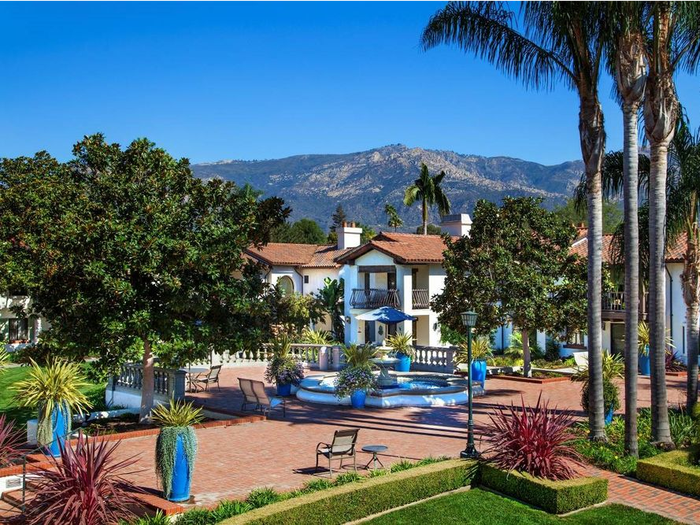
Historic Estate Resorts: Properties featuring manicured grounds and rich cultural surroundings. Restored historical architecture can sometimes present accessibility challenges despite modern updates.
-
Mineral Spring Spas: Locations built around natural hot springs and therapeutic mud treatments, supported by credentialed medical personnel.
-
Urban Luxury Hotels: Properties located in major cultural centers with direct access to museums, theaters, and top-tier medical facilities.
Property Infrastructure Comparison
| Property Category | Accessibility Rating | Clinical Wellness Access | Climate Predictability | Transit Dependence |
| Coastal Retreats | High (Flat, Stepless) | Moderate to High | High (Mild Marine) | Low (Self-Contained) |
| Desert Enclaves | High (Modern Build) | High (Full Medical On-Site) | High (Dry/Warm) | Moderate (Shuttle Use) |
| Alpine Sanctuaries | Moderate (Inclines) | Moderate (Wellness Focus) | Variable (Snow/Cold) | High (Private Vehicle) |
| Historic Estates | Variable (Steps/Paving) | Low to Moderate | Moderate | Moderate |
Subheading: Decision Logic Protocols
Reviewing the features of luxury senior resorts usa helps travelers select properties that align with their physical capabilities and healthcare requirements.
Choosing flat, climate-controlled properties reduces physical strain, while locations with on-site clinical support offer reliable safety for guests with ongoing health needs.
Detailed Real-World Scenarios
Scenario 1: Managing Dietary and Mobility Needs at a Coastal Resort
-
Context: A guest with reduced mobility and strict dietary restrictions stays at a coastal property.
-
Constraints: Requires step-free access to all dining venues and specialized low-sodium meal preparation.
-
Decision Mechanics: The resort assigns a dedicated butler to manage accessible golf cart transport and coordinate daily menus with the executive chef.
-
Outcome: The guest navigates the property comfortably and maintains their dietary routine without disruption.
Scenario 2: Handling Altitude Adaptation at an Alpine Resort
-
Context: A couple travels to a mountain sanctuary situated at 7,500 feet above sea level.
-
Constraints: One traveler has mild cardiovascular sensitivity, requiring gradual climate adaptation.
-
Decision Mechanics: The resort arranges in-suite supplemental oxygen, monitors blood oxygen levels, and limits strenuous activities during the first two days.
-
Mitigation: Structured pacing prevents altitude sickness and ensures a safe, relaxing stay.
Scenario 3: Emergency Care Response at a Desert Property
-
Context: A guest experiences acute chest discomfort while staying at a secluded desert retreat.
-
Constraints: The property is located 25 miles from the nearest major hospital.
-
Decision Mechanics: On-site medical staff perform an immediate preliminary assessment, administer emergency protocols, and coordinate a direct transfer to an acute care center.
-
Second-Order Effects: Established emergency transport protocols prevent treatment delays and ensure proper medical care.
Planning, Cost, and Resource Dynamics
Financial Models and Expense Frameworks
Rates for high-end properties vary based on inclusion levels, specialized medical support, and seasonal demand.
| Pricing Tier | Nightly Rate Range | Included Services | Out-of-Pocket Extras |
| Premium All-Inclusive | $1,500 – $2,800 | Full dining, basic spa, local transfers | Specialized medical tests, private security |
| A La Carte Luxury | $900 – $1,800 | Suite lodging, basic concierge access | Fine dining, wellness therapies, shuttles |
| Medical Longevity | $3,000 – $5,500+ | Comprehensive health diagnostics, dining | Advanced clinical treatments, specialized care |
Subheading: Understanding Indirect and Opportunity Costs
Beyond base room charges, guests should budget for specialized travel arrangements, such as private medical transports or custom culinary plans. Choosing non-refundable bookings creates financial exposure if health shifts require last-minute itinerary changes.
Tools, Strategies, and Support Systems
Deploying specialized planning resources ensures a smooth, comfortable stay at top-tier destinations:
-
Dedicated Medical Concierge Services: Staff members who coordinate local physician visits, manage prescription refills, and arrange medical equipment rentals.
-
Universal Design Room Audits: Direct verification checklists used to confirm door widths, shower grab bars, and bed heights before arrival.
-
Non-Emergency Air Ambulance Subscriptions: Specialized membership programs that cover private medical flights if acute health shifts occur during a trip.
-
Pre-Arrival Culinary Surveys: Comprehensive dietary questionnaires sent to resort chefs to establish custom meal protocols ahead of check-in.
-
Private Ground Mobility Services: Door-to-door transportation options featuring wheelchair-accessible vehicles and trained drivers.
-
Acoustic Room Mapping Tools: Systems used by resort managers to assign quiet, low-traffic suites to guests sensitive to noise.
Risk Landscape and Failure Modes
Operational Risk Categories
Subheading: Preventing Compounding Disruptions
Minor logistical issues—such as a non-functioning elevator combined with unexpected hot weather—can quickly cause physical exhaustion. Selecting properties with built-in backup systems, like secondary ground-floor suites and emergency generators, mitigates these risks.
Governance, Maintenance, and Long-Term Adaptation
Evaluating properties on an ongoing basis helps ensure they maintain high accessibility standards and quality service.
Property Safety Assessment Checklist
-
Inspect Entrance Thresholds: Ensure all primary pathways feature step-free transitions and non-slip surfaces.
-
Test Emergency Alert Systems: Confirm in-suite assistance buttons connect directly to 24-hour medical personnel.
-
Verify HVAC Air Filtration: Check that suites use HEPA filtration systems to maintain high indoor air quality.
-
Review Staff Emergency Training: Confirm front-desk staff hold current certifications in basic life support and CPR.
Measurement, Tracking, and Evaluation
Using clear evaluation metrics helps guests choose properties that match their health and mobility needs.
Key Quality Metrics
Subheading: Essential Travel Records
-
Comprehensive Health Summaries: A updated document detailing ongoing conditions, attending physician notes, and current medications.
-
Emergency Medical Insurance Contracts: Written verification detailing coverage limits for emergency transfers and non-hospital treatments.
-
Property Accessibility Approvals: Direct email confirmations from resort management detailing confirmed room features and transportation setups.
Common Misconceptions and Oversimplifications
1. “All High-End Resorts Provide Full Physical Accessibility”
Reality: High nightly rates do not guarantee universal design. Historic properties often have architectural limitations that restrict full mobility access.
2. “Resort Spas Offer Genuine Medical Care”
Reality: Traditional spa treatments focus on relaxation rather than clinical healthcare. True preventative wellness requires credentialed healthcare professionals.
3. “All-Inclusive Pricing Covers Every Wellness Need”
Reality: Specialized diagnostic testing, private nursing support, and custom medical meal plans usually incur extra fees.
4. “High-Altitude Destinations Are Fine for Everyone with Proper Rest”
Reality: Mountain environments can worsen underlying heart or lung conditions, requiring medical clearance before booking.
5. “Urban Luxury Hotels Lack Relaxing Wellness Options”
Reality: Top urban properties often feature state-of-the-art wellness centers, flat city access, and immediate proximity to major medical centers.
Ethical, Practical, and Contextual Considerations
Promoting universal design across luxury senior resorts usa encourages broader accessibility standards in the hospitality sector. Choosing properties that prioritize inclusive architecture and fair labor practices supports sustainable, respectful tourism for travelers of all physical capabilities.
Conclusion
Selecting premier destinations requires a careful balance of physical accessibility, medical safety, environmental comfort, and fine hospitality. Evaluating properties using clear operational metrics allows guests to plan restful, secure, and rewarding stays. Thorough preparation ensures every trip remains comfortable, safe, and tailored to personal needs.