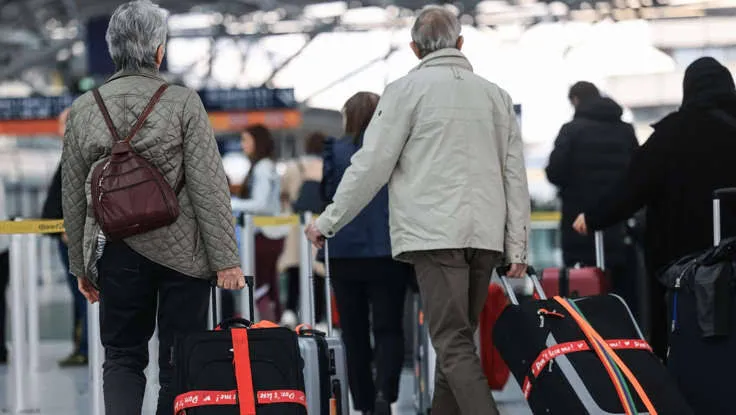
Common Senior Packing Mistakes: Essential Travel Prep Strategy
Travel logistics for older adults require a thoughtful balance between physical independence, health management, and transit efficiency. Preparing for travel involves more than just selecting clothing; it requires managing medication schedules, navigating mobility restrictions, and adapting to modern security standards. Simple omissions during packing can quickly turn a peaceful vacation into a stressful ordeal.
Excessive baggage weight, unorganized prescriptions, and inadequate footwear selections frequently disrupt carefully planned itineraries. Overpacking often stems from a natural desire to prepare for unexpected circumstances during extended travel. Carrying heavy bags through busy airports strains joints, increases fatigue, and elevates risk of physical injury.
Addressing these travel preparation errors requires a structured system that aligns personal mobility, medical requirements, and transit conditions. Modern travel demands streamlined packing strategies that prioritize accessibility, comfort, and physical safety. Recognizing these luggage management missteps helps senior travelers protect their health, maintain mobility, and travel with confidence.
Understanding “Common Senior Packing Mistakes”
Managing travel luggage successfully requires looking beyond basic luggage size limits. It demands a systematic framework that aligns physical capabilities, medical needs, and transit logistics.
Core Strategic and Logistics Pillars
Systematic luggage management rests upon four fundamental operational pillars:
-
Medical Contingency Management: Securing essential medications in carry-on bags alongside written physician summaries and original prescription bottles.
-
Ergonomic Luggage Selection: Choosing lightweight, multi-directional spinner luggage to reduce shoulder strain and joint stress.
-
Apparel Streamlining: Selecting versatile, climate-appropriate layers and supportive footwear to avoid carrying excessive baggage weight.
-
Transit Accessibility Protocols: Organizing vital travel documents, electronic devices, and daily supplies within easy reach during transit.
Comprehensive Packing Oversight Matrix
Balancing physical comfort with essential supplies requires coordinating medication organization, luggage selection, and transit logistics. Systematic preparation prevents common senior packing mistakes and ensures seamless travel.
When travelers evaluate common senior packing mistakes, identifying mobility constraints and medication requirements prevents unexpected disruptions during transit.
Structural Nuances in Senior Luggage Management
Traditional packing methods focused primarily on clothing choices and destination weather. Modern travel logistics involve strict carry-on weight limits, heightened airport security rules, and complex transit connections.
Prescription Storage Placement
Placing daily medications inside checked baggage creates severe health risks during flight delays or lost luggage incidents. Prescriptions must remain accessible within carry-on bags throughout every leg of the journey.
Ergonomic Weight Distribution
Packing dense, heavy items near the top of rolling luggage alters its center of gravity. Proper weight distribution places heavy gear near the bottom wheels, improving maneuverability and preventing tipping.
Deep Contextual Background
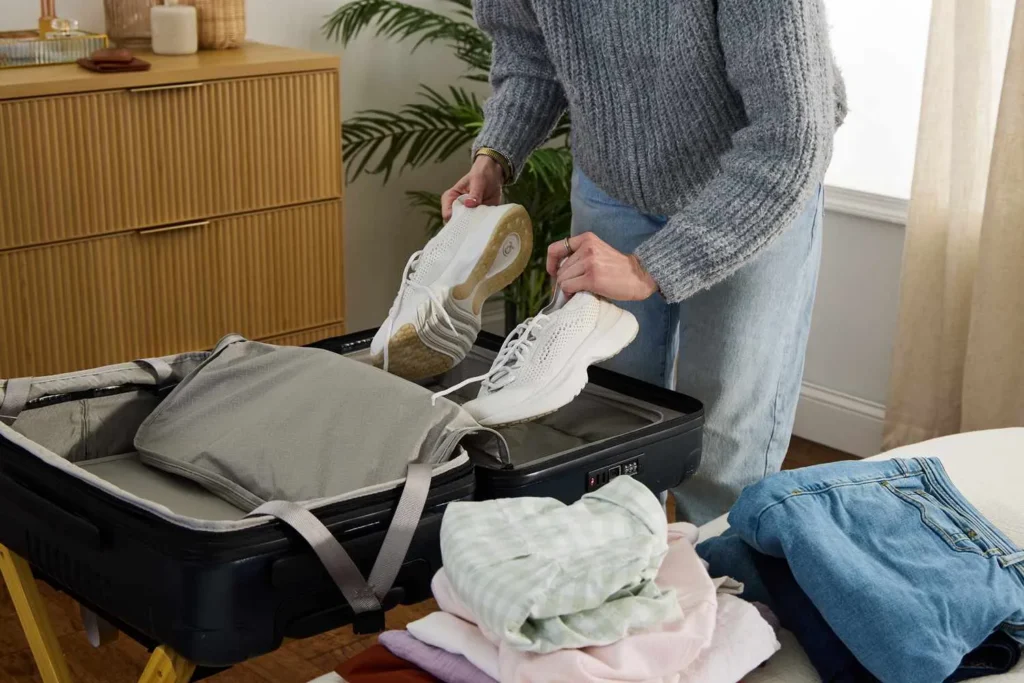
The evolution of travel luggage mirrors broader shifts in global transportation networks, medical care standards, and physical mobility design over recent decades.
Evolution of Luggage Infrastructure and Standards
Early passenger travel relied on heavy trunks, rigid leather suitcases, and manual luggage handling services at train stations.
Subsequent developments introduced lightweight polycarbonate shells, multi-directional spinner wheels, and segmented internal compartments. These design innovations allow mature travelers to navigate busy terminals with minimal physical exertion.
Shift Toward Independent Senior Mobility
Contemporary retired adults travel more frequently and independently than previous generations. Managing modern airport security guidelines and tight transit connections requires streamlined packing strategies that preserve energy and protect physical well-being.
Conceptual Frameworks and Mental Models
Systematic packing strategies rely on structured analytical models to balance medical needs, luggage weight, and mobility requirements before departure.
Framework 1: The Essential Accessibility Ratio (EAR)
The EAR model determines the optimal distribution of travel supplies between carry-on bags and checked luggage based on urgency.
-
Optimal Carry-On Ratio: Packing all essential health supplies, daily prescriptions, and a change of clothes in carry-on bags guarantees safety during transit delays.
-
High-Risk Ratio: Storing essential prescriptions or medical devices inside checked luggage exposes travelers to severe health disruptions if bags are delayed.
Framework 2: The Ergonomic Load-to-Mobility Model (ELMM)
This framework evaluates how total baggage weight influences joint health, energy reserves, and walking stability during long travel days.
Key Categories or Variations
Organizing travel gear involves choosing appropriate luggage formats, organizing medication systems, selecting supportive apparel, and managing transit documentation.
Comparison of Primary Packing Strategies
| Packing Category | Physical Strain Level | Medical Safety | Transit Flexibility | Luggage Complexity |
| Ultra-Light Carry-On Only | Low | High | Very High | Minimal |
| Standard Checked + Carry-On | Moderate | High | Moderate | Standard |
| Over-Packed Multi-Bag System | High | Low (Risk of Loss) | Low | High |
| Specialized Medical Travel Kit | Minimal | Very High | High | Focused |
Medical and Prescription Management Systems
Organizing prescriptions effectively represents the single most important aspect of travel preparation for older adults.
Primary Advantages
-
Keeps daily prescription regimens intact using clearly labeled pill organizers paired with original pharmacy bottles.
-
Provides doctor letters and prescription documentation to streamline airport security checks and foreign customs inspections.
Operational Limitations
-
Requires dedicated space within carry-on bags, reducing room for personal belongings and extra apparel.
Ergonomic Apparel and Footwear Selection
Selecting versatile clothing and supportive shoes protects joint health while keeping total luggage weight manageable.
Primary Advantages
-
Reduces overall baggage weight by utilizing lightweight, moisture-wicking fabrics that wash easily and dry overnight.
-
Supportive walking shoes with cushioned soles prevent foot pain, maintain balance, and reduce fatigue on rough terrain.
Operational Limitations
-
Bulky winter coats and specialized hiking boots require significant luggage volume if packed instead of worn during transit.
Detailed Real-World Scenarios
Analyzing practical travel scenarios demonstrates how packing choices, medication management, and luggage selection impact real-world journeys.
Scenario A: Navigating International Transit and Connections
An older traveler books a multi-leg flight to Europe involving tight connecting flights.
-
Operational Need: Maintaining continuous access to daily heart medications during tight airport connections and potential flight delays.
-
Critical Risk: Storing prescriptions in checked luggage creates extreme health risks if bags are misplaced during flight transfers.
-
Strategic Choice: Keeping all medications in a dedicated carry-on pouch alongside original prescription labels and doctor summaries.
Scenario B: Managing Heavy Luggage on Regional Rail Journeys
A senior couple embarks on a multi-city train tour requiring frequent platform transfers.
Operational Assessment
-
Narrow train aisles and steep boarding stairs make heavy, oversized suitcases difficult and dangerous to maneuver.
-
Carrying heavy bags through busy train stations causes joint fatigue and increases fall risks.
Strategic Solution
-
Switching to lightweight spinner suitcases weighing under twenty-five pounds each.
-
Utilizing internal compression packing cubes to maximize space without adding physical weight.
Planning, Cost, and Resource Dynamics
Budgeting for travel gear involves evaluating high-quality ergonomic luggage, specialized medical organizers, compression tools, and supportive footwear.
Estimated Costs for Senior Packing Gear and Tools
| Resource Category | Budget Tier | Premium Tier | Primary Operational Benefit |
| Ergonomic Spinner Luggage | $70 – $130 | $200 – $400 | Reduces wrist strain; improves maneuverability |
| Medical Travel Bags | $15 – $35 | $45 – $90 | Organizes daily pills; keeps prescriptions safe |
| Compression Packing Cubes | $20 – $40 | $50 – $85 | Streamlines clothing volume; keeps gear organized |
| Supportive Travel Footwear | $80 – $140 | $160 – $260 | Protects joint health; improves walking stability |
Optimizing Luggage Weight and Volume
Utilizing internal packing cubes, rolling apparel instead of folding, and selecting multi-use clothing layers reduces luggage volume by twenty to thirty percent.
Recognizing common senior packing mistakes helps travelers conduct thorough pre-trip audits, preventing physical strain and health disruptions.
Tools, Strategies, and Support Systems
Utilizing ergonomic luggage, digital packing checklists, and organized medical cases helps older adults manage travel gear efficiently.
Essential Packing and Luggage Resources
-
Lightweight Four-Wheel Spinner Suitcases: Multi-directional luggage that glides smoothly beside the traveler, eliminating shoulder and arm strain.
-
Dedicated Medical Pouch: Compact, spill-resistant carry-on bags designed to house prescription bottles, medical documentation, and daily organizers.
-
Internal Compression Cubes: Fabric packing modules that organize clothing items by category while compressing volume.
-
Digital Luggage Scales: Portable scales that weigh bags before departing, helping travelers avoid unexpected airport fee surcharges.
Risk Landscape and Failure Modes
Improper travel preparation introduces distinct operational risks that can lead to physical injury, lost prescriptions, or financial loss.
Physical overexertion represents a major safety hazard. Lifting heavy suitcases into overhead bins or pulling oversized bags over cobblestone streets strains shoulder, back, and wrist joints.
Misplacing prescriptions during transit creates severe health challenges. Accessing replacement medications in unfamiliar or foreign destinations takes time and requires physician consultations.
Governance, Maintenance, and Long-Term Adaptation
Adapting luggage choices, apparel systems, and medication routines as physical needs change ensures safe and comfortable travel over time.
Strategic Packing Adaptation Tiers
Evaluating physical fatigue levels after every trip allows travelers to adjust luggage weight limits and clothing selections for future itineraries.
Measurement, Tracking, and Evaluation
Tracking total luggage weight and monitoring mobility comfort helps travelers refine packing strategies for future journeys.
Key Evaluation Metrics
-
Total Baggage Weight Ratio: Measuring suitcase weight against personal lifting capacity to prevent joint strain and fatigue.
-
Medication Accessibility Index: Verifying that all daily prescriptions and medical records remain instantly accessible inside carry-on bags.
-
Mobility Strain Score: Assessing joint discomfort and fatigue after navigating transit terminals to identify needed luggage upgrades.
Common Misconceptions and Oversimplifications
Clearing up widespread travel myths helps mature adults prepare realistic, comfortable, and safe travel luggage.
-
Myth: Packing extra clothes for every possible scenario is necessary for long trips.
Fact: Overpacking increases luggage weight; utilizing destination laundry services keeps bags lightweight and easy to manage.
-
Myth: Placing daily prescription bottles in checked baggage is safe if locked securely.
Fact: Baggage delays occur frequently; daily medications must always remain in carry-on bags to ensure health safety.
-
Myth: Two-wheeled rolling suitcases are easier to handle than four-wheeled spinner models.
Fact: Two-wheeled bags force the traveler to pull weight behind them, while four-wheeled spinners roll effortlessly alongside.
Ethical, Practical, or Contextual Considerations
Balancing self-reliance with physical safety represents a key consideration during travel preparation. Trying to carry oversized bags to maintain complete independence often increases physical fatigue and fall hazards.
Accepting luggage assistance from airport staff, using curbside baggage drop-off services, and choosing lightweight luggage systems protects physical health while preserving travel independence.
Conclusion
Preventing common packing mistakes requires balancing lightweight luggage selection, organized prescription management, supportive footwear, and streamlined apparel choices. Utilizing multi-directional spinner bags, keeping medications inside carry-on pouches, and conducting pre-trip weight checks enables older adults to navigate transit terminals with confidence.