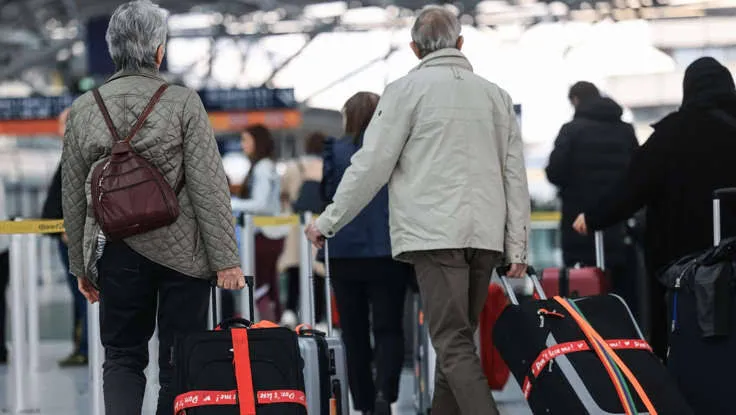
How to Avoid Senior Flight Delays: Comprehensive Strategic & Logistics Manual
Commercial aviation operates as a tightly coupled system where minor disruptions cascade into major delays. For older passengers, flight delays present challenges beyond simple schedule inconvenience. Prolonged gate waits, sudden terminal changes, and missed connections place significant physical and emotional strain on mature travelers. Managing these risks requires an analytical understanding of airline operations, hub logistics, and airport infrastructure.
Air travel disruptions stem from structural causes like air traffic congestion, crew scheduling limits, and maintenance routines. Passengers cannot control weather or airspace restrictions. However, route selection, departure timing, and airport transit strategy significantly alter exposure to schedule risks. Minimizing flight disruption requires looking beyond price to analyze operational reliability metrics.
Developing a resilient travel plan requires evaluating historical flight performance, connection buffer windows, and special assistance workflows. A proactive routing strategy protects physical stamina while drastically lowering the risk of stranded connections. This comprehensive pillar manual delivers an analytical framework designed to help older adults, family coordinators, and care managers systematically navigate aviation logistics and secure predictable travel outcomes.
How to Avoid Senior Flight Delays
Mitigating flight disruptions requires recognizing that airline schedules decay as the operating day progresses. Aircraft rotate through multiple flight legs daily, meaning a late arrival in the morning creates compounding delays for afternoon departures.
Operational Pillars of Disruption Prevention
An effective delay reduction strategy relies on four core operational pillars:
-
Temporal Isolation: Booking early morning departures before airspace congestion and cascading crew delays accumulate.
-
Hub Architecture Selection: Avoiding congested hub airports prone to severe weather shutdowns or long tarmac delays.
-
Connection Window Buffering: Structuring layovers with sufficient time for low-stamina transit across large terminals.
-
Mobility Service Integration: Arranging wheelchair assistance and gate transfers in advance to bypass long security and boarding lines.
Avoiding Common Routing Mistakes
Travelers frequently select flights based solely on short travel durations or low fares. Selecting tight 45-minute connection windows at massive international hubs creates extreme vulnerability. A minor 15-minute tarmac hold easily transforms into a missed connection, stranding older adults in unfamiliar terminals. Understanding how to avoid senior flight delays involves choosing direct routes, building generous layover buffers, and utilizing flight history data to select reliable departures.
Deep Contextual Background
The commercial airline industry has underwent major operational shifts over the past four decades. Deregulation, tight fleet utilization, and hub-and-spoke networks have transformed air travel efficiency while increasing systemic delay risks.
Evolution of Airline Hub Operations
In earlier aviation eras, airlines maintained spare aircraft and standby flight crews at regional outstations. This operational buffer allowed carriers to swap aircraft quickly when mechanical issues occurred.

Modern airline economics demand high aircraft utilization, with planes flying up to fourteen hours daily. Consequently, when an aircraft experiences a maintenance hold or weather delay early in the day, the disruption propagates through subsequent flights. Understanding this systemic tightness helps travelers choose departure windows that minimize disruption exposure.
Accessibility Infrastructure Expansion
Simultaneously, regulatory frameworks like the Air Carrier Access Act improved airport accessibility standards. Modern airports now feature electric cart transport, dedicated assistance lounges, and standardized wheelchair dispatch systems. Integrating these airport services into flight itineraries protects traveler stamina during unexpected schedule adjustments.
Conceptual Frameworks and Mental Models
Systematic flight planning relies on objective operational evaluation models. Travelers can utilize specific mental frameworks to assess route reliability, buffer safety, and physical stamina demands.
Framework 1: The Schedule Decay Factor (SDF)
The SDF model measures how delay probability increases across operating hours within commercial airport networks.
-
High SDF Score (> 4.0): Characterized by early morning departures (6:00 AM – 8:30 AM) with high historical on-time performance.
-
Moderate SDF Score (2.0 – 3.9): Mid-day flights subject to minor airspace traffic holds.
-
Low SDF Score (< 2.0): Late afternoon and evening departures vulnerable to compounding nationwide delays.
Framework 2: The Physical Stamina vs. Layover Buffer Balance
Structuring layover windows requires balancing physical resting periods against terminal walking distances.
Key Categories and Routing Variations
Choosing an optimal flight itinerary requires comparing distinct routing structures. Every routing model presents trade-offs regarding financial cost, physical exertion, and schedule reliability.
Comparison of Flight Routing Models
| Routing Category | On-Time Reliability | Physical Demand Level | Connection Failure Risk | Total Travel Time |
| Direct Non-Stop Flights | Highest | Lowest | Zero Connection Risk | Shortest |
| Mid-Day Hub Connections | Moderate | Moderate to High | Moderate | Extended |
| Regional Airport Routes | High | Low | Low | Variable |
| Multi-Carrier Itineraries | Low | Highest | Highest | Unpredictable |
| Early Morning First-Wave | Highest | Low (Early Start) | Lowest | Predictable |
Direct Non-Stop Routing
Direct flights eliminate connection risks entirely, making them the safest itinerary choice for mature travelers.
-
Pros: Zero risk of missed connections, minimal baggage handling steps, and shorter travel days.
-
Cons: Higher ticket fares and limited destination coverage from non-hub regional airports.
First-Wave Departure Strategy
Booking the first flight departure of the day ensures the aircraft is already at the gate overnight.
-
Pros: Cleared morning airspace, rested flight crews, and immunity from prior flight disruptions.
-
Cons: Requires early morning airport arrivals that may disrupt sleep schedules.
Detailed Real-World Scenarios
Analyzing practical flight scenarios illustrates how departure timing, hub choices, and mobility support interact during air travel disruptions.
Scenario A: Navigating a Connecting Flight Through a Severe Weather Hub
A 74-year-old traveler flies from Atlanta to Seattle, connecting through a midwestern hub prone to afternoon thunderstorms.
-
Operational Need: Booking a two-hour layover window and arranging gate-to-gate wheelchair transport.
-
Critical Risk: A 30-minute flight hold causing a missed connection, leaving the passenger stranded overnight.
-
Mitigation Strategy: Select a morning departure connecting through a secondary hub with favorable weather forecasts.
Scenario B: Managing International Flight Disruption and Mobility Limits
An 81-year-old passenger travels internationally with a single connection at a major European gateway airport.
-
Operational Need: Securing electric cart transport between international terminals and organizing baggage transfers.
-
Critical Risk: Terminal changes requiring long security walks and shuttle transfers during a brief layover.
-
Mitigation Strategy: Book a three-hour layover, select a single-carrier ticket, and confirm special assistance codes 72 hours before departure.
Planning, Cost, and Resource Dynamics
Financial budgeting for air travel requires balancing ticket price differences against hidden delay expenses like emergency hotel stays and airport meals.
Cost Dynamics of Reliable Travel Strategies
| Planning Choice | Average Price Variance | Operational Benefit | Long-Term Value Impact |
| Non-Stop vs. Connecting Ticket | 20% – 40% higher fare | Eliminates layover risk | Saves stamina and hotel costs |
| Morning vs. Evening Departure | 10% – 20% higher fare | Maximizes on-time arrival | Avoids overnight cancellations |
| Airport Hotel Pre-Night Stay | $150 – $280 per night | Eliminates morning rush | Ensures rested departure |
| Comprehensive Travel Insurance | 6% – 10% of total trip | Reimburses disruption fees | Protects prepaid arrangements |
Managing Hidden Financial Risks
To understand how to avoid senior flight delays, travelers must account for indirect disruption costs. Flight cancellations often force unexpected expenditures, including:
-
Unplanned Airport Hotel Stays: Last-minute lodging bookings during widespread regional cancellations.
-
Terminal Meal Surcharges: Expensive airport food costs during extended gate holds.
-
Emergency Ground Transportation: Last-minute taxi or rideshare fares between alternative arrival airports.
Tools, Strategies, and Support Systems
Deploying digital tracking tools and specialized support networks helps travelers monitor flight status and manage terminal navigation.
Essential Flight Support Systems
-
Flight Status Tracking Applications: Digital tools providing real-time inbound aircraft location updates and gate change alerts.
-
Special Assistance Service Codes: Standardized airline booking request codes (WCHR, WCHS, WCHC) securing dedicated wheelchair support.
-
Airport Lounge Day Passes: Access to quiet terminal lounges featuring comfortable seating, accessible restrooms, and dedicated customer service agents.
-
TSA Cares Concierge Support: Federal assistance programs offering dedicated screening guidance for travelers with disabilities or medical conditions.
Risk Landscape and Failure Modes
Unplanned flight disruptions create physical fatigue and logistical confusion. Identifying systemic failure points allows travelers to build effective backup plans.
A critical failure mode occurs when late afternoon flights suffer crew duty time expirations. When pilots exceed legal duty limits during ground delays, airlines must locate replacement crews, frequently causing full flight cancellations.
Another failure mode involves booking separate tickets across unpartnered airlines. If the first flight incurs a delay, the secondary airline marks the passenger as a no-show, forfeiting the remaining ticket value.
Governance, Maintenance, and Long-Term Adaptation
Maintaining air travel independence requires monitoring personal physical stamina and adapting routing preferences over time.
Travel Adaptation Spectrum
Travelers should review their comfort levels with terminal walking distances and flight lengths regularly. Transitioning to direct morning flights ensures continued travel comfort without unnecessary physical exhaustion.
Measurement, Tracking, and Evaluation
Tracking flight performance metrics helps travelers evaluate airline reliability and select dependable routes for future trips.
Key Tracking Metrics
-
Historical On-Time Arrival Percentage: Checking specific flight number performance history prior to purchasing tickets.
-
Terminal Walking Distance Audits: Evaluating connection gate walking spans using airport terminal maps.
-
Disruption Recovery Time: Tracking how quickly an airline rebooks passengers after flight cancellations.
Common Misconceptions and Oversimplifications
Clearing up widespread aviation myths prevents poor booking choices and frustrating travel disruptions.
-
Myth: Afternoon flights are less crowded and less prone to delay.
Fact: Afternoon departures experience the highest delay rates due to compounding nationwide airspace holds.
-
Myth: Airlines automatically provide hotel rooms during all flight delays.
Fact: Carriers only provide overnight lodging for delays caused by internal mechanical issues, excluding weather disruptions.
-
Myth: Requesting wheelchair assistance slows down terminal navigation.
Fact: Dedicated airport escorts utilize priority security lines and direct cart routes, accelerating gate transfers.
Ethical, Practical, and Contextual Considerations
Promoting accessible air travel encourages universal design improvements across international transport hubs. When mature travelers request mobility support and utilize accessible infrastructure, they encourage airports to maintain high service standards.
Additionally, booking direct morning flights reduces environmental impacts caused by multiple takeoff cycles and extended tarmac idling during hub congestion periods.
Conclusion
Minimizing air travel disruptions requires an analytical strategy focused on flight timing, hub selection, and mobility support integration. Understanding how to avoid senior flight delays empowers mature adults to navigate commercial aviation with confidence and comfort.
Selecting early morning non-stop departures, building generous connection buffers, and arranging airport assistance prevents physical exhaustion and schedule breakdowns. Thorough logistical preparation ensures every journey remains safe, predictable, and stress-free.