Luxury Senior Retreats America: High-End Health & Resort Architecture Analysis
High-end leisure retreats for mature travelers represent a sophisticated intersection of hospitality, architectural design, preventive wellness, and specialized logistics. Selecting premier destinations across North America requires looking past marketing aesthetics to analyze operational frameworks. Modern luxury establishments cater to guests who desire elevated comfort, private wellness programs, and tailored environmental accessibility.
Evaluating premier estate properties demands a rigorous assessment of physical terrain, emergency medical accessibility, tailored nutrition programs, and staff-to-guest ratios. While coastal estates present sea-level comfort and soothing marine climates, mountain sanctuaries introduce high-altitude variables and steep environmental gradients. Furthermore, seasonal climate shifts, regional medical capabilities, and private transit arrangements introduce distinct operational layers. Managing these elements helps travelers enjoy secluded retreats without compromising personal safety or physical well-being.
Determining suitable luxury properties requires examining step-free architectural flows, private clinical support networks, wellness customization, and seasonal occupancy patterns. Understanding spatial design, environmental dynamics, and concierge logistics enables older adults to select properties that match their lifestyle preferences and health requirements.
Understanding Luxury Senior Retreats America
Evaluating high-end retreats for mature guests requires examining invisible operational capabilities alongside visible aesthetic grandeur. A retreat’s true distinction lies in its ability to combine refined luxury with unobtrusive physical accessibility and specialized health support.
Essential Operational and Architectural Dimensions
A property’s operational success relies on several core architectural and service pillars that directly influence guest comfort and physical safety:
-
Universal Spatial Flow: Step-free transitions, wide hallways, zero-threshold showers, and integrated residential elevators hidden within elegant decor.
-
On-Site Health Logistics: On-demand medical professionals, private wellness suites, and discreet emergency coordination protocols.
-
Tailored Culinary Programs: Executive chefs crafting custom nutritional regimens that align with specific metabolic or cardiovascular guidelines.
-
Discreet Personal Support: Highly trained staff members providing personalized assistance without disrupting guest privacy or independence.
Environmental Variables and Terrain Dynamics
Physical comfort depends on matching individual mobility and wellness goals with specific regional geography. Desert sanctuaries offer low humidity and warmth, while forest retreats present elevated humidity and shaded wilderness paths.
When evaluating luxury senior retreats america, selecting properties featuring flat terrain and ocean-level atmospheric pressure minimizes physical fatigue during extended stays.
Architectural Variability Across High-End Properties
Historic luxury grand hotels established in the early twentieth century often feature grand staircases and narrow stone corridors. Modern luxury wellness compounds built in the twenty-first century integrate subtle ramp systems, automated entry points, and climate-controlled covered walkways.
Deep Contextual Background
The evolution of luxury retreats across North America reflects shifting paradigms in architectural engineering, preventive medicine, and high-end hospitality over the past century.
Evolution of High-End Hospitality for Mature Guests
Early American grand resorts relied on mineral springs and fresh mountain air, attracting wealthy travelers seeking natural restorative environments.
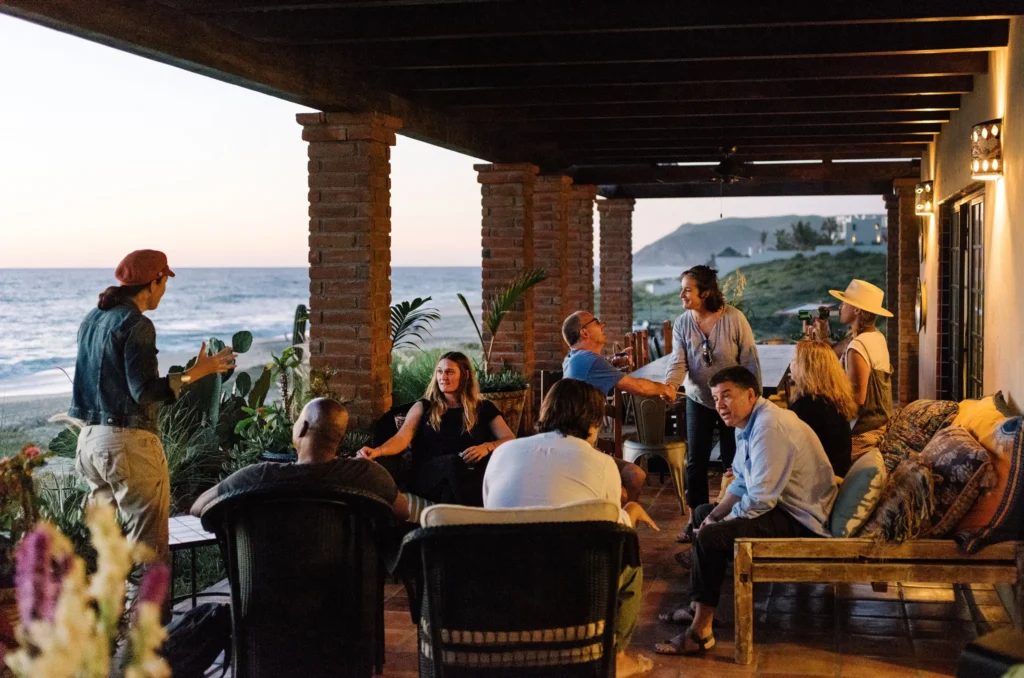
Subsequent architectural shifts prioritized integrated wellness compounds, blending private residential villas with clinical-grade spa facilities and personalized concierge services.
Impact of Integrated Preventive Wellness
The modern emergence of longevity medicine transformed traditional luxury hospitality. High-end properties increasingly partner with private medical networks, offering guests comprehensive health diagnostics, physical therapies, and tailored longevity routines during their stays.
Conceptual Frameworks and Mental Models
Selecting an ideal luxury retreat relies on analytical models that evaluate spatial layout, medical proximity, and lifestyle alignment before finalizing reservations.
Framework 1: The Invisible Accessibility Index (IAI)
The IAI model evaluates architectural quality by measuring how seamlessly step-free accessibility features are integrated into high-end residential decor.
-
Optimal IAI Rating: Continuous flush flooring featuring hidden residential lifts, zero-threshold entries, and non-slip polished surfaces.
-
Low IAI Rating: Multi-level historical structures with decorative stone steps, narrow doorways, and slippery marble tiles.
Framework 2: The Medical Concierge Response Matrix (MCRM)
This framework calculates safety security by evaluating on-site clinical staffing and emergency transfer capabilities.
Key Categories or Variations
Selecting a luxury destination requires assessing geographic location, climate conditions, wellness depth, and architectural accessibility across distinct American regions.
Comparison of Premier Luxury Retreat Profiles
| Retreat Category | Topography | Primary Wellness Focus | Accessibility Standard | Medical Coordination |
| Coastal Sanctuaries | Flat Sea-Level Plain | Aquatic Therapy & Longevity | Universal Flush Flooring | Immediate Regional Hospital |
| Desert Wellness Basins | Flat Valley Basin | Thermal Hydrotherapy & Detox | Step-Free Compound Trails | Private Clinic Partnerships |
| Mountain Havens | Elevated Plateaus | Alpine Fitness & Meditation | Elevator-Linked Buildings | Helicopter Air Transport |
| Historic Country Estates | Rolling Woodlands | Cultural Immersion & Arts | Modified Historic Layouts | Regional Trauma Center |
Coastal Longevity Sanctuaries
Coastal properties in regions like Southern California or Florida offer ocean-level atmospheric pressure, soothing climates, and extensive aquatic wellness centers.
Key Advantages
-
High atmospheric pressure and sea-level elevation minimize respiratory strain.
-
Heated salt-water hydrotherapy pools allow low-impact joint therapy and exercise.
Key Limitations
-
High coastal humidity during summer months can limit comfortable outdoor activity hours.
Desert Thermal Compounds
Desert retreats in locations like Scottsdale or Ojai provide low humidity, consistent sunshine, and specialized thermal spring facilities.
Key Advantages
-
Warm climate reduces joint stiffness and promotes daily outdoor movement.
-
Spacious ground-floor villa layouts eliminate the need for stairs or elevators.
Key Limitations
-
Intense midday sun requires guests to plan outdoor activities during morning hours.
Detailed Real-World Scenarios
Analyzing real-world scenarios demonstrates how geography, health profiles, and property logistics interact during luxury stays.
Scenario A: Managing High-Altitude Variables in Alpine Retreats
A mature guest with minor respiratory sensitivity books an autumn stay at an alpine wellness retreat located at 7,500 feet.
-
Operational Need: Minimizing respiratory strain while enjoying mountain vistas and alpine wellness amenities.
-
Critical Risk: Sudden physical exertion at high altitude causes headaches and fatigue.
-
Mitigation Strategy: Utilizing villa oxygen enrichment systems during initial days and scheduling flat valley strolls.
Scenario B: Hydrotherapy and Mobility Support in Desert Sanctuaries
A traveler recovering from joint replacement surgery seeks a four-week hydrotherapy program at a desert spa retreat.
Operational Assessment
-
Navigating slippery pool decks and steep pool access ladders presents fall risks.
-
Moving across sprawling resort grounds in extreme midday heat induces physical exhaustion.
Strategic Solution
-
Securing a private villa attached directly to the indoor hydrotherapy complex via a climate-controlled corridor.
-
Utilizing private electric cart transport with trained staff drivers for property transfers.
Planning, Cost, and Resource Dynamics
Budgeting for luxury senior retreats involves evaluating private villa tariffs, specialized medical wellness fees, custom culinary pricing, and private transit logistics.
Financial Structure of Premier Senior Retreats
| Expense Category | Typical Weekly Range | Services Included | Value Optimization Strategy |
| Private Villa Accommodation | $7,000 – $25,000 | Step-free suite, butler service, private plunge pool | Reserve shoulder-season weeks |
| Integrated Health Program | $3,500 – $12,000 | Comprehensive diagnostics, personal therapies | Select tailored wellness packages |
| Custom Culinary Services | $1,500 – $4,000 | Private chef meals, nutritional consultations | Include full-board dining inclusions |
| Private Medical Transit | $1,000 – $5,000 | Dedicated ground transfer, air ambulance retainers | Coordinate through property concierge |
Evaluating Value Inclusions and Private Retainers
Premier properties often structure pricing around comprehensive packages that combine luxury accommodations with private wellness services. Securing private villas on an extended stay basis frequently includes dedicated chauffeur services, private culinary staff, and specialized medical retainers.
Evaluating options for luxury senior retreats america requires analyzing both physical comfort and the depth of on-site wellness infrastructure.
Tools, Strategies, and Support Systems
Utilizing specialized planning channels ensures property layouts, medical capabilities, and dietary standards meet exact guest specifications before arrival.
Essential Luxury Retreat Selection Tools
-
Private Medical Travel Assessments: Detailed clinical evaluations conducted prior to booking to confirm property altitude and climate suitability.
-
Universal Design Property Audits: Architectural evaluations confirming zero-threshold doors, grab-bar integration, and non-slip surfaces.
-
Dedicated Concierge Health Briefings: Pre-arrival consultations with estate culinary and wellness staff to tailor daily routines.
-
Private Transport Logistics Services: Specialized medical transport providers ensuring comfortable door-to-door transit to remote estates.
Risk Landscape and Failure Modes
Visiting high-end retreats involves specific physical and environmental variables that require careful management to ensure a safe stay.
Isolation represents a primary risk at remote mountain or island estates. Transporting a guest to a major regional hospital during an unexpected medical event requires pre-arranged air transport protocols.
Subtle architectural hazards can also impact safety. Unmarked step transitions or decorative water features require careful staff orientation during initial arrival tours.
Governance, Maintenance, and Long-Term Adaptation
Adapting retreat selection strategies over time allows mature travelers to continue enjoying luxury travel as mobility needs evolve.
Strategic Travel Evolution Stages
Reviewing physical energy levels after each stay helps guests refine future retreat choices. Transitioning toward sea-level coastal estates preserves vitality while maintaining high standards of luxury.
Measurement, Tracking, and Evaluation
Monitoring health parameters and service satisfaction helps refine future luxury retreat selections.
Key Tracking Parameters
-
Physical Energy Maintenance: Assessing daily vitality levels during wellness therapies and excursions.
-
Environmental Adaptation Rate: Measuring acclimatization time when visiting mountain or desert climates.
-
Architectural Flow Satisfaction: Evaluating how easily guest quarters connect to central dining and spa facilities.
Common Misconceptions and Oversimplifications
Clearing up common luxury travel myths helps guests select properties that align with their health and mobility needs.
-
Myth: All five-star luxury resorts automatically feature universal accessibility.
Fact: Historic luxury properties often feature architectural barriers like decorative staircases and narrow bath entries.
-
Myth: High-altitude mountain retreats are suitable for all wellness travelers.
Fact: Reduced oxygen pressure at high elevations can cause fatigue and sleep disruptions for guests with mild heart or lung conditions.
-
Myth: On-site spas provide clinical-grade physical therapy.
Fact: Standard resort spas focus on relaxation rather than therapeutic or medical-grade physical rehabilitation.
Ethical, Practical, or Contextual Considerations
Luxury retreats increasingly integrate sustainable architectural practices, supporting local conservation efforts and regional food systems. High-end estates that preserve natural surroundings while employing local artisan craftspeople contribute positively to neighboring rural economies.
Furthermore, properties that incorporate native landscaping and water conservation systems demonstrate environmental stewardship while offering guests serene natural settings.
Conclusion
Selecting premier luxury retreats across North America offers mature travelers a refined way to focus on health, relaxation, and physical well-being. Choosing properties with universal accessibility, comprehensive health logistics, and suitable regional climates ensures a safe and deeply restorative experience.
With thoughtful research and attention to personal health requirements, luxury retreat travel remains an enriching and transformative life investment.