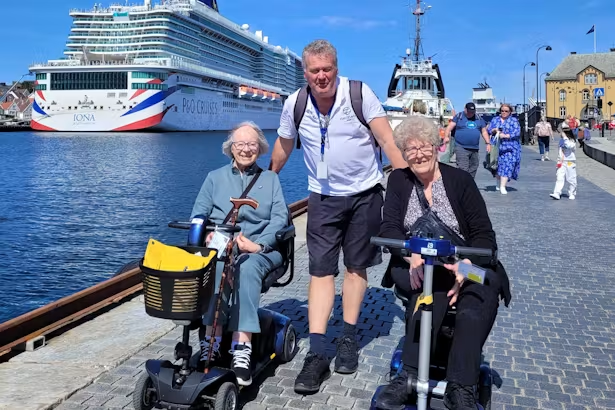
Strategic Evaluation of Senior Holiday Packages Plans: Itinerary Architecture and Logistics
Senior Holiday Packages Plans. Travel planning for mature adults requires balancing mobility preferences, health management, and logistics. Modern leisure itineraries must account for physical pacing, dietary needs, emergency medical access, and transport transitions. Superficial travel options often overlook these essential operational requirements.
Commercial travel marketing frequently misclassifies senior itineraries by bundling disparate demographics into generic, slow-paced group trips. However, effective travel design requires analyzing operational frameworks. Factors like flight connections, hotel accessibility, guide-to-guest ratios, and transit ergonomics determine whether a trip succeeds or fails.
Constructing a reliable long-distance itinerary demands a thorough understanding of systemic travel risks. Unpredictable airport delays, sudden weather shifts, physical fatigue, and unexpected medical events can disrupt poorly planned travel. Evaluating backend support systems, transit routes, and insurance coverage reveals how high-tier operators maintain safety while delivering engaging cultural experiences.
Understanding “Senior Holiday Packages Plans”
Designing travel for older demographics requires distinct structural considerations that differentiate it from general leisure travel. Industry operators often confuse simple slow-paced travel with genuinely accessible, well-supported itineraries.
Structural Parameters of Senior Travel Architecture
Reliable travel programs for mature adults rely on key infrastructural components that safeguard comfort and independence:
-
Pacing and Recovery Intervals: Itineraries must incorporate dedicated resting periods between active excursions to manage energy levels.
-
Access and Transit Logistics: Direct flights, ground-level hotel rooms, and step-free transit vehicles reduce physical strain.
-
Medical and Emergency Readiness: On-call medical support, clear hospital proximity mapping, and prescription assistance ensure guest safety.
-
Dietary and Environmental Controls: Customizable meal plans and climate-controlled accommodations protect guest health in diverse environments.
Evaluating Travel Program Reliability
Assessing travel offerings requires looking past promotional descriptions to examine transport routes, staffing models, and emergency protocols.
When evaluating options, confirming that operational structures match health and mobility requirements guarantees a safe experience. Understanding how modern senior holiday packages plans organize transit, pacing, and medical readiness helps travelers make informed choices.
Key Operational Differences in Itinerary Design
Standard group tours rely on tight schedules, early morning departures, and frequent hotel changes. Superior programs optimize every detail for physical comfort, safety, and cultural engagement.
Transit and Route Efficiency
Frequent hotel moves increase physical exhaustion and luggage handling risks. High-standard operators use single-hub accommodation models or slow-river cruises to minimize packing and transit disruptions.
Medical Coordination Infrastructure
Unexpected health concerns can quickly derail a trip without pre-arranged support. Top-tier providers establish direct protocols with regional medical centers and maintain dedicated support staff throughout the trip.
Deep Contextual Background

The evolution of senior leisure travel reflects broader shifts in demographic wealth, medical technology, and global transport infrastructure over recent decades.
Evolution of Mature Leisure Travel
Early senior travel offerings focused primarily on budget-friendly bus tours and rigid cruise lines with limited customization options.
Advancements in mobility aids, accessible air transit, and specialized travel logistics enabled the expansion of tailored itineraries into remote destinations. These developments allow mature travelers to explore diverse environments without sacrificing health or safety.
Demographic Shifts and Changing Preferences
Retiring generations are seeking active, culturally immersive travel rather than passive sightseeing. Modern itineraries reflect this change by offering curated experiences paired with high-tier hotel comforts and comprehensive safety standards.
Conceptual Frameworks and Mental Models
Systematic itinerary evaluation uses analytical frameworks to assess physical demands, transit risks, and health logistics before booking travel.
Framework 1: The Mobility-Fatigue Index (MFI)
The MFI model evaluates how travel daily routines affect guest physical energy levels over time.
-
Low-Fatigue Environments: Single-hotel stays with short, flat walking tours preserve energy for afternoon leisure.
-
High-Fatigue Environments: Multi-city tours requiring daily coach travel, uneven cobblestone paths, and warm weather accelerate exhaustion.
Framework 2: The Accessibility Assurance Matrix (AAM)
This matrix evaluates tour safety by reviewing hotel layouts, transit entry steps, guide qualifications, and meal options.
Key Categories or Variations
Options within structured senior travel fall into several distinct formats, each presenting unique trade-offs between pacing, group dynamics, and mobility support.
Comparison of Travel Itinerary Models
| Itinerary Model | Pacing Flexibility | Mobility Support | Medical Readiness | Group Dynamics |
| Small-Group Cultural Tours | Moderate | High | Dedicated Staff | Intimate (8–12 guests) |
| River River Cruises | High | Very High | Onboard Medical | Moderate (50–100) |
| Single-Hub Resort Stays | Very High | High | On-Call Local | Flexible / Independent |
| Escorted Private Rail | Moderate | Moderate | Station Support | Private / Custom |
Small-Group Cultural Tours
Small-group itineraries balance curated cultural immersion with personalized support and flexible daily timing.
Operational Advantages
-
Smaller group sizes allow guides to adjust walking speeds and tour durations based on real-time guest feedback.
-
Flexible transport arrangements enable direct access to boutique hotels and historic sites closed to large tour buses.
Operational Limitations
-
Cobblestone streets and historic architecture in older cities can present balance hazards for travelers with limited mobility.
River Cruises
River vessels provide continuous scenery without the physical strain of changing hotel rooms between destinations.
Operational Advantages
-
Docking directly in city centers minimizes bus transfers and offers step-free access to major cultural sites.
-
Onboard medical staff, accessible cabins, and flat decks ensure high levels of physical safety throughout the journey.
Operational Limitations
-
Water level fluctuations can occasionally alter river routes, requiring unexpected coach transfers between ports.
Detailed Real-World Scenarios
Reviewing realistic travel scenarios illustrates how route selection, climate factors, and mobility planning impact the overall trip experience.
Scenario A: A Two-Week Cultural Tour Through Southern Europe
A couple in their late seventies plans an autumn trip across historical European sites while managing joint pain and dietary restrictions.
-
Operational Need: Experiencing historic architecture while avoiding long daily walking tours on uneven surfaces.
-
Critical Risk: Navigating steep historic sites without adequate rest intervals increases fatigue and injury risks.
-
Strategic Choice: Booking a single-hub itinerary with private accessible transfers and built-in afternoon rest hours.
Scenario B: Coastal Expedition Cruise Along the Norwegian Fjords
A traveler recovering from knee surgery books a fjord cruise to experience northern landscapes safely.
Operational Review
-
Stable ship design and wide indoor viewing lounges offer comfortable sightseeing without physical strain.
-
Tender boat transfers at small ports require careful staff assistance to ensure safe boarding.
Strategic Plan
-
Reserving an accessible mid-ship cabin close to main elevators and the medical center.
-
Selecting low-impact bus excursions at coastal ports rather than guided hill hikes.
Planning, Cost, and Resource Dynamics
Budgeting for specialized travel involves evaluating base tour fees, single supplements, comprehensive travel insurance, and private mobility support.
Financial Requirements for Tailored Senior Travel
| Expense Category | River Cruise (10 Nights) | Cultural Tour (12 Nights) | Budget Management Approach |
| Base Tour Fare | $4,500 – $8,500 | $5,000 – $9,500 | Book shoulder-season departure dates |
| Medical Insurance | $400 – $1,200 | $500 – $1,500 | Secure policies covering pre-existing conditions |
| Private Transfers | $300 – $700 | $600 – $1,200 | Coordinate shared transfers with tour operators |
| Excursion Upgrades | Included in Base | $800 – $1,800 | Select key activities rather than full packages |
Essential Travel Verification Checklist
Inspecting accommodation layouts, flight connection times, medical coverage, and transit options prevents unexpected issues during travel.
Auditing these operational details ensures that senior holiday packages plans deliver a comfortable, safe, and fulfilling travel experience.
Tools, Strategies, and Support Systems
Modern tour operators use advanced logistics and specialized guest support services to maintain high safety standards during travel.
Essential On-Site Support Systems
-
Dedicated Mobility Assistants: Trained staff available during airport transit and tour walking segments to assist guests needing extra physical support.
-
24/7 Telemedicine Support: Direct satellite or cellular links to medical professionals for immediate guidance during non-emergency health concerns.
-
Ergonomic Luggage Logistics: Door-to-door luggage transfers that eliminate the physical burden of carrying bags through airports and hotels.
-
Customizable Itinerary Apps: Mobile tools that provide clear daily schedules, low-impact route suggestions, and real-time transit updates.
Risk Landscape and Failure Modes
Traveling in unfamiliar environments introduces logistical and environmental risks that require clear planning and emergency strategies.
Unmanaged physical fatigue represents a major operational risk. Quality operators address this by building flexible daily schedules and offering optional resting activities.
Unexpected medical events are managed by securing comprehensive travel policies that cover medical repatriation, pre-existing conditions, and emergency evacuations.
Governance, Maintenance, and Long-Term Adaptation
Tour providers serving mature travelers must continuously update accessibility standards, safety protocols, and staff training modules.
Service Quality Improvement Cycles
Regular operational reviews help travel companies refine their offerings and maintain high standards of guest safety and comfort.
Measurement, Tracking, and Evaluation
Assessing trip success involves monitoring key performance indicators across guest satisfaction, physical safety, and logistical execution.
Key Operational Performance Indicators
-
Pacing Satisfaction Score: Evaluating guest feedback on daily activity levels and rest period durations.
-
Transit On-Time Performance: Tracking schedule accuracy for transfers, flights, and excursion departures to avoid unnecessary waiting.
-
Incident-Free Operations Rate: Monitoring safety logs to minimize slips, trips, and unexpected health disruptions during tours.
Common Misconceptions and Oversimplifications
Clearing up common myths regarding structured senior travel helps travelers select itineraries that match their interests and capabilities.
-
Myth: Senior packages are only designed for travelers with severe physical limitations.
Fact: Modern itineraries cater to a wide range of activity levels, from active hiking tours to slow cultural immersion trips.
-
Myth: Group travel eliminates independence and personal exploration time.
Fact: Well-designed plans offer flexible daily options, allowing guests to explore independently or join group activities.
-
Myth: All-inclusive packages cover all necessary medical and emergency needs.
Fact: Basic travel packages rarely include comprehensive medical evacuation or coverage for pre-existing conditions without specific policy additions.
Ethical, Practical, or Contextual Considerations
Promoting responsible tourism involves ensuring that accessible travel infrastructure respects local environments and historic heritage. High-standard operators collaborate with local communities to provide authentic cultural experiences while supporting regional economies and accessible public services.
When travel programs prioritize both physical accessibility and cultural respect, mature travelers enjoy meaningful, safe, and enriching journeys worldwide.
Conclusion
Selecting the right travel itinerary requires careful evaluation of transit logistics, accommodation accessibility, pacing flexibility, and medical security. Choosing programs built around sound operational design, clear safety protocols, and adaptable schedules allows travelers to explore new destinations with confidence.