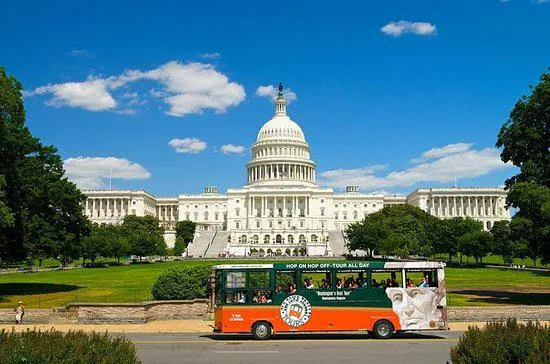
Senior Cultural Tours USA: Heritage Travel & Arts Guide
Cultural travel across North America offers mature adults immersive access to historic architecture, museum collections, musical traditions, and regional heritage. Designing enriched cultural journeys requires balancing intellectual engagement with physical comfort and accessible venue logistics. Unanticipated walking distances, crowded exhibition schedules, and poor acoustic settings can quickly transform an inspiring museum excursion into a taxing physical endurance test.
Evaluating heritage tours involves assessing site mobility infrastructure, seating availability, gallery pacing, and proximity to quality dining or lodging hubs. Travelers must align itinerary density with personal stamina to prevent sensory overload and physical fatigue. While celebrated urban art districts provide world-class exhibits, historic rural landmarks often lack modern accessibility amenities or climate-controlled resting spaces.
Balancing educational ambition with physical well-being relies on evaluating docent-led itineraries, off-peak gallery windows, boutique lodging networks, and regional transit services. Experienced art enthusiasts utilize museum membership passes, mobility audits, and flexible schedules before booking extended trips. Mastering these cultural travel strategies allows mature itineraries to explore regional history and creative heritage while maintaining comfort and peace of mind.
Understanding “Senior Cultural Tours USA”
Evaluating arts and heritage itineraries for mature travelers requires looking beyond simple tourism brochures or superficial sightseeing lists. It demands a structured framework that coordinates physical accessibility, intellectual depth, gallery pacing, and acoustic conditions.
Core Strategic and Logistics Pillars
Selecting top cultural journeys relies on balancing four primary operational variables:
-
Accessibility Logistics: Prioritizing venues equipped with elevators, step-free gallery ramps, and ample resting benches.
-
Intellectual Depth: Curating specialized lectures, docent-led tours, and backstage access to regional performance halls.
-
Pacing Flexibility: Structuring daily schedules around single-focus morning exhibits followed by unstructured afternoon leisure.
-
Acoustic Comfort: Selecting theater venues and historic sites featuring clear sound design and assistive listening systems.
Cultural Itinerary Evaluation Matrix
Balancing artistic depth with physical comfort requires coordinating exhibition schedules, venue mobility features, and central lodging options. Thorough tour planning minimizes physical fatigue while enhancing cultural engagement.
When travelers research the senior cultural tours usa landscape offers, aligning mobility needs with venue infrastructure guarantees an enriching and seamless journey.
Structural Nuances in Senior Cultural Routing
Standard group tour itineraries often force participants into rigid schedules involving multi-stop museum marathons or rapid city transfers. Senior cultural travel requires analyzing subtle venue conditions that directly affect audience enjoyment and physical well-being.
Gallery Flooring and Standing Endurance
Polished marble or concrete museum floors generate significant Joint strain during prolonged standing. Itineraries prioritizing carpeted galleries or portable folding stool options significantly reduce physical fatigue.
Lighting and Visual Accessibility
Subdued lighting in historical archives or dark gallery exhibits hinders visual clarity for mature visitors. Selecting venues with clear, high-contrast display labeling ensures comfortable engagement with historical artifacts.
Deep Contextual Background
The evolution of North American cultural travel reflects shifting retirement demographics, expanded arts funding, and significant accessibility upgrades across historical institutions over recent decades.
Evolution of American Arts and Heritage Travel
Early heritage tourism relied on self-guided driving trips, printed field guides, and historic structures lacking modern accessibility infrastructure.
Subsequent cultural investments introduced universal design standards, digital audio guides, and specialized educational programs. These facility updates allow visitors to explore historic architecture, gallery collections, and symphonic halls without encountering physical obstacles.
Transition Toward Immersive Educational Journeys
Contemporary retirees seek active intellectual stimulation through lifelong learning trips, university-affiliated lectures, and specialized arts festivals. Flexible travel schedules allow mature enthusiasts to visit popular museums during quiet weekday hours, securing comfortable seats and uncrowded gallery views.
Conceptual Frameworks and Mental Models
Systematic tour planning utilizes analytical models to balance daily walking thresholds, exhibition complexity, and restorative rest intervals before booking extended cultural trips.
Framework 1: The Cultural Absorption Index (CAI)
The CAI model calculates optimal daily exhibition density by balancing intellectual engagement against physical standing endurance.
-
Low-Strain Pacing: Limiting gallery exposure to two morning hours with mandatory seating intervals preserves energy and heightens mental focus.
-
High-Strain Pacing: Navigating multiple sprawling art institutions in a single day increases fatigue, diminishes visual focus, and causes joint pain.
Framework 2: The Venue Accessibility Framework (VAF)
This framework evaluates cultural institutions by assessing entry pathways, elevator reliability, seating distribution, and visual clarity.
Key Categories or Variations
Planning specialized cultural trips involves choosing among urban museum corridors, historic architectural districts, music festival tours, and regional heritage trails.
Comparison of Primary Cultural Tour Types
| Tour Category | Physical Intensity | Intellectual Depth | Venue Accessibility | Optimal Season |
| Urban Museum Corridors | Moderate | Very High | Excellent | Autumn / Winter |
| Historic Architecture Trails | Moderate – High | High | Fair – Good | Spring / Early Fall |
| Symphonic & Opera Tours | Low | High | Excellent | Winter / Spring |
| Regional Heritage Loops | Low – Moderate | Moderate – High | Good | Summer / Autumn |
Urban Museum Corridors
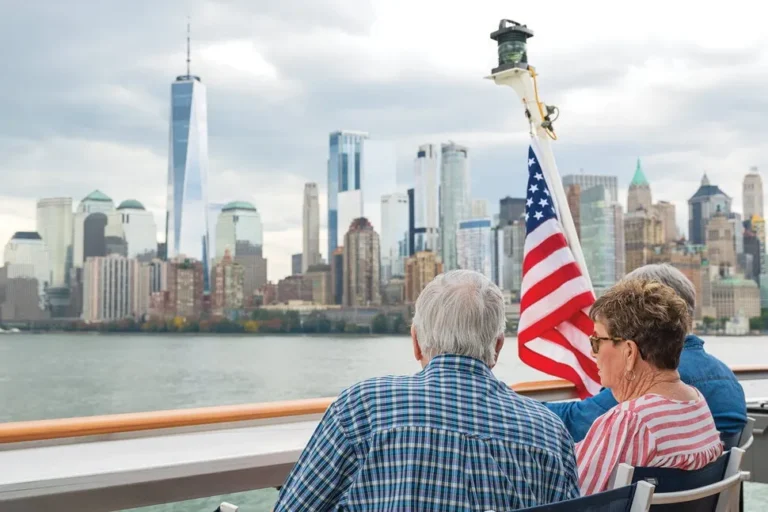
Routes through major art hubs such as New York, Washington D.C., or Chicago offer concentrated access to world-class art collections and historical archives.
Primary Advantages
-
Features accessible public transportation, climate-controlled galleries, and high densities of docent-led educational programs.
-
Nearby luxury accommodations and diverse dining options provide exceptional comfort between museum visits.
Operational Limitations
-
Expansive gallery floors require substantial walking distances, while large crowds create noisy exhibition spaces.
Historic Architecture Trails
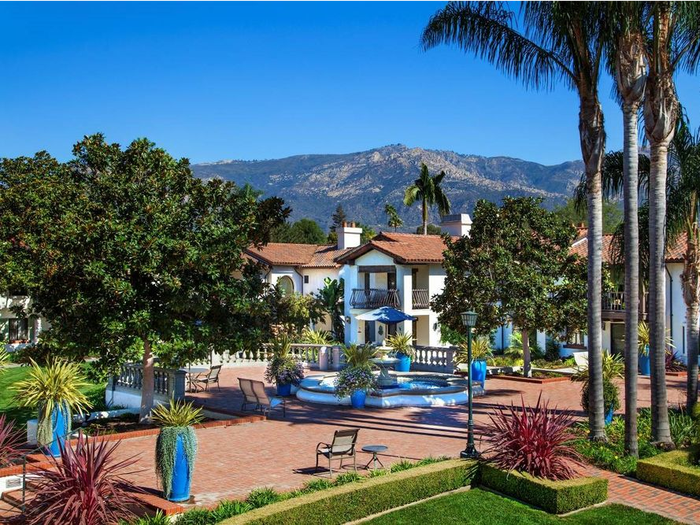
Exploring regional architectural hubs like Charleston, Santa Fe, or Newport introduces travelers to preserved historic estates and unique regional design styles.
Primary Advantages
-
Delivers rich historic context, scenic walking avenues, and intimate access to landmark residential structures.
-
Small group settings foster engaging conversations with local architectural historians and preservation experts.
Operational Limitations
-
Historic structures frequently feature narrow staircases, cobblestone walkways, and limited elevator access.
Detailed Real-World Scenarios
Analyzing real-world travel scenarios demonstrates how venue choice, physical pacing, and lodging selection interact during extended heritage tours.
Scenario A: Exploring Washington D.C. Museum Corridors in Spring
A retired academic plans a six-day exploration of the Smithsonian institutions along the National Mall.
-
Operational Need: Navigating massive museum complexes while avoiding severe foot strain and crowd exhaustion.
-
Critical Risk: Attempting to view multiple vast exhibition wings in one continuous afternoon causes physical collapse and sensory overload.
-
Strategic Choice: Reserving timed entry passes for early morning hours and limiting daily gallery walking to three focused hours.
Scenario B: Attending Santa Fe Opera and Art Festivals in Summer
A couple books a summer cultural trip centered around open-air opera performances and gallery walks in New Mexico.
Operational Assessment
-
High-altitude desert conditions require careful physical pacing, sun protection, and consistent hydration.
-
Historic adobe galleries often feature uneven brick pathways and outdoor sculpture gardens lacking shade.
Strategic Solution
-
Scheduling mid-day rest periods at nearby hotels to avoid afternoon heat and high-elevation exhaustion.
-
Selecting evening opera seats equipped with individual subtitle displays and clear acoustic amplification.
Planning, Cost, and Resource Dynamics
Budgeting for cultural journeys requires evaluating museum admission packages, performance tickets, boutique hotel rates, and fine dining expenses.
Estimated Costs for Senior Cultural Journeys
| Expense Category | Mid-Tier Historic Tour (5 Days) | Premium Arts Tour (7 Days) | Primary Cost Control Strategy |
| Exhibition & Theater | $250 – $500 | $600 – $1,400 | Purchase reciprocal museum memberships early |
| Lodging Expenses | $900 – $1,600 | $2,100 – $4,200 | Book downtown hotels within walking distance |
| Dining & Catering | $400 – $750 | $900 – $1,800 | Balance fine dining with quiet bistro lunches |
| Local Transportation | $150 – $300 | $350 – $800 | Utilize accessible rideshare services and shuttles |
Optimizing Visual and Acoustic Comfort
Booking aisle seating at performance venues, requesting assistive listening devices, and scheduling private morning gallery tours maximizes comfort and intellectual engagement.
Identifying top options within the senior cultural tours usa category requires vetting facility amenities early to ensure smooth gallery navigation.
Tools, Strategies, and Support Systems
Utilizing museum reciprocal membership networks, specialized arts travel agencies, and digital accessibility directories streamlines cultural trip planning.
Essential Cultural Travel Resources
-
North American Reciprocal Museum (NARM) Association: Network granting free or discounted admission to over 1,000 member arts institutions.
-
Access-Friendly Museum Directories: Institutional guides detailing wheelchair access, sensory-friendly hours, and seating availability.
-
Assistive Listening Apps: Digital sound amplification tools that sync directly with theater sound systems.
-
Curated Arts Tour Operators: Specialized travel companies managing mobility logistics, hotel transfers, and private docent lectures.
Risk Landscape and Failure Modes
Extended cultural travel involves operational risks that can lead to physical exhaustion, ticket cancellation issues, or accessibility barriers.
Physical exhaustion represents a primary hazard on museum trips. Continuous standing on hard gallery floors strains joints, making regular bench seating essential.
Unexpected accessibility gaps in historic venues create major disruptions. Verifying elevator operations and ramp locations in advance prevents mobility delays.
Governance, Maintenance, and Long-Term Adaptation
Adapting travel density, daily walking limits, and venue selection as physical stamina shifts ensures rewarding cultural exploration over time.
Strategic Cultural Travel Progression Tiers
Evaluating daily energy levels after museum excursions allows mature travelers to refine venue choices and resting intervals for future trips.
Measurement, Tracking, and Evaluation
Tracking cultural expenditures, daily gallery hours, and physical comfort ratings helps travelers optimize pacing and budgets for future arts itineraries.
Key Evaluation Metrics
-
Daily Exhibition Hour Limit: Monitoring time spent standing in galleries to ensure daily limits remain under three hours.
-
Seat Availability Ratio: Assessing bench frequency in exhibition halls to ensure adequate resting intervals during tours.
-
Cultural Satisfaction Rating: Evaluating docent quality and exhibition depth to select high-value arts institutions.
Common Misconceptions and Oversimplifications
Clearing up common cultural travel myths helps mature arts enthusiasts plan realistic, engaging, and comfortable itineraries.
-
Myth: Historic properties cannot accommodate visitors with limited mobility.
Fact: Most major historic sites feature modern ramp entries, ground-floor exhibits, and virtual digital tours for upper levels.
-
Myth: Visiting multiple museums per day provides the best cultural value.
Fact: Overloading schedules leads to mental fatigue; focusing on one main collection daily yields far deeper enjoyment.
-
Myth: Performance halls offer identical acoustic quality across all seating sections.
Fact: Acoustic clarity varies significantly; reserving seats in central parterre or balcony zones optimizes sound reception.
Ethical, Practical, or Contextual Considerations
Balancing ambitious educational goals with physical health represents an essential consideration on cultural journeys. Pushing through severe physical pain or fatigue to complete a group itinerary risks long-term joint injury and ruins the travel experience.
Prioritizing self-paced exploration, utilizing mobility aids when helpful, and scheduling unstructured afternoon rest protects health while maintaining intellectual fulfillment.
Conclusion
Planning memorable cultural journeys across North America relies on balancing intellectual depth, physical accessibility, strategic gallery pacing, and comfortable lodging. Utilizing reciprocal museum passes, scheduling quiet morning visits, and prioritizing seated performance events allows mature adults to engage with regional heritage with complete confidence.