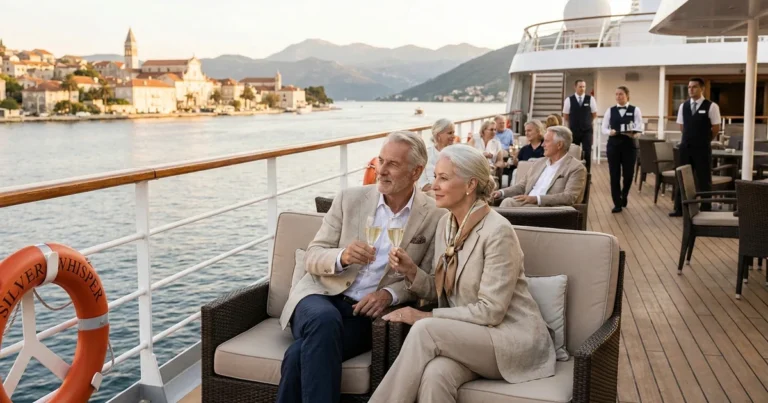
Top Senior Cruise Plans: Fleet Engineering & Health Logistics
Selecting an extended ocean voyage or river journey in retirement requires analyzing maritime architecture, nautical routing, onboard clinical infrastructure, and logistical frameworks. Modern passenger vessels vary significantly in displacement, stability mechanisms, and passenger-to-space ratios. Selecting a cruise itinerary involves evaluating maritime engineering and operational safety alongside destination appeal.
Navigating cruise itineraries requires evaluating shipboard medical center capabilities, step-free access across public decks, accessible stateroom layouts, and shore excursion transit logistics. While mega-vessels offer comprehensive medical centers and extensive stabilizer systems, small expedition ships provide access to secluded ports but present greater motion sensitivity. Ocean currents, seasonal weather patterns, and port tender operations create distinct logistical factors. Managing these elements helps travelers avoid physical overexertion, sea fatigue, and unexpected medical evacuation expenses.
Evaluating cruise options requires examining stateroom door widths, elevator placement relative to dining venues, medical staffing qualifications, and emergency evacuation insurance protocols. Understanding naval architecture, maritime health standards, and itinerary pacing enables older adults to select voyages matching their physical capabilities and lifestyle preferences.
Understanding Top Senior Cruise Plans
Evaluating extended cruise voyages requires examining onboard operational realities alongside scenic sailing routes. A voyage’s overall suitability depends on vessel design, onboard clinical capabilities, and port infrastructure.
Primary Maritime and Architectural Dimensions
A cruise ship’s operational practicality relies on core physical and organizational factors that influence daily mobility, safety, and personal comfort:
-
Vessel Motion Stability: Active fin stabilizers, hull displacement design, and propulsion choices directly affect sea-motion mitigation.
-
Onboard Medical Infrastructure: Advanced medical bays featuring licensed physicians, oxygen supplies, dialysis capabilities, and tele-medical links to mainland hospitals.
-
Vertical and Horizontal Accessibility: Step-free deck access, wide elevator banks, automated stateroom doors, and roll-in shower configurations.
-
Port Disembarkation Efficiency: Gangway slopes, step-free dock access, and tender boat operations during port visits.
Environmental Variables and Vessel Dynamics
Physical comfort onboard depends on matching individual mobility levels and sea-motion sensitivity with specific vessel types and maritime regions. Large ocean liners feature deep hulls designed for ocean crossings, whereas shallow-draft river vessels navigate inland waterways without ocean swells.
When evaluating top senior cruise plans, selecting deep-hull ocean liners or calm river vessels minimizes sea fatigue and physical strain during extended ocean crossings.
Structural Variations Across Cruise Fleets
Ocean-going vessels constructed in the late twentieth century often feature narrow corridors, elevated door sills, and crowded central elevator banks. Modern mid-sized and mega-vessels engineered in recent years incorporate wide step-free promenades, automated stateroom doors, and advanced motion-damping technology.
Deep Contextual Background
The evolution of passenger cruising reflects shifts in naval architecture, maritime safety regulations, and specialized onboard healthcare over the past century.
Evolution of Passenger Cruise Engineering
Early mid-century ocean liners prioritized passenger transit across ocean basins, featuring steep metal staircases, high door sills, and basic medical bays.
Subsequent safety updates established international standards for maritime accessibility, emergency evacuation equipment, and comprehensive onboard medical facilities.
Impact of Onboard Medical Systems Modernization
The modernization of maritime medicine transformed extended cruising into a safe travel choice for retirees. Modern passenger vessels maintain advanced clinical suites capable of handling cardiovascular emergencies, lab testing, and short-term intensive care holding.
Conceptual Frameworks and Mental Models
Systematic cruise selection relies on analytical models that balance vessel motion mitigation, medical proximity, and physical accessibility before booking long itineraries.
Framework 1: The Vessel Stability and Fatigue Ratio (VSFR)
The VSFR model evaluates daily sea-motion comfort by measuring hull displacement, active stabilizer efficiency, and sea conditions.
-
Optimal VSFR Rating: Large deep-hull ocean liners featuring double-acting fin stabilizers navigating calm coastal waters.
-
High-Strain VSFR Rating: Small shallow-draft vessels crossing open ocean passages during seasonal weather shifts.
Framework 2: The Port Accessibility and Tender Index (PATI)
This framework evaluates disembarkation safety by measuring dock infrastructure and tender boat requirements across scheduled ports of call.
Key Categories or Variations
Selecting a cruise voyage requires evaluating vessel size, routing dynamics, onboard care levels, and disembarkation methods across distinct cruise styles.
Comparison of Major Cruise Vessel Categories
| Cruise Style | Vessel Tonnage | Primary Itinerary Type | Accessibility Level | Onboard Medical Capacity |
| Ocean Mega-Ships | 100,000+ GRT | Multi-Country Coastal | Comprehensive Step-Free | Full ICU & Lab Facilities |
| Mid-Sized Liners | 30,000 – 60,000 GRT | Regional Explorations | High General Access | Standard Medical Bay |
| Inland River Ships | 3,000 – 6,000 GRT | European River Basins | Modified Low-Step | Basic First Aid Onboard |
| Expedition Vessels | 5,000 – 15,000 GRT | Polar & Island Zones | Limited Step-Free | Doctor Onboard; Evac-Linked |
Ocean-Going Mega-Vessels
Large ocean ships offer exceptional motion stability, expansive medical facilities, and diverse accessible dining options across multiple decks.
Key Advantages
-
Deep displacement hulls and large stabilizer fins significantly reduce roll motion.
-
Comprehensive medical centers feature specialized equipment and multiple onboard physicians.
Key Limitations
-
Navigating massive deck layouts can cause physical exhaustion without careful stateroom selection.
European and Domestic River Vessels
River ships travel along calm inland waterways, offering direct town-center docking and smooth sailing without sea motion.
Key Advantages
-
Absence of waves eliminates motion sickness and balance fatigue completely.
-
Direct pier docking enables step-free walk-offs into historic city centers.
Key Limitations
-
Compact ship dimensions mean elevators may not reach sun decks or lower cabin levels.
Detailed Real-World Scenarios
Analyzing real-world sailing scenarios demonstrates how ship design, health profiles, and port logistics interact during extended voyages.
Scenario A: Managing Extended Ocean Crossings with Mild Balance Constraints
A retired couple plans a three-week transatlantic crossing from Europe to North America.
-
Operational Need: Minimizing vessel motion while maintaining easy access to dining venues and medical facilities.
-
Critical Risk: High deck cabins near the bow experience amplified pitching during rough sea crossings.
-
Mitigation Strategy: Booking a low-deck mid-ship accessible stateroom close to central elevator banks.
Scenario B: Navigating Historic River Ports with Limited Walking Stamina
A traveler with limited walking endurance books a two-week Danube River cruise.
Operational Assessment
-
Cobblestone docks and steep riverbank gangways present trip hazards during disembarkation.
-
Side-by-side ship docking forces passengers to cross multiple ship decks to reach land.
Strategic Solution
-
Utilizing ship-arranged bus transfers for city tours and requesting ground-floor staterooms near ship entryways.
-
Confirming itinerary stops that feature direct quay access rather than double-docked ship arrangements.
Planning, Cost, and Resource Dynamics
Budgeting for extended cruise travel involves evaluating base fare inclusions, medical insurance upgrades, specialized shore excursions, and onboard service gratuities.
Financial Structure of Extended Cruise Voyages
| Expense Category | Typical Range (Per Couple/Week) | Coverage Inclusions | Budget Optimization Strategy |
| Accessible Suite Fare | $3,500 – $12,000 | Stateroom, core dining, ship travel | Book 9–12 months early for accessible cabins |
| Maritime Health Policy | $300 – $1,200 | Emergency evac, onboard clinic care | Choose primary travel health coverage |
| Accessible Excursions | $400 – $1,800 | Private van transport, step-free tours | Reserve small-group shore outings |
| Onboard Service Fees | $250 – $600 | Gratuities, specialized dining, WiFi | Include pre-paid service packages |
Evaluating Medical Insurance and Evacuation Retainers
Standard domestic health policies rarely cover medical treatments in international waters or foreign ports. Securing specialized travel health coverage with emergency air evacuation benefits protects travelers from high out-of-pocket expenses during unexpected health events.
Selecting top senior cruise plans requires reviewing both onboard medical capabilities and comprehensive emergency evacuation logistics.
Tools, Strategies, and Support Systems
Utilizing dedicated travel planning resources ensures stateroom layouts, medical arrangements, and port excursions meet personal specifications before embarkation.
Essential Cruise Planning Resources
-
Access Department Directives: Direct coordination channels with cruise line accessibility desks to confirm wheelchair access, medical equipment needs, and dietary requirements.
-
Deck Plan Mapping Applications: Digital layout tools showing stateroom proximity to elevators, medical bays, and main dining rooms.
-
Maritime Weather and Wave Trackers: Ocean forecasting platforms monitoring seasonal wave heights and sea conditions along planned routes.
-
Accessible Port Tour Directories: Excursion guides identifying step-free shore activities, accessible van transfers, and flat walking paths.
Risk Landscape and Failure Modes
Extended cruise travel involves specific environmental and operational variables that require careful management to ensure safety and comfort.
Tender port disembarkation represents a primary physical challenge. Small tender boats moving with ocean swells make stepping off gangways difficult, making dock-only itineraries preferable for travelers with mobility concerns.
Navigating medical limitations during long ocean crossings represents another critical factor. Verifying shipboard clinic capabilities ensures appropriate medical care is available between distant ports of call.
Governance, Maintenance, and Long-Term Adaptation
Adapting cruise preferences over time allows mature travelers to continue exploring global destinations safely as mobility needs evolve.
Strategic Voyage Evolution Stages
Reviewing physical comfort after each voyage helps travelers refine future itinerary choices. Transitioning toward inland river cruises or calm coastal routes preserves physical energy while providing rich cultural experiences.
Measurement, Tracking, and Evaluation
Monitoring personal stamina and shipboard logistics helps improve future cruise selections.
Key Tracking Parameters
-
Daily Walking Stamina: Monitoring step counts across ship decks to balance onboard activities with adequate rest.
-
Sea-Motion Tolerance Index: Tracking personal motion comfort during open ocean passages to inform future ship selections.
-
Port Disembarkation Ease: Evaluating gangway incline angles and dock conditions to select suitable shore excursions.
Common Misconceptions and Oversimplifications
Clearing up common cruising myths helps mature travelers select itineraries that align with their health and mobility needs.
-
Myth: All modern cruise ships provide equal accessibility across all decks.
Fact: Older ships and smaller expedition vessels often feature raised door sills and steps leading to open sun decks.
-
Myth: Standard domestic medical insurance covers clinic visits in international waters.
Fact: Ships operating outside territorial waters require specialized travel medical coverage for clinic visits and emergency evacuations.
-
Myth: River cruises are completely step-free from ship to shore.
Fact: River vessels docked side-by-side often require walking through multiple ship lobbies and steep gangways to reach land.
Ethical, Practical, or Contextual Considerations
Modern cruise operators increasingly focus on environmental sustainability, utilizing cleaner fuels, advanced wastewater treatment, and shore-power connections in historic ports. Supporting cruise lines committed to environmental preservation helps protect delicate marine ecosystems and coastal heritage communities.
Furthermore, selecting small-group shore excursions that support local guides, traditional craft markets, and regional conservation projects fosters positive relationships between cruise visitors and host ports.
Conclusion
Selecting premier senior cruise itineraries offers mature travelers an enriching way to explore coastal regions, historic waterways, and iconic ocean ports. Choosing ships with appropriate hull stability, comprehensive medical infrastructure, and step-free deck layouts ensures a safe and deeply satisfying voyage.