Best Senior Travel Options for Mobility: Global Infrastructure & Accessible Transit Logistics Guide
Selecting accessible travel routes requires analyzing transit systems, urban architecture, medical infrastructure, and logistical frameworks. Modern travel ecosystems vary significantly in physical accessibility, wheelchair rental networks, and public transport integration. Evaluating travel destinations involves assessing infrastructure engineering alongside cultural attractions.
Navigating travel destinations requires evaluating airport assistance services, step-free train networks, accessible hotel staterooms, and urban pavement conditions. While high-speed rail systems offer seamless step-free boarding, historical European historic centers present cobblestone streets and limited elevator access. Seasonal weather variations, terrain gradients, and regional medical services create distinct logistical layers. Managing these elements prevents physical fatigue, joint strain, and unexpected transport delays.
Determining suitable travel options requires examining door frame dimensions, elevator availability, portable equipment rentals, and specialized transit options. Understanding urban accessibility laws, international transit regulations, and itinerary pacing enables older adults to select travel modes matching their physical capabilities and lifestyle preferences.
Understanding Best Senior Travel Options for Mobility
Evaluating accessible travel routes requires examining operational transportation realities alongside scenic travel destinations. A journey’s success depends on physical transit design, municipal accessibility standards, and regional support services.
Core Physical and Logistical Dimensions
An accessible itinerary’s practical success relies on several core physical and organizational pillars that directly influence mobility, safety, and personal comfort:
-
Continuity of Step-Free Transit: Uninterrupted accessible pathways connecting airport terminals, train platforms, hotel lobbies, and urban sidewalks.
-
Equipment Logistics and Rentals: On-site mobility scooter delivery, oxygen concentrator rentals, and specialized transport vehicle availability.
-
Urban Pavement and Terrain Infrastructure: Smooth pavement, accessible curb cuts, gentle elevation gradients, and protected pedestrian corridors.
-
Specialized Assistance Services: Airport wheelchair escorts, rail platform assistance staff, and private accessible transit drivers.
Environmental Variables and Infrastructure Dynamics
Physical comfort during travel depends on matching individual mobility levels and balance needs with specific destination infrastructure types. Modern planned cities offer wide, flat sidewalks and fully accessible transit stations, whereas historic medieval towns feature narrow cobblestone alleys and steep stone stairways.
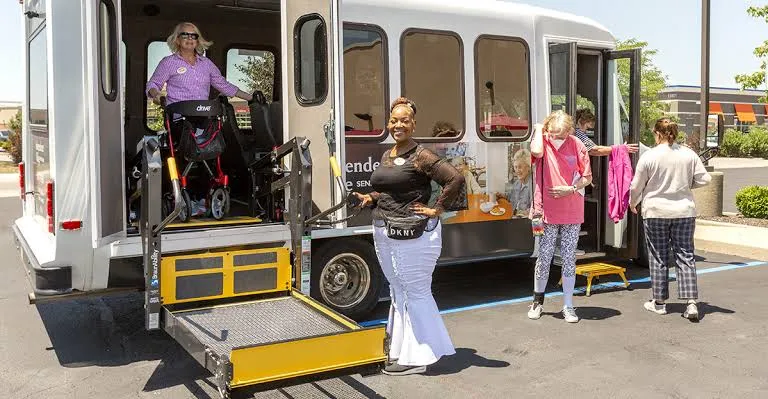
When evaluating the best senior travel options for mobility, selecting modern urban centers or fully accessible river cruises minimizes physical fatigue and balance hazards during extended journeys.
Infrastructure Variability Across Travel Modes
Transportation systems built in the mid-twentieth century often feature narrow train doors, elevated boarding steps, and non-functioning station lifts. Modern high-speed rail networks engineered in recent decades incorporate level platform boarding, wide interior aisles, and spacious accessible restrooms.
Deep Contextual Background
The evolution of accessible travel reflects shifts in civil engineering, civil rights legislation, and specialized travel logistics over the past century.
Evolution of Accessible Transportation Infrastructure
Early passenger transport prioritized high-density travel, featuring steep vehicle steps, narrow aisleways, and non-accessible public transit stations.
Subsequent legal frameworks established mandatory accessibility standards across commercial aviation, passenger rail, public buses, and hotel accommodations.
Impact of Universal Design Innovations
The adoption of universal design principles transformed global travel options for mature adults. Modern international airports maintain dedicated mobility assistance teams, automated transit movers, and step-free security screening lanes.
Conceptual Frameworks and Mental Models
Systematic travel planning relies on analytical models that balance physical exertion, transit accessibility, and environmental terrain before finalizing reservations.
Framework 1: The Transit Continuity Index (TCI)
The TCI model evaluates journey accessibility by measuring step-free connections between sequential travel modes.
-
Optimal TCI Rating: Continuous level pathways connecting airport jet bridges, low-floor transit buses, and hotel elevators.
-
High-Strain TCI Rating: Broken transit links requiring manual luggage carrying over steep stairs, curb ledges, and uneven cobblestone streets.
Framework 2: The Physical Exertion and Rest Ratio (PERR)
This framework evaluates daily itinerary pacing by measuring physical walking distances against available resting intervals.
Key Categories or Variations
Selecting an accessible travel style requires evaluating transportation modes, accommodation features, terrain dynamics, and support services across distinct travel styles.
Comparison of Major Accessible Travel Categories
| Travel Category | Primary Transit Mode | Terrain Profile | Accessibility Rating | Specialized Support Level |
| River Cruises | Inland Motor Vessel | Flat River Banks | Comprehensive Step-Free | Onboard Host & Shore Vans |
| High-Speed Rail Tours | Electric Express Trains | Flat Urban Platforms | High General Access | Station Platform Assistance |
| Accessible Van Road Trips | Private Modified Van | Variable Highway Routes | Fully Custom Step-Free | Dedicated Driver-Guide |
| Metropolitan Resort Stays | Low-Floor City Buses | Flat Paved Sidewalks | Universal Accessibility | Hotel Concierge Logistics |
Inland River Cruises
River ships travel along calm inland waterways, offering direct city-center docking, level dining room access, and step-free deck layouts.
Key Advantages
-
Smooth inland water navigation completely eliminates wave motion and sea sickness.
-
Ships dock directly along city piers, enabling flat walk-offs into town centers.
Key Limitations
-
Compact ship dimensions mean elevators may not reach upper sun decks or lower cabin levels.
High-Speed Rail Expeditions
Passenger rail networks across Europe and East Asia feature level platform boarding, spacious accessible seats, and direct connections between central city stations.
Key Advantages
-
High-speed trains provide comfortable step-free boarding without lengthy airport security lines.
-
Spacious train aisles allow easy movement to accessible restrooms during transit.
Key Limitations
-
Station elevator outages can occasionally force travelers to find alternative platform routes.
Detailed Real-World Scenarios
Analyzing real-world travel scenarios demonstrates how transport choices, physical stamina, and destination infrastructure interact during extended trips.
Scenario A: Navigating Historic European Capitals with Limited Walking Endurance
A retired couple plans a two-week cultural journey through historic European capitals.
-
Operational Need: Minimizing long-distance walking while exploring historic city centers and cultural museums.
-
Critical Risk: Uneven cobblestone streets and historic stairs cause joint strain and balance loss.
-
Mitigation Strategy: Booking pre-arranged accessible van tours and staying in modern city-center hotels featuring elevators.
Scenario B: Managing Transatlantic Flights with Mobility Scooter Needs
A traveler utilizing a folding mobility scooter plans a multi-city international vacation.
Operational Assessment
-
Checking mobility scooters at airport gates risks battery damage or improper cargo handling.
-
Navigating international airport terminals without wheelchair escorts causes physical exhaustion.
Strategic Solution
-
Requesting airline gate assistance 48 hours prior to departure and registering scooter lithium battery specifications.
-
Confirming that destination hotels provide ground-floor storage and electrical outlets for nightly scooter charging.
Planning, Cost, and Resource Dynamics
Budgeting for accessible travel involves evaluating modified vehicle rentals, private assistance fees, accessible hotel room upgrades, and specialized travel insurance.
Financial Structure of Accessible Senior Travel
| Expense Category | Typical Weekly Range | Coverage Inclusions | Budget Optimization Strategy |
| Accessible Hotel Suite | $2,000 – $6,000 | Roll-in shower, step-free access | Book accessible rooms 6 months early |
| Private Accessible Van | $1,500 – $4,500 | Driver-guide, ramp loading, fuel | Reserve small-group shared transfers |
| Mobility Equipment Rental | $250 – $700 | Scooter/wheelchair delivery to hotel | Coordinate directly with local rental hubs |
| Specialized Travel Insurance | $200 – $800 | Emergency evac, medical coverage | Choose primary travel health policies |
Evaluating Value Inclusions and Equipment Rentals
Securing mobility equipment rentals directly at travel destinations eliminates the risk of transit damage to personal wheelchairs or scooters. Local medical equipment suppliers deliver scooters, rollators, and bath equipment straight to hotel lobbies prior to guest arrival.
Identifying the best senior travel options for mobility requires evaluating transit accessibility, local equipment rental availability, and hotel layout features.
Tools, Strategies, and Support Systems
Utilizing dedicated travel planning tools ensures hotel layouts, airport assistance, and local transit routes meet personal specifications before departure.
Essential Travel Planning Resources
-
Airport Wheelchair Assistance Services: Pre-booked escort services guiding travelers through security lanes, customs, and departure gates.
-
Accessible City Mapping Applications: Digital navigation tools identifying step-free routes, sidewalk curb cuts, and public elevator locations.
-
Medical Equipment Rental Suppliers: Local destination hubs delivering mobility scooters, power chairs, and hospital beds directly to hotels.
-
Rail Platform Assistance Desks: Dedicated station staff providing ramp access and luggage support during train boarding.
Risk Landscape and Failure Modes
Accessible travel involves specific operational variables that require careful management to ensure physical safety and peace of mind.
Transit equipment damage during air travel represents a primary operational challenge. Utilizing sturdy transit cases or renting equipment at the destination mitigates potential damage to personal mobility devices.
Navigating broken elevator infrastructure at public transit stations represents another potential obstacle. Verifying alternative step-free station exits ensures seamless connections during urban travel.
Governance, Maintenance, and Long-Term Adaptation
Adapting travel choices over time allows mature adults to continue exploring domestic and international destinations safely as mobility needs evolve.
Strategic Travel Evolution Stages
Reviewing physical comfort after each trip helps travelers refine future itinerary choices. Transitioning toward private van tours or river cruises preserves physical energy while providing rich cultural experiences.
Measurement, Tracking, and Evaluation
Monitoring daily exertion levels and transit logistics helps improve future travel itineraries.
Key Tracking Parameters
-
Daily Exertion Thresholds: Tracking daily step counts and standing times to prevent physical fatigue.
-
Transit Connection Efficiency: Measuring transfer times between flights, trains, and taxis to optimize future scheduling.
-
Accommodation Accessibility Ratings: Evaluating roll-in shower safety, door frame widths, and elevator proximity.
Common Misconceptions and Oversimplifications
Clearing up common travel myths helps mature adults select itineraries that align with their health and mobility needs.
-
Myth: All modern hotels advertising accessible rooms provide roll-in showers.
Fact: Many hotels feature accessible bath setups that still include tub walls or small step thresholds.
-
Myth: Historic cities cannot be enjoyed by travelers using mobility devices.
Fact: Utilizing specialized accessible van tours and pre-planned step-free routes allows easy exploration of historic centers.
-
Myth: Airline gate assistance must be requested upon arrival at the airport.
Fact: Booking wheelchair assistance at least 48 hours prior to departure ensures dedicated staff availability.
Ethical, Practical, or Contextual Considerations
Promoting universal accessibility in tourism encourages municipal investments in public infrastructure, benefiting local residents and international travelers alike. Supporting travel businesses committed to inclusive design fosters equal access across global heritage sites, transportation networks, and hospitality venues.
Furthermore, choosing accessible tour operators that employ local guides and support sustainable community initiatives contributes positively to host destinations.
Conclusion
Selecting accessible senior travel routes offers mature adults an empowering way to explore historic cities, scenic countrysides, and iconic cultural landmarks. Choosing transit systems with level platform boarding, reliable assistance services, and step-free accommodations ensures a safe and deeply fulfilling trip.
With thoughtful research, proper equipment planning, and realistic pacing, travel remains an enriching and accessible lifelong adventure.