Evaluating Best Accessible Tour Options: Infrastructure, Logistics, and Travel Design
Best Accessible Tour Options. Travel planning for individuals with diverse physical, sensory, or neurodivergent needs requires an operational approach that extends far beyond marketing claims. Accessible tourism remains an intricate discipline governed by civil engineering, international transit laws, local architectural legacies, and variable service execution. Superficial labels like “wheelchair friendly” or “step-free” routinely obscure critical logistical hurdles that determine whether a journey succeeds or collapses.
Commercial travel promotion frequently compresses complex accessibility requirements into binary checklists. However, authentic travel access depends on the continuous reliability of interconnected systems. A single missing ramp at a transit station, an out-of-service elevator at a UNESCO site, or an improperly configured hotel bathroom can disrupt an entire itinerary. Evaluating itineraries requires examining backend support models, vehicle modifications, guide certifications, and real-time contingency protocols.
Navigating international travel environments demands a precise understanding of systemic infrastructure limitations across different regions. Older urban centers present distinct physical barriers, such as historic cobblestone roads, narrow door frames, and non-compliant heritage sites. Modern destinations, while often legally required to meet barrier-free standards, can still present gaps in staff training or equipment maintenance. Understanding how high-standard operators engineer risk out of complex itineraries provides the foundation for safe, dignified, and enriching global travel.
Understanding “Best Accessible Tour Options”
Determining the most reliable travel options for disabled or mature travelers requires looking past promotional terminology. True accessibility demands an integrated service framework where physical infrastructure, specialized equipment, and trained personnel work in harmony.
Structural Parameters of Universal Travel Design
Reliable travel programs for travelers with physical, sensory, or cognitive needs depend on core operational elements that ensure safety and independence:
-
End-to-End Transit Integrity: Vehicles must feature tested hydraulic lifts, secure tie-down points, and step-free entry mechanisms.
-
Micro-Level Accommodation Audits: Guest rooms require measured door widths, roll-in showers with stable grab bars, and roll-under sinks.
-
Adaptive Site Pacing: Tour schedules incorporate buffer intervals to manage physical fatigue, equipment charging, and assistance requests.
-
Sensory and Cognitive Adaptation: Operators provide detailed visual previews, clear quiet zones, and alternative formats for orientation materials.
Evaluating Operator Capabilities
Evaluating travel itineraries requires looking beyond promotional brochures to inspect fleet maintenance records, site survey documents, and emergency plans.
Reviewing operational capabilities ensures that trip logistics match specific mobility and sensory needs. Finding the best accessible tour options involves identifying operators that verify site conditions through on-ground physical audits rather than self-reported hotel surveys.
Key Operational Differences in Accessible Itinerary Design
Standard group tours focus on rapid transit and tight schedules. High-tier accessible itineraries prioritize thorough pre-trip assessments and flexible daily execution.
Continuous Route Verification
A broken elevator or blocked ramp can halt an itinerary entirely. Qualified operators conduct advance route checks to confirm that every path, doorway, and vehicle remains fully functional.
Specialized Emergency Support
Medical equipment failures or physical fatigue require immediate, knowledgeable assistance. Dedicated providers maintain direct connections with regional repair technicians and specialized health networks throughout the journey.
Deep Contextual Background

The evolution of accessible tourism reflects decades of legal advocacy, civil engineering advancements, and shifting public standards across global transit systems.
Historical Evolution of Travel Infrastructure
Early travel options for individuals with disabilities were highly fragmented, often requiring travelers to organize private, costly logistics.
Legislative milestones like the Americans with Disabilities Act (ADA) and European accessibility directives transformed public transit systems and hotel compliance standards. These regulatory frameworks encouraged tour operators to develop structured, high-quality accessible itineraries worldwide.
Demographic Realities and Market Demand
Increasing life expectancies and growing disability rights advocacy have expanded demand for inclusive travel experiences. Today’s travelers seek active cultural engagement, prompting operators to adapt everything from wilderness safaris to ancient site explorations.
Conceptual Frameworks and Mental Models
Systematic itinerary evaluation relies on analytical models to measure physical accessibility, environmental stress, and logistical stability before booking.
Framework 1: The Chain-of-Access Principle
The Chain-of-Access model states that an itinerary is only as accessible as its most restrictive link.
-
Unbroken Chains: Fully accessible airport transfers, step-free hotels with roll-in showers, and audited museum entrances ensure seamless travel.
-
Broken Chains: A fully accessible resort paired with non-accessible local transport forces reliance on unsafe, improvised solutions.
Framework 2: The Physical Burden and Friction Index (PBFI)
This model evaluates physical exertion levels caused by environmental obstacles during daily tours.
Key Categories or Variations
Options within specialized accessible travel span several distinct formats, each balancing group dynamics, mobility support, and daily flexibility.
Comparison of Accessible Travel Formats
| Travel Category | Pacing Control | Mobility Support Level | Sensory Adaptability | Group Size |
| Fully Escorted Small-Group | Moderate | Very High | High | Small (6–10 guests) |
| Self-Guided Adaptive Drive | Very High | Moderate | High | Independent / Private |
| Accessible River Cruises | High | Very High | Moderate | Medium (50–120) |
| Private Custom Expeditions | Maximum | High | Maximum | Private |
Escorted Small-Group Tours
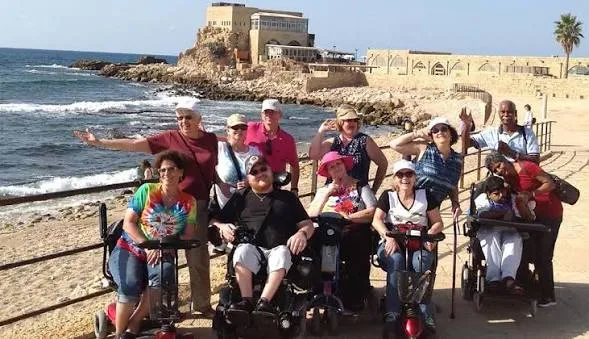
Escorted group travel combines shared cultural experiences with dedicated staff support and specialized transport vehicles.
Operational Advantages
-
Dedicated support staff manage luggage, vehicle ramps, and site entry logistics throughout the itinerary.
-
Pre-audited routes reduce unexpected physical barriers and ensure reliable dining and restroom facilities.
Operational Limitations
-
Fixed group schedules offer limited flexibility for sudden, personalized rest periods during active tour days.
Accessible River Cruises
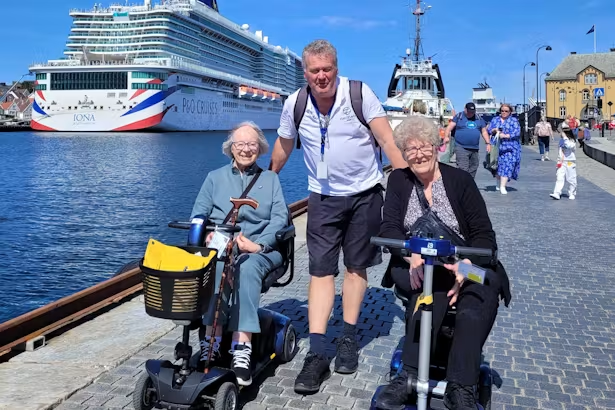
River vessels serve as floating hotels, providing continuous scenic views without the friction of frequent hotel moves.
Operational Advantages
-
Central city docking locations allow step-free access directly onto flat promenade paths.
-
Onboard elevators, wide hallways, and roll-in shower cabins support high physical safety standards.
Operational Limitations
-
Variable river water levels can force unexpected dock shifts, occasionally requiring steep gangway entries or coach transfers.
Detailed Real-World Scenarios
Examining realistic travel scenarios reveals how environmental factors, mobility requirements, and advance planning affect actual tour execution.
Scenario A: Navigating a Historic European Capital
A manual wheelchair user plans a seven-day trip through an ancient city center featuring cobblestone roads and historic buildings.
-
Operational Need: Experiencing historic landmarks while avoiding rough pavement and long physical inclines.
-
Critical Risk: En-route barriers like broken elevators or missing curb ramps can halt the planned travel path.
-
Strategic Choice: Selecting a private guided tour using specialized all-terrain equipment and pre-checked step-free routes.
Scenario B: Safari Expedition in East Africa
A traveler with limited physical mobility books a multi-day wildlife safari across wilderness reserves.
Operational Review
-
Custom 4×4 vehicles fitted with wheel-in hydraulic lifts allow safe, dignified transfers into elevated seats.
-
Accessible lodge tents featuring flat wooden decking and roll-in bathrooms preserve independence in remote settings.
Strategic Plan
-
Verifying vehicle lift capacities and tie-down mechanisms prior to confirming booking contracts.
-
Securing accommodations with on-site medical assistance and backup generator power for charging medical electronics.
Planning, Cost, and Resource Dynamics
Budgeting for accessible travel requires accounting for specialized vehicle rentals, individual support staff, and verified accessible accommodations.
Financial Requirements for Accessible Travel
| Expense Component | Small-Group Tour (10 Days) | Private Custom Tour (10 Days) | Cost Management Strategy |
| Base Package Price | $4,000 – $7,500 | $7,500 – $14,000 | Reserve far in advance for specialized rooms |
| Adaptive Transport | Included in Base | $1,800 – $3,500 | Share accessible vehicle costs within small groups |
| Medical Travel Coverage | $350 – $900 | $500 – $1,200 | Choose policies covering mobility equipment repair |
| Equipment Rentals | $200 – $600 | $200 – $600 | Rent specialized equipment directly at the destination |
Essential Pre-Departure Verification Checklist
Verifying hotel room measurements, transit equipment, and emergency resources prevents unexpected disruptions during travel.
Completing these checks ensures that selected best accessible tour options deliver a secure, well-supported travel experience.
Tools, Strategies, and Support Systems
Modern accessible travel relies on specialized equipment, precise digital mapping, and trained support teams to manage daily logistics.
Essential Support Technologies and Services
-
Portable Ramps and Lifts: Lightweight, folding aluminum ramps that bridge minor step barriers at historic entrances.
-
All-Terrain Mobility Devices: Motorized or manual off-road wheelchairs designed for sand, gravel, and cobblestone paths.
-
Accessibility Mapping Software: Mobile applications offering verified crowd-sourced data on wheelchair-accessible paths, elevators, and restrooms.
-
Specialized Equipment Rental Networks: Destination-based providers delivering hospital beds, hoists, and power wheelchairs directly to hotels.
Risk Landscape and Failure Modes
Unforeseen infrastructure failures require established backup protocols to protect traveler safety and preserve the itinerary.
Mobility equipment damage during flight transit represents a primary operational risk. Quality operators handle this by identifying local repair services and arranging loaner equipment quickly.
Unexpected site outages, such as broken venue elevators, are managed by creating secondary step-free routes and maintaining flexible daily timing.
Governance, Maintenance, and Long-Term Adaptation
Tour operators specializing in accessible travel must consistently audit routes, maintain adaptive equipment, and update staff training certifications.
Quality Assurance Framework
Continuous quality reviews allow operators to refine itineraries and adapt to changing physical conditions at international destinations.
Measurement, Tracking, and Evaluation
Evaluating travel success involves measuring guest comfort, schedule reliability, and the performance of specialized equipment throughout the trip.
Key Operational Performance Indicators
-
Accessibility Compliance Rate: Percentage of hotels, venues, and transit vehicles that fully match pre-departure specifications.
-
Schedule Integrity Score: Ability to maintain planned excursion times without cutting rest periods or rushing site visits.
-
Equipment Reliability Index: Tracking zero-malfunction operational days for vehicle lifts, rental chairs, and adaptive gear.
Common Misconceptions and Oversimplifications
Clearing up widespread travel myths helps travelers choose programs that accurately match their mobility and logistical needs.
-
Myth: Modern hotels labeling themselves “accessible” always meet full roll-in shower standards.
Fact: Many properties feature tub-shower combinations or small bathroom thresholds that hinder full wheelchair access.
-
Myth: Historic European cities cannot be visited by travelers using mobility devices.
Fact: With pre-audited step-free routes and adaptive equipment, historic cities can be explored safely and comfortably.
-
Myth: Airline transport automatically protects power wheelchairs from transit damage.
Fact: Power chairs require careful preparation, battery disconnects, and clear handling instructions to prevent damage during flights.
Ethical, Practical, or Contextual Considerations
Promoting accessible tourism encourages global infrastructure investments that benefit local residents alongside international travelers. Sustainable operators work with local communities to improve public accessibility standards, hire qualified local guides, and foster inclusive travel environments.
When travel design prioritizes universal access, historical and natural wonders become open to everyone, creating a more inclusive global travel industry.
Conclusion
Selecting the right accessible travel option requires evaluating physical infrastructure, vehicle standards, site auditing practices, and emergency support networks. Choosing operators that rely on verified physical measurements rather than general marketing claims ensures a safe, dignified, and enjoyable journey.