Best Senior Resorts in the US: Premier Retreats & Amenities
Selecting premier leisure destinations for mature travelers requires analyzing physical accessibility, service responsiveness, regional climate patterns, and specialized wellness amenities. High-end hospitality environments must offer step-free access, thoughtful lighting, acoustic comfort, and nutritious culinary offerings without appearing clinical or restrictive. Experiencing true luxury involves subtle environmental accommodations that preserve autonomy, safety, and personal dignity.
Evaluating luxury retreats involves assessing room layouts, walking distances across property grounds, medical support access, and regional transit links. Travelers must evaluate how resort designs manage environmental factors like heat, altitude, and humidity to ensure physical comfort. While desert oasis properties provide warm winters, mountain properties present terrain challenges that require ground-floor suites or dedicated golf cart transportation.
Balancing active recreation with physical restoration relies on evaluating hydrotherapy access, specialized fitness programming, quiet leisure zones, and dietary customization. Experienced leisure travelers evaluate property layout maps, staff-to-guest ratios, and seasonal climate patterns before making extended reservations. Mastering these resort evaluation strategies ensures mature travelers secure comfortable, intellectually engaging, and physically restoring vacation experiences.
Understanding “Best Senior Resorts in the US”
Evaluating luxury retreats for mature adults requires moving beyond superficial promotional photos, glossy marketing descriptions, and generic hospitality star ratings. It demands an analytical framework that balances physical accessibility, medical proximity, acoustic comfort, and tailored leisure offerings.
Essential Evaluation Metrics for Premier Properties
Identifying premier resorts relies on examining four distinct operational and structural pillars:
-
Architectural Accessibility: Ensuring step-free pathways, zero-threshold showers, wide corridors, and reliable elevator access across all dining and leisure zones.
-
Service Pacing: Offering flexible dining hours, personalized concierge assistance, unhurried check-in procedures, and tailored recreational instruction.
-
Acoustic and Environmental Comfort: Designing quiet public spaces, soundproofed guest suites, gentle ambient lighting, and shaded outdoor relaxation areas.
-
Wellness and Clinical Proximity: Providing specialized hydrotherapy facilities, low-impact exercise equipment, and swift access to regional medical centers.
Resort Evaluation Framework
Balancing active recreation with restorative comfort requires coordinating property logistics, climate considerations, and mobility accommodations. Thorough property evaluations minimize physical fatigue while enhancing overall vacation satisfaction.
When travelers evaluate options among the best senior resorts in the us offers, aligning personal physical requirements with property infrastructure ensures a peaceful and luxurious stay.
Structural Variations in Resort Architecture
Standard commercial resorts often feature sprawling layouts that require long walks between guest rooms, dining halls, and recreational facilities. Senior-focused luxury properties prioritize compact central layouts or provide continuous shuttle transportation.
Surface Terrain and Footwear Safety
Polished stone walkways or loose gravel paths present slip and trip hazards for guests with balance sensitivities. Superior properties feature slip-resistant textured concrete or carpeted walkways throughout all guest zones.
Climate Modulation and Outdoor Shading
Excessive sun exposure and extreme summer temperatures restrict outdoor leisure activities for mature guests. Premier properties install covered arcades, shaded cabanas, and misted cooling zones along main walking trails.
Deep Contextual Background

The evolution of North American resort hospitality reflects shifting demographic expectations, enhanced architectural standards, and expanded wellness concepts over recent decades.
Evolution of American Leisure Retreats
Early leisure destinations focused primarily on seasonal mineral springs, seaside hotels, and basic golf properties with minimal accessibility features.
Subsequent resort developments incorporated universal design principles, comprehensive spa facilities, and specialized dietary programs. These environmental improvements allow mature guests to enjoy coastal, desert, and mountain retreats without sacrificing physical comfort or safety.
Transition Toward Holistic Active Wellness
Modern retirees seek engaging wellness retreats featuring gentle movement classes, nutritional workshops, aquatic exercise, and cultural lectures. Flexible daily schedules allow guests to participate in recreational activities during quiet morning hours while reserving afternoons for restorative spa treatments.
Conceptual Frameworks and Mental Models
Systematic resort selection utilizes structured analytical models to evaluate physical effort, climate tolerance, and service responsiveness before making long-term travel commitments.
Framework 1: The Physical Energy Expenditure Index (PEEI)
The PEEI model calculates daily physical effort by analyzing property layout distances, elevation changes, and terrain surface types.
-
Low-Strain Layouts: Featuring centralized amenities, flat paved walkways, and frequent electric shuttle carts preserves physical energy for recreational pursuits.
-
High-Strain Layouts: Sprawling properties with steep inclines, scattered dining venues, and limited shuttle transport lead to physical exhaustion and joint strain.
Framework 2: The Holistic Comfort Framework (HCF)
This framework evaluates resort properties by assessing guest room acoustics, culinary customization, climate control, and emergency medical readiness.
Key Categories or Variations
Selecting luxury retreats involves choosing among desert wellness oases, coastal beach resorts, mountain alpine lodges, and historic mineral spring properties.
Comparison of Primary Resort Categories
| Resort Category | Physical Intensity | Climate Profile | Accessibility Level | Peak Season |
| Desert Wellness Oases | Low – Moderate | Warm / Arid | Excellent | Winter / Spring |
| Coastal Beach Retreats | Low | Mild / Humid | Good – Excellent | Spring / Autumn |
| Mountain Alpine Lodges | Moderate | Cool / High Altitude | Fair – Good | Summer |
| Mineral Spring Havens | Very Low | Varied | Excellent | Year-Round |
Desert Wellness Oases
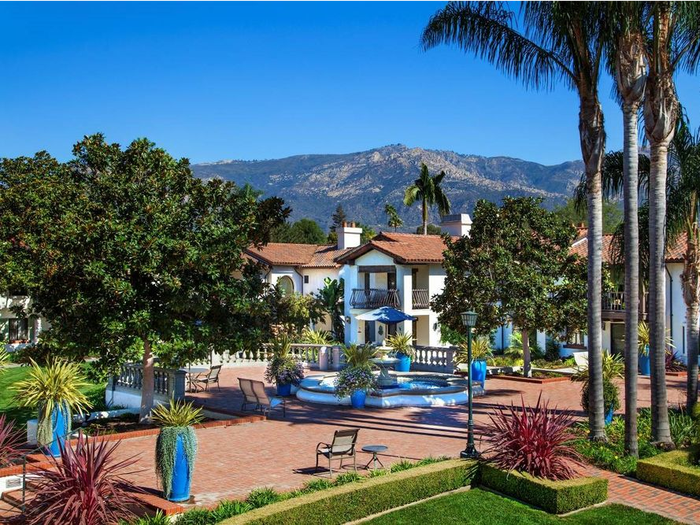
Located in regions like Arizona and Southern California, desert resorts offer dry winter warmth, extensive hydrotherapy pools, and specialized longevity programming.
Primary Advantages
-
Features flat property grounds, warm year-round sunshine, and comprehensive spa facilities focused on joint mobility and relaxation.
-
Centralized dining venues and extensive indoor-outdoor living spaces provide effortless social engagement.
Operational Limitations
-
Intense summer heat limits outdoor daytime activities, while arid air requires constant hydration management.
Coastal Beach Retreats
Coastal properties along Florida, South Carolina, and California offer ocean views, sea air, flat beach boardwalks, and fresh seafood dining.
Primary Advantages
-
Provides calming ocean vistas, level walking promenades, and gentle sea breezes ideal for outdoor relaxation.
-
Abundant local cultural venues and fresh culinary choices enrich the overall vacation experience.
Operational Limitations
-
High humidity levels in summer can strain respiratory comfort, while soft sand beach areas impede wheelchair and walker mobility.
Detailed Real-World Scenarios
Analyzing practical scenarios illustrates how property layouts, climate conditions, and service structures impact vacation comfort for mature guests.
Scenario A: A Two-Week Winter Stay in Scottsdale, Arizona
A retired couple plans a fourteen-day winter getaway to a desert wellness resort to escape Midwest winter cold.
-
Operational Need: Securing warm sunshine and hydrotherapy treatments without suffering heat exhaustion or long walking strain.
-
Critical Risk: Reserving a distant casita unit on a sprawling property forces long walks across hot asphalt walkways.
-
Strategic Choice: Requesting a ground-floor suite adjacent to the main clubhouse and utilizing on-demand electric shuttle service.
Scenario B: A Summer Cultural Retreat in Northern California
A guest recovering from knee surgery books a coastal resort offering art classes, wine tastings, and ocean boardwalk walks.
Operational Assessment
-
Cool coastal temperatures reduce joint inflammation, but hilly coastal terrain presents potential trip hazards.
-
Accessing ocean viewpoints requires step-free paved ramps rather than steep sand dunes or staircases.
Strategic Solution
-
Selecting a property featuring continuous elevator access to oceanview terraces and reserving private ground transportation.
-
Booking low-impact aquatic physical therapy sessions at the resort wellness center to support ongoing rehabilitation.
Planning, Cost, and Resource Dynamics
Budgeting for luxury resort stays requires analyzing room rates, resort fees, wellness treatment packages, fine dining costs, and transportation expenses.
Estimated Costs for Premier Senior Resorts
| Expense Category | Mid-Tier Luxury Resort (7 Days) | High-End Wellness Retreat (7 Days) | Cost Optimization Strategy |
| Suite Lodging | $2,800 – $4,500 | $6,000 – $12,000 | Book shoulder season dates for lower rates |
| Wellness & Spa | $600 – $1,200 | $1,800 – $3,500 | Select bundled hydrotherapy packages |
| Dining & Drinks | $1,000 – $1,800 | $2,000 – $3,800 | Choose inclusive full-board dining plans |
| Local Transit | $300 – $600 | $700 – $1,500 | Reserve private resort airport transfers |
Optimizing Personal Comfort and Safety
Reserving suites near main elevators, requesting extra room seating, and confirming walk-in shower configurations ensures high physical comfort.
Finding top options among the best senior resorts in the us requires vetting guest room hardware and mobility access well before arrival.
Tools, Strategies, and Support Systems
Utilizing resort mobility maps, specialized luxury travel advisors, and medical transport services ensures seamless vacation planning.
Recommended Resort Selection Tools
-
Accessibility Mapping Applications: Digital tools detailing step-free routes, slope gradients, and rest locations across large resort grounds.
-
Specialized Luxury Travel Advisors: Professional planners who audit properties for physical access, quiet room placements, and service quality.
-
Medical Equipment Rental Agencies: Services that deliver mobility scooters, lift chairs, and oxygen concentrators directly to resort suites.
-
Resort Concierge Medical Networks: On-demand physician networks providing in-room medical consultations for traveling guests.
Risk Landscape and Failure Modes
Extended resort stays involve operational risks that can lead to physical injury, dietary illness, or severe physical exhaustion.
Physical fatigue represents a primary risk on large properties. Walking excessive distances across sprawling grounds causes joint inflammation, making regular golf cart shuttles essential.
Environmental strain from heat or high altitude creates severe wellness disruptions. Selecting moderate climates and maintaining proper hydration prevents vacation disruptions.
Governance, Maintenance, and Long-Term Adaptation
Adapting vacation destinations, climate choices, and property types as physical requirements change ensures continued travel enjoyment throughout retirement.
Strategic Travel Evolution Tiers
Evaluating physical comfort after each resort stay allows mature travelers to refine property criteria and service expectations for future trips.
Measurement, Tracking, and Evaluation
Tracking travel expenses, physical energy levels, and property service scores helps guests select ideal resort destinations for future vacations.
Essential Evaluation Criteria
-
Daily Walking Effort Score: Rating property ease of access to ensure daily walking remains comfortable and enjoyable.
-
Service Responsiveness Index: Measuring concierge speed, shuttle availability, and dining flexibility during the stay.
-
Restorative Sleep Score: Tracking room quietness, bed comfort, and climate control effectiveness across vacation nights.
Common Misconceptions and Oversimplifications
Clearing up common hospitality myths enables mature travelers to choose resorts that deliver genuine luxury, physical comfort, and peace of mind.
-
Myth: All five-star luxury resorts offer excellent accessibility features.
Fact: Historic luxury properties often feature architectural barriers like grand staircases, narrow doors, and cobblestone courtyards.
-
Myth: All-inclusive properties provide identical food and service quality.
Fact: Culinary customization and dietary accommodations vary greatly; premier wellness properties offer superior nutrition options.
-
Myth: Warm desert resorts represent the ideal environment for all mature guests.
Fact: Extreme desert heat during late spring and summer causes severe physical strain for guests sensitive to temperature spikes.
Ethical, Practical, or Contextual Considerations
Balancing personal independence with appropriate mobility assistance represents an important consideration during resort stays. Accepting golf cart shuttles, utilizing room grab bars, and requesting dietary adjustments enhances safety without compromising vacation luxury.
Prioritizing physical comfort, selecting properties with transparent accessibility data, and booking suites near main facilities protects health while ensuring a memorable retreat.
Conclusion
Choosing premier resorts across North America relies on evaluating architectural accessibility, service responsiveness, environmental comfort, and clinical proximity. Utilizing property mobility maps, selecting favorable seasonal weather windows, and reserving ground-floor suites allows mature guests to enjoy luxury travel with complete peace of mind.
With thoughtful research and clear physical priorities, luxury resort stays provide deep restoration, active recreation, and lasting memories throughout retirement.